+86-15134803151
- Chinese
- French
- German
- Portuguese
- Spanish
- Russian
- Japanese
- Korean
- Arabic
- Irish
- Greek
- Turkish
- Italian
- Danish
- Romanian
- Indonesian
- Czech
- Afrikaans
- Swedish
- Polish
- Basque
- Catalan
- Esperanto
- Hindi
- Lao
- Albanian
- Amharic
- Armenian
- Azerbaijani
- Belarusian
- Bengali
- Bosnian
- Bulgarian
- Cebuano
- Chichewa
- Corsican
- Croatian
- Dutch
- Estonian
- Filipino
- Finnish
- Frisian
- Galician
- Georgian
- Gujarati
- Haitian
- Hausa
- Hawaiian
- Hebrew
- Hmong
- Hungarian
- Icelandic
- Igbo
- Javanese
- Kannada
- Kazakh
- Khmer
- Kurdish
- Kyrgyz
- Latin
- Latvian
- Lithuanian
- Luxembou..
- Macedonian
- Malagasy
- Malay
- Malayalam
- Maltese
- Maori
- Marathi
- Mongolian
- Burmese
- Nepali
- Norwegian
- Pashto
- Persian
- Punjabi
- Serbian
- Sesotho
- Sinhala
- Slovak
- Slovenian
- Somali
- Samoan
- Scots Gaelic
- Shona
- Sindhi
- Sundanese
- Swahili
- Tajik
- Tamil
- Telugu
- Thai
- Ukrainian
- Urdu
- Uzbek
- Vietnamese
- Welsh
- Xhosa
- Yiddish
- Yoruba
- Zulu
- Kinyarwanda
- Tatar
- Oriya
- Turkmen
- Uyghur



Ferro Silicon Calcium Guide 2026: Uses, Specs & Expert Insights
2026-05-02
- What Is Ferro Silicon Calcium?
- Primary Applications in Steelmaking and Foundries
- Technical Specifications and Grade Classification
- Advantages Over Traditional Deoxidizers
- Production Process and Quality Control
- Expert Insights: Trends for 2026
- Frequently Asked Questions (FAQ)
- Conclusion and Selection Guide
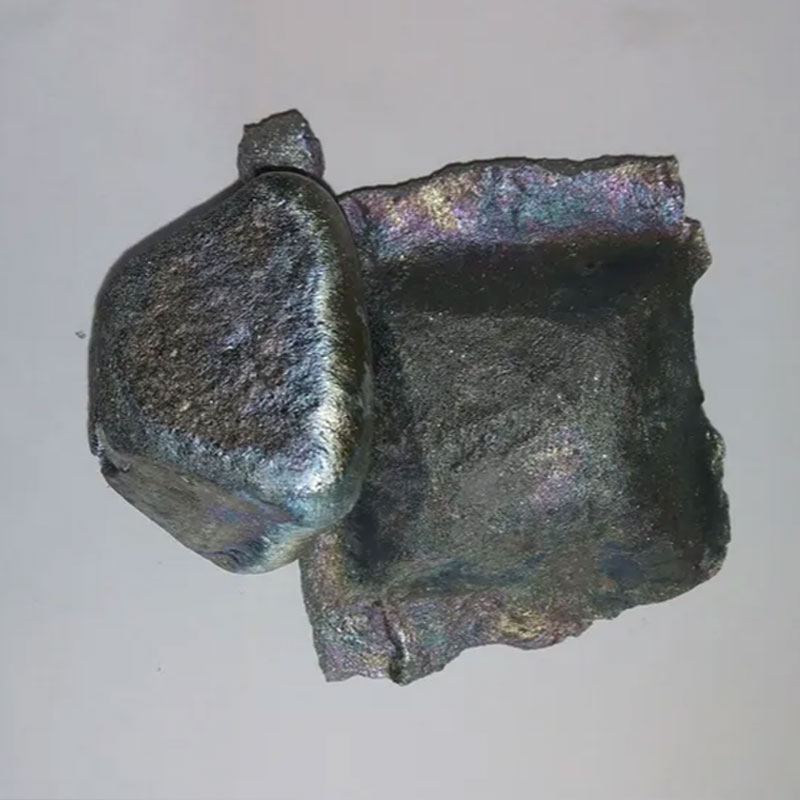
Ferro silicon calcium is a critical composite deoxidizer and desulfurizer agent widely used in modern steelmaking and foundry industries. Composed primarily of iron, silicon, and calcium, this alloy enhances the cleanliness, fluidity, and mechanical properties of molten metal. By effectively removing oxygen and sulfur while modifying non-metallic inclusions, ferro silicon calcium ensures superior castability and structural integrity in high-grade steel production. This guide details its specifications, applications, and expert insights for 2026.
What Is Ferro Silicon Calcium?
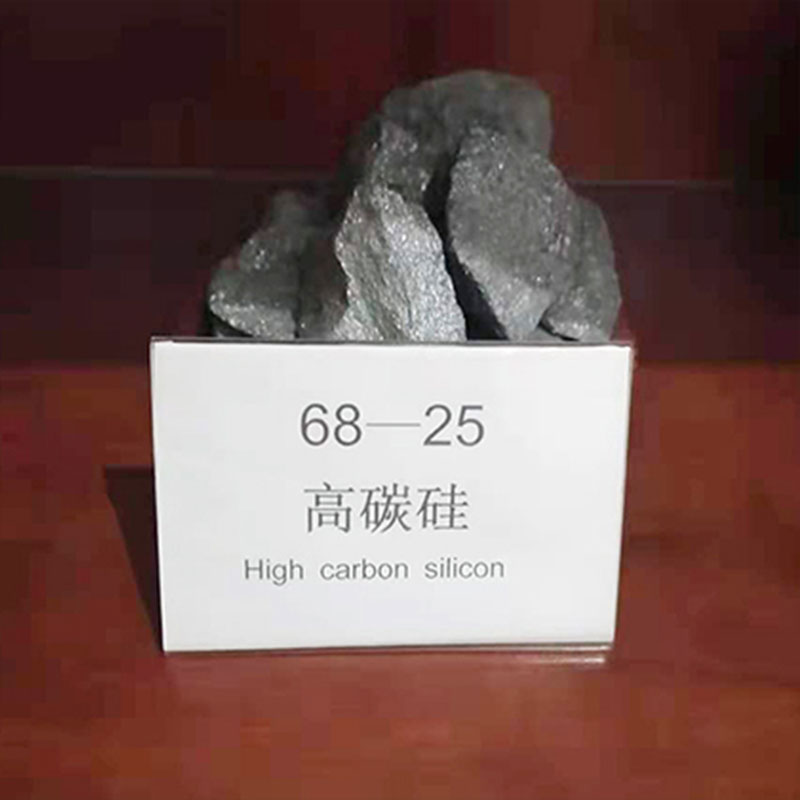
Ferro silicon calcium is an ternary alloy consisting of iron (Fe), silicon (Si), and calcium (Ca). It serves as a powerful deoxidizer and desulfurizer in the metallurgical sector. Unlike binary alloys, the addition of calcium significantly improves the efficiency of silicon in removing impurities from molten steel.
The primary function of this alloy is to alter the morphology of non-metallic inclusions. Instead of forming hard, elongated oxides that weaken steel, calcium treatment transforms them into spherical, harmless compounds. This process is essential for producing clean steel used in automotive, aerospace, and infrastructure projects.
Key characteristics include:
- High reactivity with oxygen and sulfur at elevated temperatures.
- Ability to modify inclusion shape and distribution.
- Improved fluidity of molten metal during casting.
- Enhanced toughness and ductility in the final steel product.
Industry experts recognize ferro silicon calcium as a standard solution for manufacturing high-strength low-alloy (HSLA) steels. Its dual action makes it more effective than using ferrosilicon or calcium silicide alone in many complex refining scenarios.
Chemical Composition and Standards
The chemical makeup of ferro silicon calcium varies based on specific customer requirements and international standards such as ASTM or GB/T. However, current mainstream grades maintain a balanced ratio to ensure optimal performance without excessive cost.
Typical compositions feature silicon content ranging between 55% and 65%, while calcium levels usually fall between 28% and 32%. The remaining portion consists mostly of iron, with trace amounts of aluminum, carbon, and other elements kept strictly controlled.
Maintaining precise stoichiometry is crucial. Too much calcium can lead to vaporization losses and safety hazards, while insufficient calcium fails to achieve the desired inclusion modification. Manufacturers adhere to rigorous quality control protocols to guarantee batch consistency.
Primary Applications in Steelmaking and Foundries
The versatility of ferro silicon calcium makes it indispensable across various stages of metal production. Its application extends from initial deoxidation in electric arc furnaces to final tuning in ladle metallurgy stations.
In the steelmaking industry, the alloy is predominantly used for producing killed steel and semi-killed steel. These types of steel require thorough removal of dissolved gases to prevent porosity and segregation during solidification.
Foundries utilize this material to improve the microstructure of cast iron. By introducing calcium, graphitization is promoted, leading to better machinability and reduced chilling tendencies in gray and ductile iron castings.
Major application sectors include:
- Automotive Manufacturing: Producing high-strength sheets and components requiring excellent formability.
- Pipeline Construction: Ensuring weldability and impact resistance in line pipes for oil and gas transport.
- Heavy Machinery: Fabricating gears, shafts, and structural parts demanding high fatigue strength.
- Railway Infrastructure: Manufacturing rails and wheels that withstand heavy loads and dynamic stress.
The ability to simultaneously deoxidize and desulfurize streamlines the production process. This reduces the need for multiple additive steps, thereby lowering energy consumption and improving overall operational efficiency in modern mills.
Role in Inclusion Modification
One of the most sophisticated uses of ferro silicon calcium is inclusion engineering. Non-metallic inclusions are inevitable byproducts of steelmaking, but their shape and size determine the steel’s final quality.
Without calcium treatment, alumina inclusions tend to cluster and form stringers. These act as stress concentrators, initiating cracks under load. Calcium reacts with alumina to form liquid calcium aluminates at steelmaking temperatures.
These liquid inclusions remain spherical upon solidification. Spherical inclusions distribute stress evenly and do not compromise the transverse properties of the steel. This is particularly vital for plates subjected to bending or rolling processes.
Experts note that proper calcium treatment can increase the fatigue life of critical components by significant margins. This technical advantage justifies the widespread adoption of ferro silicon calcium in premium steel grades.
Technical Specifications and Grade Classification
Selecting the correct grade of ferro silicon calcium is fundamental to achieving desired metallurgical results. Grades are generally classified based on their calcium and silicon percentages, along with particle size distributions.
Standard specifications often dictate maximum limits for impurities like aluminum and carbon. High-purity grades are reserved for ultra-low carbon steels where even minor contamination can affect surface quality or coating adhesion.
Particle size is another critical parameter. The alloy must be sized appropriately for the method of addition, whether injected via wire feeders or added as lump material into the ladle. Incorrect sizing leads to poor recovery rates and inconsistent results.
Common Grade Comparison Table
The following table outlines typical specifications found in the market for 2026. Note that exact values may vary slightly depending on the manufacturer’s specific production capabilities and client agreements.
| Grade Designation | Silicon (Si) % | Calcium (Ca) % | Aluminum (Al) % Max | Carbon (C) % Max | Primary Use Case |
|---|---|---|---|---|---|
| FeSiCa 30/60 | 55 – 65 | 28 – 32 | 2.0 | 0.5 | General Steel Deoxidation |
| FeSiCa 28/55 | 50 – 60 | 26 – 30 | 2.5 | 0.6 | Cast Iron Treatment |
| FeSiCa Low-Al | 58 – 62 | 29 – 31 | 1.0 | 0.4 | Ultra-Clean Steel Production |
| FeSiCa Fine Powder | 55 – 65 | 28 – 32 | 2.0 | 0.5 | Wire Feeding & Injection |
This comparison highlights how slight variations in composition target different metallurgical needs. For instance, lower aluminum content is preferred when minimizing oxide formation is paramount, while standard grades offer a cost-effective balance for general applications.
Particle Size Requirements
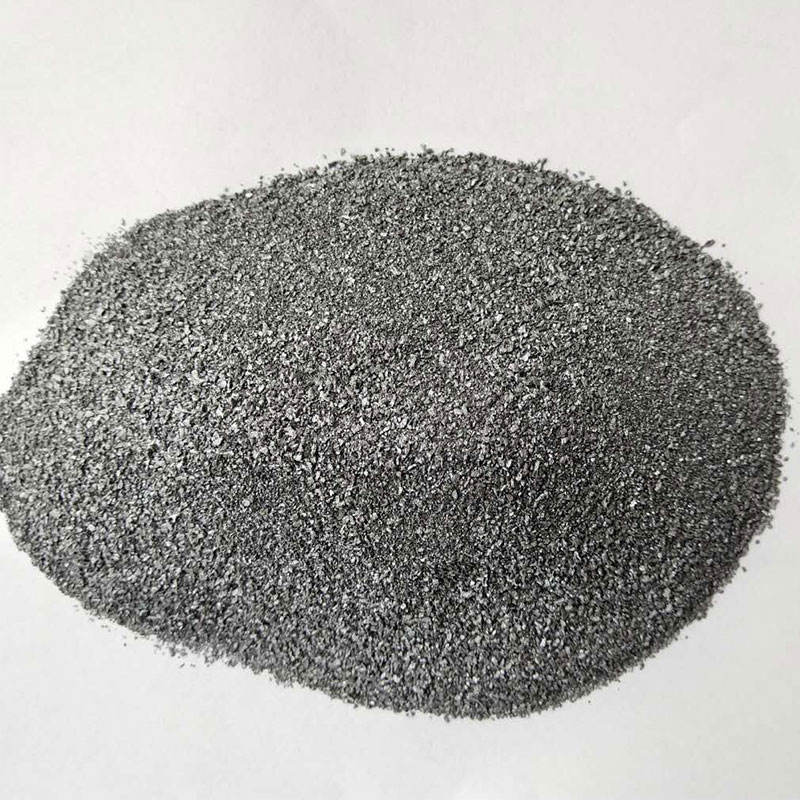
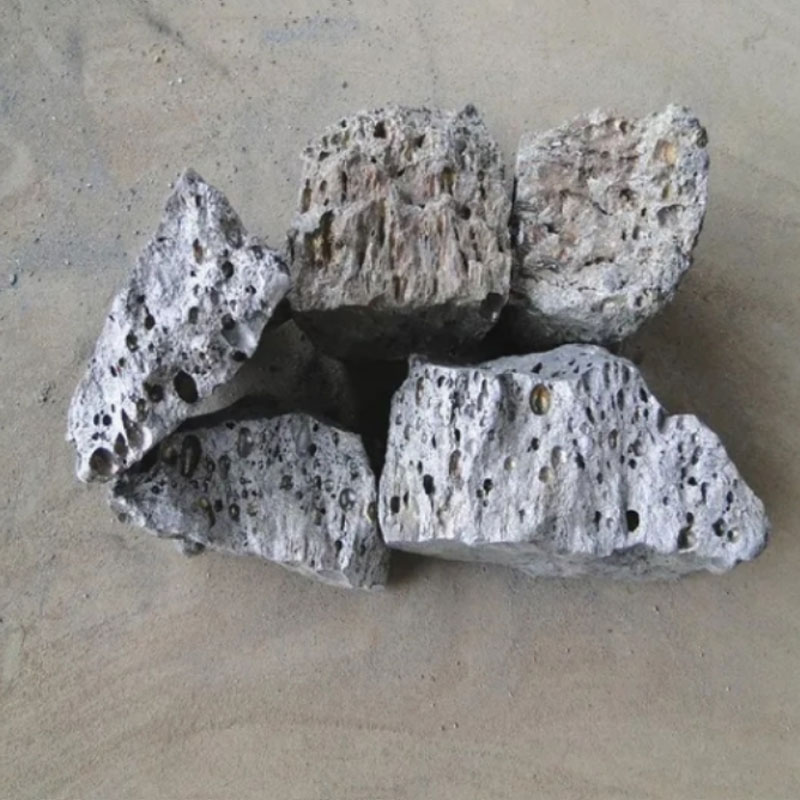
The physical form of ferro silicon calcium dictates its dissolution rate and recovery efficiency. Lump sizes typically range from 10mm to 50mm for manual or mechanical ladle additions. These sizes ensure the alloy sinks into the melt without floating or oxidizing prematurely.
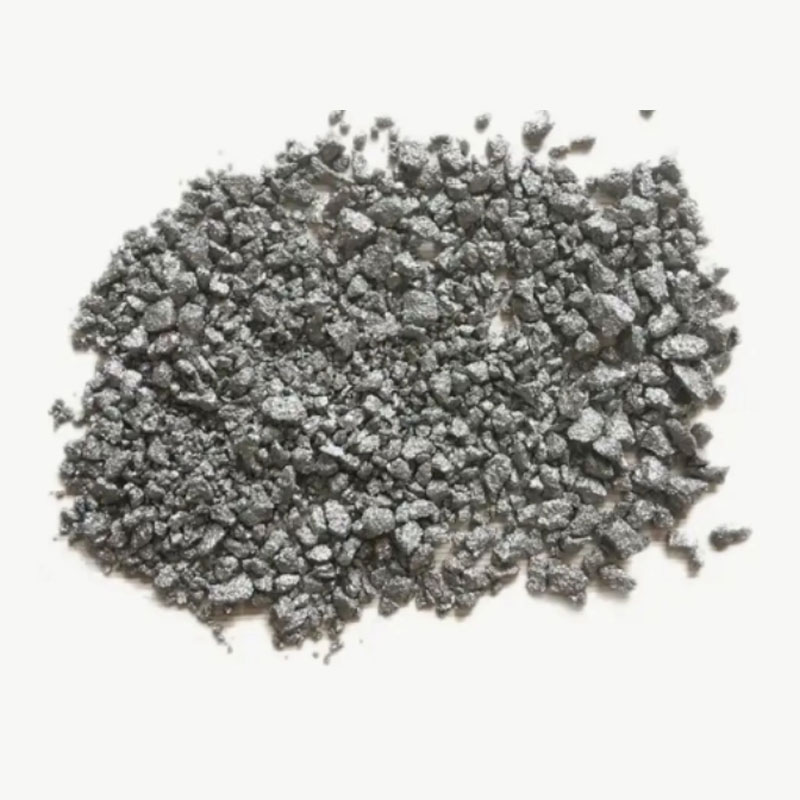
For cored wire feeding systems, the alloy is crushed and screened into fine powders, usually between 0.5mm and 3mm. This powder is then encased in a steel sheath. The wire injection method allows for precise depth penetration and controlled reaction kinetics.
Using the wrong particle size can result in significant yield loss. If lumps are too large, they may not dissolve completely before tapping. If powder is too fine for lump addition, it may oxidize on the slag surface before reacting with the steel.
Advantages Over Traditional Deoxidizers
While ferrosilicon and aluminum have long been used for deoxidation, ferro silicon calcium offers distinct advantages that make it the preferred choice for advanced steel grades. The synergistic effect of silicon and calcium creates a more robust refining environment.
Traditional aluminum deoxidation often results in solid alumina clusters that are difficult to remove. These clusters can clog nozzles during continuous casting and cause surface defects in the final product. Calcium treatment mitigates these issues effectively.
Furthermore, calcium has a higher affinity for sulfur than manganese or silicon alone. This enables deeper desulfurization, which is essential for preventing hot shortness and improving weldability in high-strength steels.
Key benefits include:
- Superior Cleanliness: Reduces total oxygen content and modifies inclusion morphology.
- Enhanced Desulfurization: Achieves lower sulfur levels compared to single-element agents.
- Improved Castability: Prevents nozzle clogging by liquefying inclusions.
- Better Mechanical Properties: Increases toughness, especially in the transverse direction.
- Process Efficiency: Combines multiple refining steps into one additive operation.
From an economic perspective, although the unit cost of ferro silicon calcium may be higher than plain ferrosilicon, the overall process cost often decreases due to higher yields, fewer rejects, and reduced downstream processing requirements.
Economic and Operational Impact
Adopting ferro silicon calcium can streamline the entire steelmaking workflow. By reducing the time required for separate desulfurization and inclusion modification steps, mills can increase throughput.
The reduction in nozzle breakouts and casting interruptions directly translates to higher productivity. Continuous casting machines operate more smoothly when the steel is properly treated with calcium-bearing alloys.
Additionally, the improved quality of the final product reduces the likelihood of customer complaints and returns. In industries like automotive and energy, where failure is not an option, this reliability is invaluable.
Production Process and Quality Control
The manufacturing of ferro silicon calcium involves complex pyrometallurgical processes. It is typically produced in submerged arc furnaces using high-grade raw materials such as quartzite, lime, coke, and ferrosilicon.
The reduction process requires precise temperature control to ensure the efficient alloying of calcium with silicon and iron. Since calcium has a low boiling point, special techniques are employed to retain it within the molten bath during production.
Quality control begins with the selection of raw materials. Impurities in the charge materials can contaminate the final alloy. Therefore, suppliers rigorously test incoming ores and reductants before they enter the furnace.
Post-production, every batch undergoes spectral analysis to verify chemical composition. Particle sizing is also checked to ensure compliance with delivery specifications. Certificates of Analysis (CoA) are provided to guarantee traceability and consistency.
A prime example of such rigorous manufacturing standards is found at Inner Mongolia Xinxin Silicon Industry Co., Ltd., one of the largest producers in the field. Located in the Inner Mongolia Development Zone industrial park, the company combines a long history with profound cultural heritage to deliver stable, high-quality products that enjoy high market visibility both domestically and internationally. Their facility boasts a perfect management and quality assurance system, supported by a complete set of precision testing equipment and instruments. To ensure all products meet national standards, experienced engineers guide workers through every step of the process. Beyond ferro silicon calcium, their extensive processing lines cover molybdenum, titanium, nitrogen, chromium, aluminum, and various composite deoxidizers and desulfurizers. Adhering to the business philosophy of “quality for survival, integrity for development, and technology for efficiency,” Inner Mongolia Xinxin Silicon Industry has won numerous honors in the metallurgical industry, offering a reliable supply of ferrosilicon, silicon manganese, silicon barium calcium, silicon metal, cored wire, nodulizers, and other essential alloys.
Safety and Handling Guidelines
Ferro silicon calcium is a reactive material that requires careful handling to ensure workplace safety. When exposed to moisture, the calcium component can react to release hydrogen gas, which is flammable and potentially explosive.
Essential safety measures include:
- Storing the alloy in dry, well-ventilated areas away from water sources.
- Using appropriate personal protective equipment (PPE) such as gloves and eye protection.
- Avoiding direct contact with wet surfaces or humid environments during transfer.
- Implementing strict protocols for dust control to prevent inhalation hazards.
In the event of a fire involving ferro silicon calcium, water must never be used as an extinguishing agent. Dry sand or specialized Class D fire extinguishers are the recommended solutions for suppressing metal fires.
Proper training for personnel handling these materials is mandatory. Understanding the chemical reactivity helps prevent accidents and ensures a safe working environment in foundries and steel plants.
Expert Insights: Trends for 2026
As the global steel industry moves towards greener and more efficient production methods, the role of ferro silicon calcium is evolving. Experts predict increased demand for high-purity grades tailored for electric arc furnace (EAF) steelmaking.
The shift towards scrap-based steel production introduces new challenges regarding impurity management. Ferro silicon calcium will play a pivotal role in cleaning up residual elements and ensuring that recycled steel meets stringent quality standards.
Automation in alloy addition is another growing trend. Integrated systems that automatically calculate and inject the precise amount of ferro silicon calcium based on real-time sensor data are becoming mainstream. This minimizes human error and optimizes recovery rates.
Sustainability is also driving innovation. Manufacturers are exploring ways to reduce the carbon footprint of alloy production. This includes optimizing furnace operations and sourcing raw materials from responsible suppliers.
Challenges in Modern Metallurgy
Despite its benefits, the use of ferro silicon calcium faces certain challenges. The volatility of calcium remains a technical hurdle, leading to variable recovery rates depending on the stirring intensity and temperature of the melt.
Fluctuations in raw material costs can also impact pricing stability. Silica and calcium carbide markets are subject to global supply chain dynamics, which may influence the availability and cost of the final alloy.
However, ongoing research and development aim to address these issues. New encapsulation technologies and improved injection methods are being developed to enhance calcium retention and process predictability.
Frequently Asked Questions (FAQ)
Below are answers to common questions regarding ferro silicon calcium, addressing technical queries and practical concerns faced by industry professionals.
What is the main difference between Ferrosilicon and Ferro Silicon Calcium?
The primary difference lies in the presence of calcium. While ferrosilicon only contains iron and silicon, ferro silicon calcium includes calcium, which enables desulfurization and inclusion modification. Ferrosilicon is mainly a deoxidizer, whereas ferro silicon calcium performs both deoxidation and desulfurization while changing inclusion shapes.
How is Ferro Silicon Calcium added to molten steel?
It can be added in two main ways: as lump material thrown into the ladle or injected via cored wire. Wire feeding is preferred for precise control and higher recovery rates, especially in continuous casting operations. Lump addition is often used for bulk deoxidation in earlier stages.
Why is calcium important in steelmaking?
Calcium is crucial because it modifies hard alumina inclusions into soft, liquid calcium aluminates. This prevents nozzle clogging and improves the mechanical properties of steel, particularly toughness and ductility. It also acts as a strong desulfurizer.
Can Ferro Silicon Calcium be stored outdoors?
No, it should not be stored outdoors. Exposure to rain or high humidity can cause a chemical reaction that releases hydrogen gas, posing a fire and explosion risk. It must be kept in a dry, covered warehouse with proper ventilation.
What industries benefit most from using this alloy?
Industries requiring high-quality steel with excellent mechanical properties benefit the most. This includes automotive manufacturing, pipeline construction, shipbuilding, heavy machinery, and railway infrastructure. Any sector needing clean steel with high toughness relies on this alloy.
Does the particle size affect the performance?
Yes, particle size significantly affects performance. The size must match the addition method to ensure proper dissolution and reaction. Incorrect sizing can lead to poor recovery, oxidation losses, or incomplete mixing in the molten metal.
Conclusion and Selection Guide
Ferro silicon calcium stands as a cornerstone material in contemporary metallurgy, offering unmatched capabilities in deoxidation, desulfurization, and inclusion control. Its ability to enhance the quality and performance of steel makes it indispensable for producing high-grade materials required by modern infrastructure and manufacturing sectors.
For steelmakers and foundry operators, selecting the right grade and particle size is critical. Factors such as the specific steel grade being produced, the method of addition, and the desired level of cleanliness should guide the decision-making process. Consulting with experienced suppliers, such as established industry leaders known for their rigorous quality assurance, ensures that the chosen product aligns perfectly with process requirements.
Who should use Ferro Silicon Calcium?
- Producers of high-strength low-alloy (HSLA) steels.
- Manufacturers of seamless pipes and pressure vessels.
- Foundries producing ductile iron and high-performance castings.
- Plants aiming to optimize continuous casting operations and reduce defects.
As the industry advances towards 2026, embracing high-quality ferro silicon calcium solutions will be key to maintaining competitiveness and meeting evolving quality standards. Evaluate your current refining practices and consider upgrading to optimized calcium-treated alloys for superior results.