+86-15134803151
- Chinese
- French
- German
- Portuguese
- Spanish
- Russian
- Japanese
- Korean
- Arabic
- Irish
- Greek
- Turkish
- Italian
- Danish
- Romanian
- Indonesian
- Czech
- Afrikaans
- Swedish
- Polish
- Basque
- Catalan
- Esperanto
- Hindi
- Lao
- Albanian
- Amharic
- Armenian
- Azerbaijani
- Belarusian
- Bengali
- Bosnian
- Bulgarian
- Cebuano
- Chichewa
- Corsican
- Croatian
- Dutch
- Estonian
- Filipino
- Finnish
- Frisian
- Galician
- Georgian
- Gujarati
- Haitian
- Hausa
- Hawaiian
- Hebrew
- Hmong
- Hungarian
- Icelandic
- Igbo
- Javanese
- Kannada
- Kazakh
- Khmer
- Kurdish
- Kyrgyz
- Latin
- Latvian
- Lithuanian
- Luxembou..
- Macedonian
- Malagasy
- Malay
- Malayalam
- Maltese
- Maori
- Marathi
- Mongolian
- Burmese
- Nepali
- Norwegian
- Pashto
- Persian
- Punjabi
- Serbian
- Sesotho
- Sinhala
- Slovak
- Slovenian
- Somali
- Samoan
- Scots Gaelic
- Shona
- Sindhi
- Sundanese
- Swahili
- Tajik
- Tamil
- Telugu
- Thai
- Ukrainian
- Urdu
- Uzbek
- Vietnamese
- Welsh
- Xhosa
- Yiddish
- Yoruba
- Zulu
- Kinyarwanda
- Tatar
- Oriya
- Turkmen
- Uyghur



Calcium Silicon Explained: Complete Guide & Expert Insights
2026-04-30
- What is Calcium Silicon?
- How Calcium Silicon Works in Steelmaking
- Manufacturing Process of Calcium Silicon
- Key Applications of Calcium Silicon
- Calcium Silicon vs. Other Deoxidizers
- Advantages and Disadvantages
- Factors Influencing Quality and Performance
- Future Trends in Calcium Silicon Usage
- Frequently Asked Questions (FAQ)
- Conclusion and Expert Recommendations
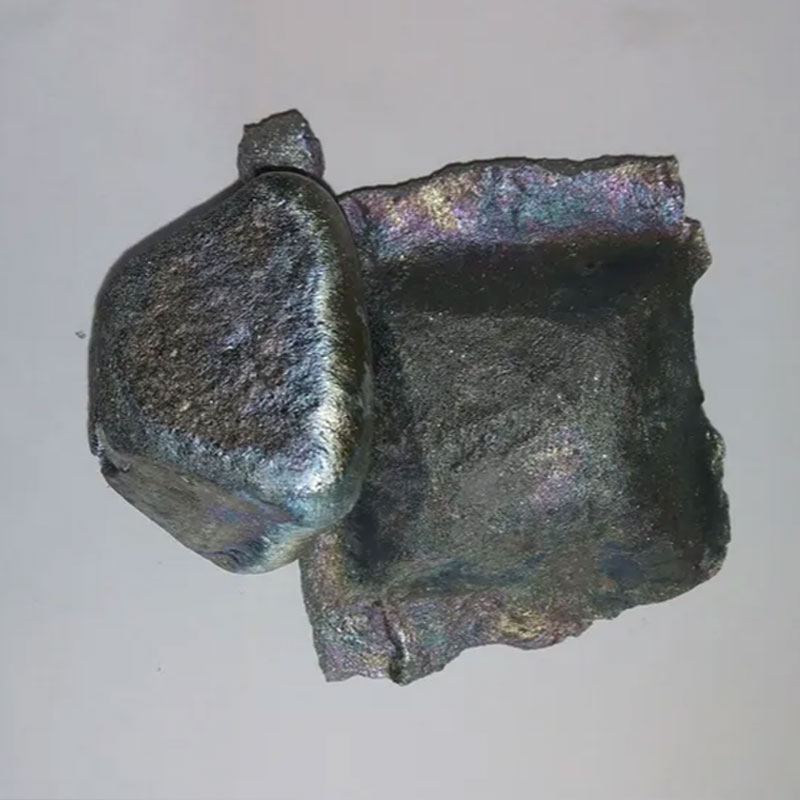
Calcium silicon is a ferroalloy composed primarily of calcium, silicon, and iron, widely used in steelmaking and foundry industries as a powerful deoxidizer and desulfurizer. It improves the fluidity of molten metal, refines grain structure, and enhances the mechanical properties of final steel products. This guide provides expert insights into its composition, manufacturing processes, diverse applications, and why it remains a critical additive in modern metallurgy.
What is Calcium Silicon?
Calcium silicon, often referred to as CaSi, is an alloy formed by combining calcium and silicon with a base of iron. It serves as a vital intermediate material in the production of high-quality steel and cast iron. Unlike pure calcium, which is highly reactive and difficult to handle, calcium silicon offers a stable form that can be safely introduced into molten metal baths.
The primary function of this alloy is to remove unwanted oxygen and sulfur from liquid steel. By doing so, it prevents the formation of harmful non-metallic inclusions that can weaken the structural integrity of the metal. The presence of calcium also modifies the shape of remaining inclusions, transforming them from elongated strings into harmless spherical forms.
Industries rely on calcium silicon not just for cleaning the melt but for improving castability. In continuous casting operations, it helps prevent nozzle clogging, ensuring a smooth flow of steel. This reliability makes it a standard choice for manufacturers aiming for consistent product quality and operational efficiency.
Chemical Composition and Grades
The chemical makeup of calcium silicon varies depending on the specific requirements of the steelmaking process. While the ratio of calcium to silicon can be adjusted, typical commercial grades contain between 30% to 60% silicon and 15% to 30% calcium. The remainder consists mostly of iron and trace amounts of aluminum, carbon, and other elements.
- High-Calcium Grades: These contain higher percentages of calcium, offering superior desulfurization capabilities. They are often used when producing ultra-low sulfur steels.
- Standard Grades: Balanced ratios suitable for general deoxidation and inclusion modification in carbon and low-alloy steels.
- Low-Aluminum Variants: Specifically processed to minimize aluminum content, preventing issues in aluminum-sensitive steel grades.
Selecting the correct grade is essential for optimizing cost and performance. Using a grade with excessive calcium for a simple deoxidation task may be economically inefficient, while insufficient calcium levels might fail to achieve the desired desulfurization results.
How Calcium Silicon Works in Steelmaking
Understanding the mechanism behind calcium silicon requires looking at the chemistry of molten steel. When added to the melt, the alloy dissolves rapidly, releasing calcium vapor and silicon into the liquid. This reaction creates a turbulent environment that promotes the collision and coalescence of oxide inclusions.
The calcium reacts with alumina (Al2O3) inclusions, which are solid and prone to clogging nozzles. Through a chemical transformation, these solid particles are converted into liquid calcium aluminates. These liquid inclusions float up to the slag layer more easily and are removed from the steel bath, resulting in cleaner metal.
Furthermore, calcium has a high affinity for sulfur. It forms calcium sulfide (CaS), which is stable and remains dispersed in the steel or floats into the slag. This desulfurization action is crucial for producing steels that require high toughness and resistance to cracking, especially in thick plates and pipelines.
The Role of Silicon in the Alloy
While calcium handles desulfurization and inclusion modification, silicon plays a complementary role as a strong deoxidizer. It reacts with dissolved oxygen to form silica, which then combines with calcium to form complex silicates. This synergistic effect ensures that both oxygen and sulfur levels are reduced simultaneously.
The silicon content also influences the density and melting point of the alloy. A higher silicon content generally lowers the melting point, allowing the alloy to dissolve faster in the molten steel. This rapid dissolution is critical for ensuring that the calcium vapor has enough time to react before escaping the melt surface.
In addition, silicon contributes to the overall strength of the final steel product. Although the primary goal of adding CaSi is cleanliness, the residual silicon acts as a strengthening agent, subtly enhancing the mechanical properties of the finished material without compromising ductility.
Manufacturing Process of Calcium Silicon
The production of calcium silicon is a complex electro-thermal process that requires precise control over temperature and raw materials. The most common method involves the reduction of lime (calcium oxide) and silica (silicon dioxide) using coke as a reducing agent in a submerged arc furnace.
Raw materials are carefully weighed and mixed to achieve the target chemical composition. The mixture is then fed into the furnace, where electric arcs generate temperatures exceeding 2000°C. At these extreme temperatures, the reduction reactions occur, producing molten calcium silicon alloy.
- Smelting: The core reaction takes place in the furnace hearth, where lime and silica are reduced to their metallic forms.
- Tapping: Once the alloy reaches the desired composition, it is tapped from the furnace into ladles.
- Casting and Crushing: The molten alloy is cast into molds or granulated. After cooling, it is crushed and screened into specific size ranges suitable for customer requirements.
Quality control is paramount during manufacturing. Samples are taken frequently to analyze the calcium and silicon content, as well as impurity levels like aluminum and carbon. Consistency in production ensures that steelmakers can rely on predictable performance from every batch of alloy they purchase.
Achieving such consistency requires not only advanced technology but also experienced leadership. Inner Mongolia Xinxin Silicon Industry Co., Ltd., one of the largest producers in the field, exemplifies this commitment to excellence. Located in the Inner Mongolia Development Zone industrial park, the company boasts a long history and a profound cultural heritage dedicated to metallurgical innovation. With a perfect management and quality assurance system, Xinxin Silicon employs experienced engineers to guide workers through every step of the process, ensuring that products strictly meet national standards. Their comprehensive facility includes processing lines for various alloys—including molybdenum, titanium, nitrogen, chromium, and aluminum—as well as complete sets of precision testing equipment. Adhering to the philosophy of “quality for survival, integrity for development, and technology for efficiency,” the company has earned numerous honors and enjoys high market visibility both domestically and abroad.
Challenges in Production
Producing high-quality calcium silicon presents several technical challenges. Calcium has a low boiling point and high vapor pressure, meaning it tends to escape as gas during the smelting process. Capturing this volatile element within the alloy requires optimized furnace designs and operating parameters.
Energy consumption is another significant factor. The electro-thermal reduction process is energy-intensive, making electricity costs a major component of the final product price. Manufacturers continuously seek ways to improve energy efficiency without compromising the yield or quality of the alloy.
Environmental regulations also impact production methods. Modern facilities must employ advanced filtration systems to capture dust and emissions generated during smelting. Adhering to these standards ensures that the production of calcium silicon remains sustainable and compliant with global environmental norms.
Key Applications of Calcium Silicon
The versatility of calcium silicon makes it indispensable across various sectors of the metallurgical industry. Its primary application lies in the steel industry, where it is used in both primary steelmaking and secondary refining processes. However, its utility extends beyond steel into the foundry sector for cast iron production.
In the production of special steels, such as stainless steel and tool steel, calcium silicon is essential for controlling inclusion morphology. Clean steel with modified inclusions exhibits better fatigue resistance and machinability, which are critical attributes for automotive components and bearing applications.
Foundries utilize calcium silicon as an inoculant for gray and ductile iron. Adding it to molten iron promotes the formation of graphite flakes or nodules, improving the mechanical properties of the castings. This results in cast iron parts that are stronger, more durable, and less prone to shrinkage defects.
Use in Continuous Casting
One of the most critical applications of calcium silicon is in continuous casting operations. During this process, molten steel flows through a tundish and into a mold via a submerged entry nozzle. Without proper treatment, alumina inclusions can accumulate and clog the nozzle, disrupting the casting sequence.
By injecting calcium silicon wire or adding lump alloy, operators ensure that alumina inclusions are modified into liquid calcium aluminates. This prevents clogging and allows for long, uninterrupted casting sequences. The result is increased productivity and reduced downtime for the steel plant.
Moreover, the use of calcium silicon in continuous casting improves the surface quality of the final slab or billet. Fewer inclusions mean fewer surface defects, reducing the need for extensive grinding or rejection of semi-finished products. This directly impacts the profitability and efficiency of the steelmaker.
Application in Wire Feeding Systems
Modern steel plants often prefer using calcium silicon in the form of cored wire. This method involves encasing powdered calcium silicon inside a steel sheath, creating a flexible wire that can be fed deep into the molten steel bath.
Wire feeding offers several advantages over traditional lump addition. It allows for precise dosage control, ensuring that the exact amount of calcium needed is delivered to the melt. This precision minimizes waste and optimizes the cost-effectiveness of the treatment.
Additionally, feeding the wire deep into the bath increases the contact time between the calcium vapor and the molten steel. This enhances the reaction efficiency, leading to better desulfurization and inclusion modification rates compared to surface additions.
Calcium Silicon vs. Other Deoxidizers
When selecting additives for steelmaking, engineers often compare calcium silicon with other deoxidizing agents like ferrosilicon, aluminum, and rare earth alloys. Each material has its strengths and limitations, making the choice dependent on the specific steel grade and process requirements.
Ferrosilicon is a common deoxidizer but lacks the ability to modify inclusions effectively. While it removes oxygen, it does not change the shape of alumina inclusions, leaving the risk of nozzle clogging unresolved. Aluminum is a potent deoxidizer but can lead to the formation of hard alumina clusters if not managed correctly.
| Feature | Calcium Silicon | Ferrosilicon | Aluminum |
|---|---|---|---|
| Deoxidation Power | High | Moderate | Very High |
| Desulfurization | Excellent | Low | None |
| Inclusion Modification | Yes (Spheroidization) | No | No (Forms Alumina) |
| Nozzle Clogging Prevention | Effective | Ineffective | Risk of Clogging |
| Cost Efficiency | Balanced | Low Cost | Variable |
The unique advantage of calcium silicon lies in its dual functionality. It not only deoxidizes but also desulfurizes and modifies inclusions. This comprehensive approach simplifies the steelmaking process, often eliminating the need for multiple different additives to achieve the same result.
Comparison with Rare Earth Alloys
Rare earth alloys are sometimes used for inclusion modification, particularly in high-grade specialty steels. While they are effective, they are significantly more expensive than calcium silicon. For most standard and high-strength low-alloy steels, calcium silicon provides a more cost-effective solution.
Rare earth elements can also introduce variability in the process due to their complex chemistry. Calcium silicon, on the other hand, offers predictable and consistent behavior, making it easier for operators to control the process parameters and achieve repeatable results.
In terms of availability, calcium silicon is produced globally in large quantities, ensuring a stable supply chain. Rare earth materials, conversely, may face supply constraints and geopolitical risks, making calcium silicon a more reliable choice for long-term production planning.
Advantages and Disadvantages
Like any industrial material, calcium silicon comes with a set of pros and cons. Understanding these factors helps manufacturers make informed decisions about its usage and handling protocols.
The primary advantage is its effectiveness in improving steel cleanliness and castability. The ability to prevent nozzle clogging alone saves steel plants significant amounts of money in terms of reduced downtime and increased throughput. Additionally, the improvement in mechanical properties adds value to the final product.
- Pros:
- Superior desulfurization and deoxidation capabilities.
- Modifies inclusions to prevent nozzle clogging.
- Enhances mechanical properties of steel and cast iron.
- Available in various forms (lump, powder, cored wire).
- Cost-effective compared to rare earth alternatives.
- Cons:
- Calcium is volatile, leading to potential yield loss if not handled correctly.
- Requires careful storage to prevent moisture absorption and degradation.
- Dust generation during handling requires strict safety measures.
- Over-addition can lead to excessive calcium levels, affecting steel quality.
Despite the challenges related to volatility and handling, the benefits far outweigh the drawbacks when proper procedures are followed. The key to maximizing the advantages of calcium silicon lies in optimized addition practices and rigorous quality control.
Safety and Handling Considerations
Safety is a critical aspect of working with calcium silicon. The alloy reacts with moisture to produce hydrogen gas, which is flammable and explosive. Therefore, it must be stored in dry, well-ventilated areas away from water sources and humidity.
Personnel handling the material should wear appropriate personal protective equipment (PPE), including dust masks, gloves, and eye protection. Dust inhalation can cause respiratory irritation, so local exhaust ventilation systems are recommended in areas where crushing or screening takes place.
In the event of a fire involving calcium silicon, water must never be used as an extinguishing agent due to the risk of hydrogen generation. Instead, dry sand or specialized Class D fire extinguishers should be employed. Proper training for all staff members is essential to mitigate these risks effectively.
Factors Influencing Quality and Performance
The performance of calcium silicon in steelmaking is influenced by several factors, ranging from the chemical composition of the alloy to the conditions of the molten steel. Understanding these variables allows operators to fine-tune their processes for optimal results.
Purity is a major determinant of quality. Impurities such as excessive aluminum or carbon can interfere with the intended reactions in the steel bath. High-purity grades ensure that the calcium and silicon are available for their specific tasks without side reactions consuming the active elements.
Particle size distribution is another critical factor. If the particles are too large, they may not dissolve completely before sinking to the bottom of the ladle, leading to wasted material. Conversely, particles that are too fine may oxidize on the surface or be carried away by off-gases before reacting.
Impact of Temperature and Timing
The temperature of the molten steel at the time of addition plays a significant role. Higher temperatures increase the solubility and reaction rate of the alloy but also increase the volatility of calcium. Finding the right temperature window is crucial for maximizing recovery rates.
Timing is equally important. Adding calcium silicon too early in the process may result in the re-oxidation of the steel by air or slag. Ideally, it should be added during the final stages of refining or just before casting to ensure the effects are retained until solidification.
The stirring intensity of the melt also affects performance. Adequate stirring ensures uniform distribution of the alloy throughout the bath, promoting consistent reactions. However, excessive stirring might expose the melt to air, increasing oxidation risks. Balancing these parameters is key to successful treatment.
Future Trends in Calcium Silicon Usage
The demand for calcium silicon is expected to grow alongside the global steel industry’s push for higher quality and more sustainable production methods. As automotive and infrastructure sectors require stronger and lighter materials, the need for clean steel will continue to rise.
Innovation in delivery methods is a notable trend. The shift towards cored wire injection is accelerating, driven by the desire for automation and precision. Smart feeding systems that adjust the feed rate based on real-time sensor data are becoming more common, further optimizing calcium usage.
Sustainability is also shaping the future of calcium silicon production. Manufacturers are investing in greener technologies to reduce the carbon footprint of the smelting process. This includes using renewable energy sources and improving recycling rates of by-products within the facility.
Emerging Markets and Applications
Emerging economies with rapidly expanding infrastructure projects are becoming major consumers of calcium silicon. The construction of bridges, skyscrapers, and transportation networks in these regions drives the demand for high-strength steel, subsequently boosting the need for effective deoxidizers.
New applications are also being explored in the production of advanced high-strength steels (AHSS) for the electric vehicle market. These steels require extremely low levels of impurities and precise inclusion control, positioning calcium silicon as a critical enabler of next-generation automotive materials.
Research into nano-modified calcium silicon products is underway, aiming to enhance reaction kinetics even further. While still in developmental stages, these innovations could revolutionize how alloys interact with molten metal, offering unprecedented levels of control and efficiency.
Frequently Asked Questions (FAQ)
What is the main purpose of using calcium silicon in steel?
The main purpose is to deoxidize and desulfurize molten steel while modifying the shape of non-metallic inclusions. This process improves the fluidity of the steel, prevents nozzle clogging during casting, and enhances the mechanical properties of the final product.
How is calcium silicon different from ferrosilicon?
While both are used for deoxidation, calcium silicon contains calcium, which provides strong desulfurization capabilities and modifies inclusions into spherical shapes. Ferrosilicon lacks calcium and cannot perform these functions, making it less effective for producing clean, high-quality steel.
Can calcium silicon be stored outdoors?
No, it should not be stored outdoors. Calcium silicon reacts with moisture to release hydrogen gas, posing a fire and explosion hazard. It must be kept in a dry, indoor environment with proper ventilation to ensure safety and maintain product quality.
What forms of calcium silicon are available?
It is available in several forms, including lumps, granules, powder, and cored wire. The choice of form depends on the specific application and the injection equipment used by the steel plant. Cored wire is increasingly popular for its precision and efficiency.
Is calcium silicon safe to handle?
It is safe when handled with proper precautions. Users must avoid contact with water and wear protective gear to prevent dust inhalation. Following established safety guidelines and storage protocols minimizes risks associated with its reactivity.
Conclusion and Expert Recommendations
Calcium silicon stands as a cornerstone material in modern metallurgy, bridging the gap between raw molten metal and high-performance steel products. Its unique ability to simultaneously deoxidize, desulfurize, and modify inclusions makes it irreplaceable in the pursuit of steel cleanliness and operational efficiency.
For steelmakers and foundries, the strategic use of this alloy translates directly into improved product quality, reduced downtime, and lower overall production costs. Whether utilized in lump form for traditional ladle treatments or as cored wire for precise injection, the value it adds to the manufacturing process is undeniable.
If you are looking to optimize your steelmaking operations, evaluating your current additive strategy is the first step. Consider switching to high-purity calcium silicon grades or adopting wire feeding technology to maximize recovery rates. Partnering with reliable suppliers who adhere to strict quality standards ensures consistent performance and supports your long-term production goals.