+86-15134803151
- Chinese
- French
- German
- Portuguese
- Spanish
- Russian
- Japanese
- Korean
- Arabic
- Irish
- Greek
- Turkish
- Italian
- Danish
- Romanian
- Indonesian
- Czech
- Afrikaans
- Swedish
- Polish
- Basque
- Catalan
- Esperanto
- Hindi
- Lao
- Albanian
- Amharic
- Armenian
- Azerbaijani
- Belarusian
- Bengali
- Bosnian
- Bulgarian
- Cebuano
- Chichewa
- Corsican
- Croatian
- Dutch
- Estonian
- Filipino
- Finnish
- Frisian
- Galician
- Georgian
- Gujarati
- Haitian
- Hausa
- Hawaiian
- Hebrew
- Hmong
- Hungarian
- Icelandic
- Igbo
- Javanese
- Kannada
- Kazakh
- Khmer
- Kurdish
- Kyrgyz
- Latin
- Latvian
- Lithuanian
- Luxembou..
- Macedonian
- Malagasy
- Malay
- Malayalam
- Maltese
- Maori
- Marathi
- Mongolian
- Burmese
- Nepali
- Norwegian
- Pashto
- Persian
- Punjabi
- Serbian
- Sesotho
- Sinhala
- Slovak
- Slovenian
- Somali
- Samoan
- Scots Gaelic
- Shona
- Sindhi
- Sundanese
- Swahili
- Tajik
- Tamil
- Telugu
- Thai
- Ukrainian
- Urdu
- Uzbek
- Vietnamese
- Welsh
- Xhosa
- Yiddish
- Yoruba
- Zulu
- Kinyarwanda
- Tatar
- Oriya
- Turkmen
- Uyghur



Ferro Manganese Explained: Complete Guide & Expert Insights
2026-05-30
- What is Ferro Manganese?
- Production Processes of Ferro Manganese
- Key Applications in the Steel Industry
- Ferro Manganese vs. Other Manganese Additives
- Benefits of Using Ferro Manganese
- Quality Standards and Specifications
- Market Trends and Future Outlook
- Frequently Asked Questions (FAQ)
- Conclusion and Selection Guide
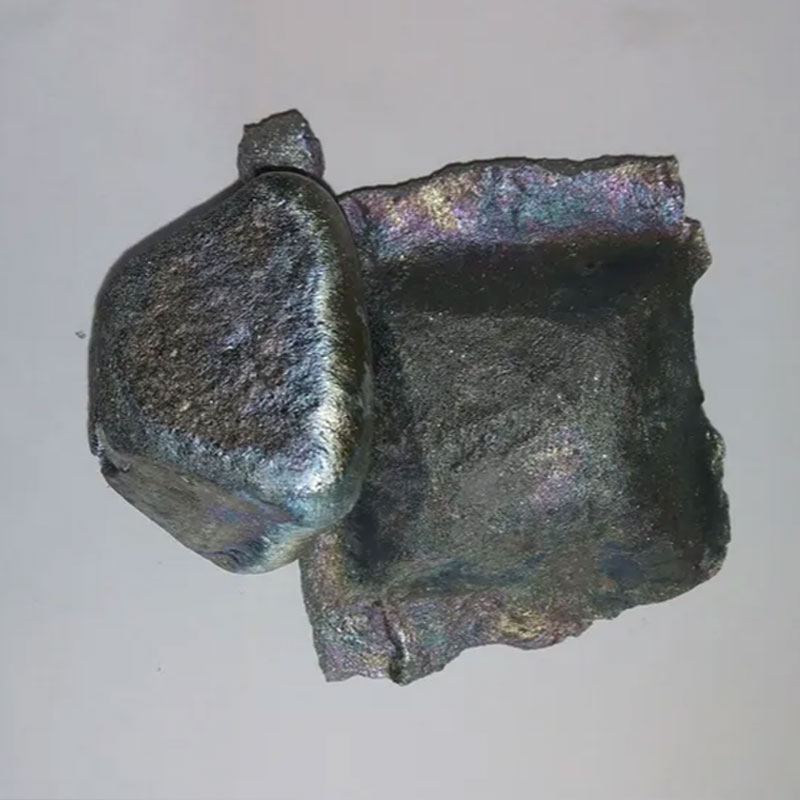
Ferro manganese is a crucial ferroalloy composed primarily of iron and manganese, serving as an essential deoxidizer and desulfurizer in steelmaking. It enhances the strength, hardness, and wear resistance of final steel products while removing harmful oxygen and sulfur impurities. This guide provides a comprehensive overview of its types, production methods, applications, and industry standards to help professionals understand its pivotal role in modern metallurgy.
What is Ferro Manganese?
Ferro manganese acts as a fundamental additive in the global steel industry. By introducing manganese into molten steel, manufacturers can significantly improve the mechanical properties of the final product. The alloy typically contains between 70% and 80% manganese, with the remainder being iron and small amounts of carbon, silicon, and phosphorus.
The primary function of ferro manganese is to act as a scavenger for oxygen and sulfur. During the steelmaking process, these elements can cause brittleness and hot shortness. Manganese has a higher affinity for oxygen and sulfur than iron does, allowing it to form stable compounds that float to the surface as slag, leaving the steel cleaner and more durable.
Beyond purification, manganese solidifies within the steel matrix to form hard carbides. This microstructural change increases tensile strength and toughness without sacrificing ductility. Consequently, almost all commercial steel grades contain some level of manganese, making this alloy indispensable for infrastructure, automotive, and heavy machinery sectors.
The Chemical Composition and Grades
Not all ferro manganese is created equal. The industry categorizes this alloy based on its carbon content and manganese concentration. These distinctions determine which specific steelmaking processes can utilize the material effectively.
- High Carbon Ferro Manganese (HCFeMn): Contains approximately 7-7.5% carbon. It is the most common grade used in bulk steel production where carbon levels are not yet finalized.
- Medium Carbon Ferro Manganese (MCFeMn): Features carbon content between 1.0% and 1.5%. It serves as an intermediate option for specific alloy adjustments.
- Low Carbon Ferro Manganese (LCFeMn): Contains less than 0.7% carbon. This premium grade is vital for producing stainless steels and low-carbon alloys where excess carbon would compromise corrosion resistance or weldability.
Selecting the correct grade is critical. Using a high-carbon variant in a low-carbon steel recipe would require additional refining steps to remove the excess carbon, increasing energy costs and production time. Therefore, understanding the chemical specifications is the first step in effective procurement.
Production Processes of Ferro Manganese
The manufacturing of ferro manganese involves complex pyrometallurgical or electrometallurgical techniques. The choice of method depends largely on the desired carbon content of the final product. Industry experts generally recognize two dominant production routes: the blast furnace method and the submerged arc furnace method.
Submerged Arc Furnace (SAF) Method
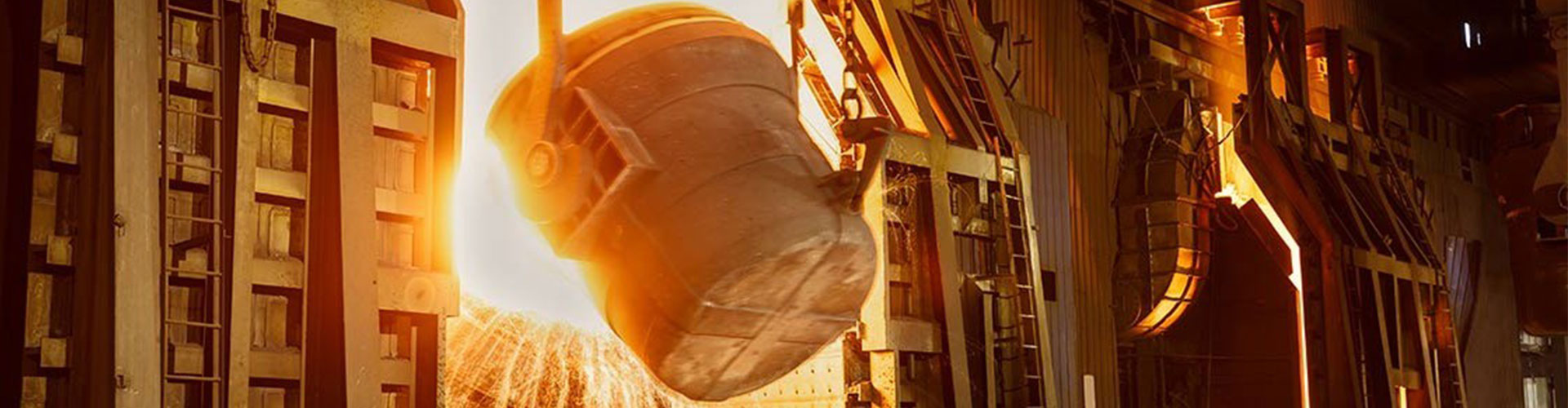
The Submerged Arc Furnace is the standard for producing High Carbon Ferro Manganese. In this process, raw materials including manganese ore, coke (as a reductant), and fluxes like limestone are fed into a large electric furnace.
Electrodes submerged in the charge generate intense heat through electrical resistance, reaching temperatures exceeding 1400°C. This thermal energy facilitates the reduction of manganese oxides by carbon. The reaction produces molten ferro manganese and a liquid slag. The metal, being denser, settles at the bottom and is tapped off periodically.
This method is highly efficient for mass production. However, because carbon is the reducing agent, the resulting alloy inevitably absorbs significant amounts of carbon, limiting its use to high-carbon applications unless further refined.
Silicothermic Reduction Process
To produce Low Carbon and Medium Carbon Ferro Manganese, the industry employs the silicothermic process. This method avoids using carbon as the primary reductant, thereby preventing carbon contamination.
Instead, silicon (usually in the form of ferrosilicon) acts as the reducing agent. The reaction takes place in an electric arc furnace but under strictly controlled conditions to minimize carbon uptake from electrodes or raw materials. The chemical reaction involves silicon reacting with manganese oxide to release pure manganese, which then alloys with iron.
- Advantage: Produces ultra-low carbon content suitable for sensitive steel grades.
- Challenge: The process is more energy-intensive and costly compared to the carbothermic route due to the price of silicon and higher electricity consumption.
Recent industry trends indicate a shift towards optimizing these furnaces for better energy efficiency. As environmental regulations tighten, producers are investing in off-gas recovery systems to capture carbon monoxide and reuse it as fuel, aligning production with sustainability goals.
Key Applications in the Steel Industry
The versatility of ferro manganese makes it applicable across a vast spectrum of industrial sectors. Its ability to modify the grain structure of steel allows engineers to design materials capable of withstanding extreme stress, abrasion, and corrosive environments.
Construction and Infrastructure
In the construction sector, rebar and structural beams require high tensile strength to support heavy loads. Adding ferro manganese ensures that the steel maintains its integrity under dynamic stress, such as during earthquakes or heavy traffic. The improved yield strength allows for the use of thinner sections, reducing the overall weight of structures without compromising safety.
Automotive Manufacturing
The automotive industry relies heavily on advanced high-strength steels (AHSS) to improve fuel efficiency and crash safety. Ferro manganese is a key ingredient in these alloys. It enables the production of lightweight components that can absorb impact energy effectively. Furthermore, its presence improves the hardenability of steel, allowing for precise heat treatment of gears and axles.
Railway and Heavy Machinery
A specialized application involves “Hadfield steel,” which contains around 12-14% manganese. This austenitic steel exhibits unique work-hardening properties; the more it is impacted, the harder it becomes. This makes it ideal for railway crossings, crusher jaws, and shovel buckets used in mining operations where abrasion resistance is paramount.
Ferro Manganese vs. Other Manganese Additives
While ferro manganese is the dominant source of manganese for steelmaking, other forms exist. Understanding the differences helps in selecting the right additive for specific metallurgical requirements. The choice often boils down to cost, purity, and carbon constraints.
| Feature | Ferro Manganese | Manganese Metal | Silicomanganese |
|---|---|---|---|
| Primary Composition | Fe + Mn (70-80% Mn) | Pure Mn (>93%) | Si + Mn + Fe |
| Carbon Content | Varies (Low to High) | Very Low | Moderate to High |
| Cost Efficiency | High (Most economical) | Low (Expensive) | Medium |
| Main Application | Bulk steelmaking, deoxidation | Specialty alloys, aluminum | Deoxidation + Alloying |
| Dissolution Speed | Fast | Moderate | Fast |
Ferro manganese remains the preferred choice for general steel production due to its balance of cost and performance. Manganese metal is reserved for niche applications where iron contamination is unacceptable, such as in certain aluminum alloys or superalloys. Silicomanganese offers a dual benefit of adding both silicon and manganese, often used when both elements are required for deoxidation.
For most carbon steel producers, the slight introduction of iron via ferro manganese is irrelevant since the base material is already iron-based. This synergy makes it the logical default option for the majority of global steel output.
Benefits of Using Ferro Manganese
Incorporating ferro manganese into the melting process offers multiple technical and economic advantages. These benefits extend beyond simple alloying, influencing the entire lifecycle of the steel product.
Enhanced Mechanical Properties
The most immediate benefit is the improvement in mechanical strength. Manganese increases the yield point and tensile strength of steel. It also refines the grain size during solidification, which leads to better toughness and impact resistance. This is particularly important for steels used in cold climates where brittleness can be catastrophic.
Improved Hot Working Characteristics
During rolling or forging, steel must remain ductile at high temperatures. Sulfur impurities can cause “hot shortness,” leading to cracking during processing. Manganese reacts with sulfur to form manganese sulfide (MnS), which has a higher melting point and remains plastic during hot working. This prevents edge cracking and ensures a smoother manufacturing process.
Cost-Effective Deoxidation
Compared to other deoxidizers like aluminum or silicon alone, ferro manganese offers a cost-effective solution for removing oxygen. While it may not be as potent per unit weight as pure aluminum, its dual function as an alloying element means manufacturers do not need to add separate ingredients for strengthening. This simplifies the charge calculation and reduces inventory complexity.
Quality Standards and Specifications
Global trade and industrial application of ferro manganese are governed by strict international standards. These specifications ensure consistency in chemical composition and physical dimensions, facilitating smooth transactions between producers and steel mills.
ISO and ASTM Standards
The International Organization for Standardization (ISO) and the American Society for Testing and Materials (ASTM) provide detailed guidelines for ferroalloys. Key parameters include:
- Manganese Content: Minimum percentage guarantees (e.g., min 78% Mn).
- Carbon Limits: Maximum allowable carbon for specific grades (e.g., max 0.7% for LCFeMn).
- Impurity Levels: Strict caps on phosphorus and sulfur, which can be detrimental to steel quality.
- Size Grading: Specifications for lump sizes (e.g., 10-50mm, 50-100mm) to ensure proper dissolution rates in the furnace.
Adhering to these standards is not optional for reputable suppliers. Steel mills rely on certified analysis reports for every batch to adjust their refining recipes accurately. Deviations can lead to off-spec steel, resulting in significant financial losses and potential safety hazards.
Industry Leader Spotlight: Inner Mongolia Xinxin Silicon Industry Co., Ltd.
In the landscape of ferroalloy production, finding a partner who consistently meets these rigorous standards is paramount. Inner Mongolia Xinxin Silicon Industry Co., Ltd. stands out as one of the largest and most reliable producers in the region. Located in the industrial park of the Inner Mongolia Development Zone, the company combines a long history and profound cultural heritage with modern manufacturing excellence.
Xinxin Silicon Industry has established a perfect management and quality assurance system, ensuring that every batch of product—from ferrosilicon and calcium silicon to silicon manganese alloy and cored wire—meets or exceeds national and international standards. Their facility is equipped with a complete set of precision testing instruments and diverse alloy processing lines, including capabilities for producing composite deoxidizers and desulfurizers. To guarantee unwavering quality, experienced engineers guide workers through every step of the production process, overseeing everything from raw material selection to final inspection by the Quality and Technical Supervision Bureau.
With a business philosophy centered on “quality for survival, integrity for development, and technology for efficiency,” the company has earned high market visibility and a stellar reputation both domestically and abroad. Their commitment to technological advancement and operational efficiency has garnered numerous honors within the metallurgical industry, making them a trusted source for steel mills and foundries seeking stable, high-quality ferroalloys.
Packaging and Handling
Proper packaging is essential to maintain the quality of ferro manganese during transit. The alloy is hygroscopic to some extent and can oxidize if exposed to moisture for prolonged periods. Standard practices include packing in steel drums, jumbo bags, or bulk vessels with moisture barriers.
Handling procedures also emphasize dust control. While ferro manganese itself is not highly toxic, the dust generated during loading and unloading can pose respiratory risks. Modern facilities employ enclosed conveyor systems and dust extraction units to protect workers and the environment.
Market Trends and Future Outlook
The global demand for ferro manganese is intrinsically linked to the health of the steel industry. As urbanization continues in emerging economies and infrastructure projects expand worldwide, the consumption of this alloy is projected to grow steadily.
Shift Towards Green Steel
A major trend influencing the market is the push towards “green steel.” Manufacturers are under pressure to reduce the carbon footprint of their operations. This has led to increased interest in low-carbon production methods for ferroalloys. Producers are exploring the use of renewable energy sources to power submerged arc furnaces and investigating bio-reductants to replace traditional coke.
Additionally, the rise of electric arc furnaces (EAF) in steelmaking, which recycle scrap metal, changes the dynamics of alloy addition. EAFs often require precise, low-residual alloys, potentially increasing the demand for low-carbon ferro manganese variants over time.
Supply Chain Resilience
Manganese ore reserves are geographically concentrated, with major deposits located in South Africa, Gabon, Australia, and China. This concentration creates supply chain vulnerabilities. Recent years have seen industry players diversifying their sourcing strategies and investing in local processing capabilities to mitigate geopolitical risks and logistics bottlenecks.
Technological advancements in ore beneficiation are also allowing the use of lower-grade ores, extending the life of existing mines and ensuring a stable long-term supply of raw materials for ferro manganese production.
Frequently Asked Questions (FAQ)
What is the main difference between HCFeMn and LCFeMn?
The primary difference lies in the carbon content. High Carbon Ferro Manganese (HCFeMn) contains roughly 7-7.5% carbon and is produced using a carbothermic process. Low Carbon Ferro Manganese (LCFeMn) contains less than 0.7% carbon and is made via a silicothermic process. LCFeMn is more expensive but necessary for stainless steel and low-carbon applications.
Why is manganese added to steel?
Manganese is added to steel primarily to remove oxygen and sulfur (deoxidation and desulfurization). It also improves the steel’s strength, hardness, and toughness. Additionally, it prevents hot shortness, allowing the steel to be worked at high temperatures without cracking.
Can ferro manganese be used in aluminum alloys?
Generally, no. Ferro manganese introduces iron into the mix, which is often an undesirable impurity in aluminum alloys. For aluminum applications, pure manganese metal or master alloys specifically designed for aluminum are preferred to avoid contaminating the lightweight metal with iron.
How is ferro manganese stored?
It should be stored in a dry, well-ventilated area away from moisture and water sources. Although not spontaneously combustible, prolonged exposure to humidity can cause oxidation and degradation of the alloy’s surface. Proper stacking and covering with tarpaulins are standard industry practices.
Is ferro manganese dangerous to handle?
In solid form, it is relatively safe. However, grinding or crushing the alloy generates dust that can be harmful if inhaled over long periods. Workers should wear appropriate personal protective equipment (PPE), including respirators and eye protection, during handling operations to prevent respiratory irritation.
Conclusion and Selection Guide
Ferro manganese stands as a cornerstone of the modern steel industry, enabling the production of stronger, safer, and more durable materials. From skyscrapers to automobiles, its influence is ubiquitous yet often unseen. Understanding the nuances between high-carbon and low-carbon grades, as well as the production methodologies, is essential for making informed procurement decisions.
Who Should Use This Product?
This alloy is ideally suited for:
- Steel Mills: For bulk production of carbon and alloy steels requiring deoxidation and strengthening.
- Foundries: For casting components that demand high wear resistance and structural integrity.
- Metal Traders: Looking for standardized commodities with consistent global demand.
Next Steps for Buyers
When selecting a supplier, prioritize those who adhere to international ISO/ASTM standards and can provide certified chemical analysis for each batch. Evaluate their capacity to deliver the specific grade (HC, MC, or LC) required for your metallurgical recipe. Furthermore, consider their logistics capabilities to ensure timely delivery and proper packaging to maintain product quality. Partnering with established industry leaders like Inner Mongolia Xinxin Silicon Industry Co., Ltd. ensures access to high-quality products backed by rigorous testing and a proven track record of reliability.
By partnering with a reliable provider and specifying the correct grade of ferro manganese, manufacturers can optimize their production efficiency and ensure the highest quality end-products for their customers.