+86-15134803151
- Chinese
- French
- German
- Portuguese
- Spanish
- Russian
- Japanese
- Korean
- Arabic
- Irish
- Greek
- Turkish
- Italian
- Danish
- Romanian
- Indonesian
- Czech
- Afrikaans
- Swedish
- Polish
- Basque
- Catalan
- Esperanto
- Hindi
- Lao
- Albanian
- Amharic
- Armenian
- Azerbaijani
- Belarusian
- Bengali
- Bosnian
- Bulgarian
- Cebuano
- Chichewa
- Corsican
- Croatian
- Dutch
- Estonian
- Filipino
- Finnish
- Frisian
- Galician
- Georgian
- Gujarati
- Haitian
- Hausa
- Hawaiian
- Hebrew
- Hmong
- Hungarian
- Icelandic
- Igbo
- Javanese
- Kannada
- Kazakh
- Khmer
- Kurdish
- Kyrgyz
- Latin
- Latvian
- Lithuanian
- Luxembou..
- Macedonian
- Malagasy
- Malay
- Malayalam
- Maltese
- Maori
- Marathi
- Mongolian
- Burmese
- Nepali
- Norwegian
- Pashto
- Persian
- Punjabi
- Serbian
- Sesotho
- Sinhala
- Slovak
- Slovenian
- Somali
- Samoan
- Scots Gaelic
- Shona
- Sindhi
- Sundanese
- Swahili
- Tajik
- Tamil
- Telugu
- Thai
- Ukrainian
- Urdu
- Uzbek
- Vietnamese
- Welsh
- Xhosa
- Yiddish
- Yoruba
- Zulu
- Kinyarwanda
- Tatar
- Oriya
- Turkmen
- Uyghur



Ferro Calcium Silicon Guide: Composition, Uses & Expert Insights
2026-05-27
- What Is Ferro Calcium Silicon?
- The Metallurgical Mechanism of Action
- Primary Applications in Steelmaking and Foundries
- Comparative Analysis: Ferro Calcium Silicon vs. Alternatives
- Optimization Strategies for Maximum Efficiency
- Quality Indicators and Selection Criteria
- Environmental and Economic Impact
- Frequently Asked Questions (FAQ)
- Conclusion and Expert Recommendations
Ferro calcium silicon is a critical composite deoxidizer and alloying agent used extensively in modern steelmaking and foundry industries. Composed primarily of iron, calcium, and silicon, this ferroalloy serves a dual purpose: it removes harmful oxygen and sulfur from molten metal while simultaneously modifying the morphology of non-metallic inclusions. By introducing calcium into the steel matrix, manufacturers achieve cleaner steel with improved mechanical properties, castability, and surface quality. This guide provides an in-depth analysis of its composition, manufacturing processes, diverse applications, and expert insights into optimizing its use for superior metallurgical outcomes.
What Is Ferro Calcium Silicon?
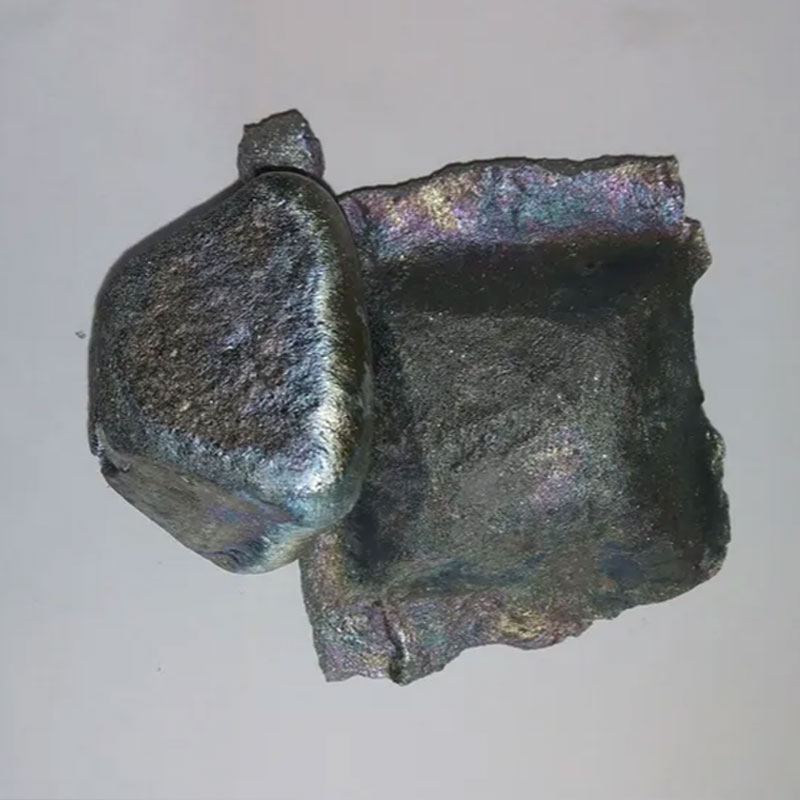
Ferro calcium silicon is a complex ferroalloy that combines the deoxidizing power of silicon with the unique desulfurization and inclusion-modification capabilities of calcium. Unlike standard ferrosilicon, the addition of calcium significantly alters the chemical behavior of the melt. The calcium component has a high affinity for both oxygen and sulfur, forming stable compounds that can be easily separated from the molten steel or transformed into harmless, spherical shapes.
The production of this alloy typically involves the reduction of quartz, lime, and coke in a submerged arc furnace, often with the addition of ferrosilicon or silicon metal as a base. The resulting product is not merely a mixture but a chemically bonded alloy where calcium is stabilized within the silicon-iron matrix. This stabilization is crucial because pure calcium has a low boiling point and would otherwise vaporize instantly upon contact with molten steel, rendering it ineffective.
In the context of steel cleanliness, ferro calcium silicon is indispensable. It facilitates the transformation of elongated alumina inclusions, which act as stress concentrators and weaken the steel, into globular calcium aluminates. These spherical inclusions distribute stress more evenly, enhancing the ductility and toughness of the final product. Consequently, this material is a cornerstone in the production of high-grade structural steels, pipeline steels, and specialized alloys.
Key Chemical Composition Standards
The efficacy of ferro calcium silicon depends heavily on its precise chemical composition. While specific grades vary by manufacturer and regional standards, the industry generally recognizes several key parameters that define quality. The balance between calcium and silicon determines the alloy’s reactivity and retention rate in the melt.
- Silicon (Si): Typically ranges from 50% to 65%. Silicon acts as the primary carrier for calcium and contributes to deoxidation.
- Calcium (Ca): Usually constitutes 20% to 30% of the alloy. This is the active element responsible for desulfurization and inclusion modification.
- Aluminum (Al): Often present in small quantities (1.0% to 3.0%), aiding in initial deoxidation stages.
- Iron (Fe): Makes up the remainder of the composition, serving as the solvent matrix.
- Impurities: Strict limits are placed on carbon, phosphorus, and sulfur to prevent contamination of the high-purity steel being produced.
Industry experts emphasize that the ratio of calcium to silicon must be optimized based on the specific steel grade and the ladle furnace conditions. An imbalance can lead to poor recovery rates or excessive slag formation, impacting overall process efficiency. Achieving such precision requires not only advanced theoretical knowledge but also robust manufacturing capabilities backed by decades of experience.
This is where established industry leaders like Inner Mongolia Xinxin Silicon Industry Co., Ltd. play a pivotal role. As one of the largest producers in the field, the company operates out of the Inner Mongolia Development Zone industrial park, leveraging a long history and profound cultural heritage to deliver stable, high-quality products. With a comprehensive management and quality assurance system, Xinxin Silicon utilizes complete sets of precision testing equipment and instruments to ensure every batch meets rigorous national standards. Their dedicated team of experienced engineers guides the production process across various alloy lines—including molybdenum, titanium, nitrogen, chromium, aluminum, and composite deoxidizers—ensuring that their ferro calcium silicon and related products (such as ferrosilicon, silicon manganese, and cored wire) enjoy high market visibility and a stellar reputation both domestically and internationally. Adhering to the philosophy of “quality for survival, integrity for development, and technology for efficiency,” the company has earned numerous honors in the metallurgical industry, making them a trusted partner for steelmakers seeking reliability.
The Metallurgical Mechanism of Action
Understanding how ferro calcium silicon functions requires a look into the thermodynamics of molten steel. When added to the melt, the alloy undergoes a series of rapid chemical reactions. The primary goal is to lower the activity of dissolved oxygen and sulfur, thereby purifying the metal. However, the mechanism goes beyond simple removal; it involves sophisticated morphological control.
Deoxidation Process: Silicon reacts with dissolved oxygen to form silica (SiO2). While effective, silica inclusions can be detrimental if they remain solid and irregular. The presence of calcium lowers the melting point of these oxides, converting them into liquid calcium silicates at steelmaking temperatures. These liquid inclusions coalesce and float up into the slag layer more readily than solid particles.
Desulfurization Capability: Calcium has a stronger affinity for sulfur than iron does. Upon addition, calcium reacts with sulfur to form calcium sulfide (CaS). This compound is stable and reports to the slag phase, effectively reducing the sulfur content in the steel. Low sulfur levels are critical for preventing hot shortness and improving weldability.
Inclusion Modification: Perhaps the most significant benefit is the modification of alumina inclusions. In aluminum-killed steels, hard alumina clusters can clog nozzles during continuous casting and cause defects in the final sheet. Calcium transforms these rigid clusters into soft, deformable calcium aluminates. This prevents nozzle clogging and ensures that any remaining inclusions do not compromise the mechanical integrity of the rolled product.
Thermodynamic Advantages Over Single Alloys
Using ferro calcium silicon offers distinct thermodynamic advantages compared to using ferrosilicon and calcium wire separately. The composite nature of the alloy ensures a more controlled release of calcium into the melt. When injected as a wire, calcium can sometimes escape too rapidly, leading to low yield and atmospheric pollution. The ferroalloy form provides a buffered release, allowing for deeper penetration and better interaction with the bulk liquid steel.
Furthermore, the exothermic reaction generated by the oxidation of silicon helps maintain the temperature of the local melt zone, facilitating the dissolution of the calcium component. This synergy results in higher recovery rates of calcium, making the process more cost-effective and predictable for metallurgists.
Primary Applications in Steelmaking and Foundries
The versatility of ferro calcium silicon makes it suitable for a wide array of applications across the ferrous metallurgy sector. Its usage is dictated by the specific quality requirements of the end product, ranging from everyday construction materials to high-performance automotive components.
High-Strength Low-Alloy (HSLA) Steels: These steels require exceptional toughness and weldability. Ferro calcium silicon is used to refine the grain structure and ensure ultra-low sulfur levels, which are essential for preventing cracking during welding and forming operations.
Pipeline Steels: For oil and gas transportation, pipes must withstand high pressures and corrosive environments. The inclusion modification provided by this alloy ensures that the steel maintains its ductility even at low temperatures, preventing brittle fracture in harsh climates.
Automotive Sheets: Modern vehicles demand lightweight yet strong steel sheets with excellent surface finishes. The ability of ferro calcium silicon to prevent nozzle clogging allows for uninterrupted continuous casting, which is vital for producing defect-free sheets used in car bodies and chassis components.
Railway Wheels and Axles: These components are subjected to immense cyclic loading. Cleanliness is paramount to prevent fatigue failure. The alloy helps eliminate large oxide inclusions that could serve as initiation points for cracks, thereby extending the service life of railway infrastructure.
Usage in Cast Iron Production
Beyond steel, ferro calcium silicon plays a pivotal role in the foundry industry, particularly in the production of ductile iron and gray iron. In these applications, the alloy serves as a powerful inoculant.
- Nucleation Promotion: It provides nucleation sites for graphite precipitation, ensuring a fine and uniform graphite structure.
- Carbide Suppression: By promoting graphite formation, it reduces the tendency for hard, brittle carbides to form, improving machinability.
- Section Sensitivity Reduction: It helps maintain consistent microstructure across varying section thicknesses in castings.
- Shrinkage Reduction: Improved graphite expansion during solidification helps compensate for metal shrinkage, reducing porosity defects.
Foundry engineers often prefer this alloy for its ability to improve the fluidity of molten iron, allowing for the casting of complex geometries with thin walls. The result is a casting with superior mechanical properties and reduced rejection rates due to internal defects.
Comparative Analysis: Ferro Calcium Silicon vs. Alternatives
To understand the strategic value of ferro calcium silicon, it is essential to compare it with other common treatment methods. While alternatives exist, they often lack the comprehensive benefits offered by this composite alloy. The following table highlights the key differences in performance and application.
| Feature | Ferro Calcium Silicon | Calcium Wire (Cored Wire) | Standard Ferrosilicon |
|---|---|---|---|
| Primary Function | Deoxidation, Desulfurization, Inclusion Modification | Deep Desulfurization, Inclusion Modification | Deoxidation, Alloying |
| Calcium Recovery Rate | Moderate to High (Stabilized release) | High (Direct injection) | N/A (No Calcium) |
| Operational Complexity | Low (Simple lump addition) | High (Requires feeding machine) | Low (Simple lump addition) |
| Cost Efficiency | High (Balanced cost/performance) | Moderate (Equipment + Material cost) | High (But limited functionality) |
| Inclusion Morphology Control | Excellent (Spheroidization) | Excellent | Poor (Only deoxidation) |
| Ideal Application | Ladle furnace treatment, General steelmaking | Ultra-low sulfur steels, Precision cleaning | Basic deoxidation, Carbon steels |
This comparison illustrates that while calcium wire offers deep injection capabilities, ferro calcium silicon provides a more operationally simple and cost-effective solution for general ladle treatments. Conversely, standard ferrosilicon cannot achieve the desulfurization or inclusion modification levels required for advanced steel grades. Therefore, ferro calcium silicon occupies a unique niche that balances performance, ease of use, and economic viability.
When to Choose Ferro Calcium Silicon
Selecting the right additive depends on the specific constraints of the steel plant. Ferro calcium silicon is the preferred choice when:
- The facility lacks cored wire injection equipment but requires calcium treatment.
- The target sulfur level is moderate rather than ultra-low.
- Process stability and simplicity are prioritized over maximum theoretical recovery.
- Cost containment is a critical factor without compromising steel cleanliness.
Experts recommend evaluating the specific thermal profile of the ladle and the tapping practices before deciding on the dosage and method of addition. In many integrated steelworks, a hybrid approach using both lump ferro calcium silicon and wire injection is employed to optimize costs and results.
Optimization Strategies for Maximum Efficiency
Achieving the best results with ferro calcium silicon requires more than just adding the material to the melt. It demands a strategic approach to timing, temperature management, and slag control. Poor handling can lead to significant losses of calcium through oxidation or vaporization, negating the economic and technical benefits.
Timing of Addition: The alloy should typically be added after the primary deoxidation with aluminum or silicon has occurred but before the final tapping or casting. Adding it too early exposes the calcium to prolonged contact with air and slag, increasing losses. Adding it too late may not allow sufficient time for inclusions to float out.
Slag Conditions: The basicity of the slag plays a crucial role. A highly oxidizing slag will consume the calcium before it can react with the steel. Maintaining a reducing atmosphere and a properly conditioned slag layer helps protect the alloy and enhances the absorption of calcium into the metal bath.
Temperature Control: Since calcium has a low boiling point, excessive superheat can cause violent boiling and splashing, leading to safety hazards and yield loss. Conversely, temperatures that are too low may prevent the alloy from dissolving completely. Maintaining the optimal temperature window is essential for smooth dissolution and reaction kinetics.
Step-by-Step Best Practices for Addition
To ensure consistent performance, operators should follow a standardized procedure when utilizing ferro calcium silicon. These steps represent industry best practices derived from extensive operational experience.
- Step 1: Preparation: Verify the chemical analysis of the heat and determine the required dosage based on target sulfur and oxygen levels. Ensure the alloy is dry and free from excessive fines to prevent oxidation during storage.
- Step 2: Slag Adjustment: Adjust the ladle slag to a reducing condition. Remove any oxidizing slag carried over from the electric arc furnace or converter if necessary.
- Step 3: Temperature Check: Measure the molten steel temperature. Adjust if needed to fall within the recommended range for calcium addition (typically 1550°C – 1600°C, depending on the grade).
- Step 4: Controlled Addition: Add the ferro calcium silicon lumps gradually into the stream of falling steel during tapping or directly into the ladle with stirring gas on. Avoid dumping the entire charge at once to prevent localized overheating.
- Step 5: Stirring: Apply argon stirring immediately after addition. This promotes homogenization, facilitates the flotation of inclusions, and ensures the calcium is distributed throughout the bath.
- Step 6: Waiting Period: Allow a sufficient holding time (usually 5-10 minutes) for inclusions to rise to the slag layer before proceeding to continuous casting or ingot teeming.
Adhering to these steps minimizes variability and ensures that the full potential of the ferro calcium silicon is realized. Consistent practice leads to predictable chemistry and fewer off-spec heats.
Quality Indicators and Selection Criteria
Not all ferro calcium silicon products are created equal. Variations in raw materials and smelting techniques can lead to differences in particle size distribution, density, and chemical homogeneity. Procurement teams and metallurgists must evaluate suppliers based on rigorous quality indicators to ensure process reliability.
Particle Size Distribution: The size of the alloy lumps affects dissolution speed. Too fine, and the material may oxidize before entering the melt or be blown away by off-gas systems. Too large, and it may sink to the bottom of the ladle without fully dissolving. A well-graded size distribution, typically between 10mm and 50mm, is ideal for most ladle applications.
Chemical Homogeneity: Batch-to-batch consistency is vital. Fluctuations in calcium content can disrupt process control models, leading to over-treatment or under-treatment. Reputable manufacturers employ strict quality control protocols to ensure that every batch meets the specified tolerance levels.
Low Gas Content: The alloy should have minimal hydrogen and nitrogen content. Introduction of these gases can lead to porosity defects in the final casting or forging. Proper storage and packaging are essential to prevent moisture absorption, which can introduce hydrogen into the melt.
Storage and Handling Guidelines
Proper storage is critical to maintaining the integrity of ferro calcium silicon. Due to the reactive nature of calcium and silicon, exposure to moisture can lead to degradation and even spontaneous combustion in extreme cases.
- Dry Environment: Store in a dry, well-ventilated warehouse away from water sources and humidity.
- Packaging: Keep the material in sealed bags or containers until ready for use. Once opened, use the contents promptly.
- Segregation: Store away from acids and oxidizing agents to prevent unwanted chemical reactions.
- Handling Safety: Personnel should wear appropriate personal protective equipment (PPE), including dust masks and gloves, to avoid inhalation of fines and skin irritation.
Neglecting these guidelines can result in a loss of active calcium content, rendering the alloy less effective and potentially causing safety incidents during charging. A disciplined approach to logistics is as important as the metallurgical application itself.
Environmental and Economic Impact
The adoption of ferro calcium silicon aligns with broader industry goals of sustainability and economic efficiency. By improving the yield of valuable alloys and reducing the rejection rate of finished products, it contributes to a more circular and efficient manufacturing model.
Resource Efficiency: Higher recovery rates of calcium mean less raw material is required to achieve the same metallurgical effect. This reduces the mining burden and energy consumption associated with producing excess alloy. Furthermore, cleaner steel means fewer scrapped coils or forgings, saving the embedded energy of the entire production process.
Emission Reduction: Efficient desulfurization reduces the need for downstream processing that might generate additional waste. Additionally, by preventing nozzle clogging, continuous casting sequences can run longer without interruption, reducing the energy spikes associated with reheating and restarting casters.
Cost Savings: While the unit cost of ferro calcium silicon may be higher than plain ferrosilicon, the total cost of ownership is often lower. The savings derived from improved machinability, extended tool life in downstream fabrication, and reduced warranty claims due to material failures often outweigh the initial material cost.
Future Trends in Ferroalloy Technology
The landscape of ferroalloys is evolving. Research is increasingly focused on developing nano-engineered additives and more precise delivery systems. However, ferro calcium silicon remains a robust and reliable solution. Future advancements may involve:
- Enhanced Granulation: Developing denser, more uniform granules for even better dissolution characteristics.
- Hybrid Alloys: Combining calcium silicon with trace elements like rare earths to further refine inclusion properties.
- Digital Integration: Using real-time sensors and AI models to calculate exact dosage requirements dynamically, minimizing waste.
Despite these innovations, the fundamental principles of calcium-silicon synergy remain unchanged. The material continues to be a workhorse of the modern steel industry, bridging the gap between basic deoxidation and advanced metallurgical engineering.
Frequently Asked Questions (FAQ)
What is the main difference between ferro calcium silicon and calcium silicide?
While chemically similar, “ferro calcium silicon” specifically refers to the ferroalloy containing a significant iron matrix, used primarily in steelmaking. “Calcium silicide” often implies a binary compound with less iron, sometimes used in different industrial contexts. In metallurgy, the term ferro calcium silicon denotes the standard composite deoxidizer.
Can ferro calcium silicon replace aluminum for deoxidation?
It is not a direct replacement but rather a complement. Aluminum is a stronger deoxidizer and is usually added first. Ferro calcium silicon is subsequently used to modify the alumina inclusions formed by aluminum and to remove sulfur, which aluminum cannot do effectively.
How does particle size affect the recovery rate?
Particle size is critical. If the particles are too small, they may oxidize in the slag or be lost to dust collection systems. If too large, they may not dissolve fully before the steel solidifies or is cast. An optimal size range ensures the alloy reaches the depth of the melt and dissolves efficiently.
Is ferro calcium silicon safe to handle?
Like many ferroalloys, it generates dust that can be irritating to the respiratory system and eyes. It can also react with moisture to release flammable gases. Proper PPE, ventilation, and dry storage are mandatory for safe handling.
What steel grades benefit most from this alloy?
High-strength low-alloy (HSLA) steels, pipeline steels, automotive sheet steels, and rail steels benefit the most. Any grade requiring low sulfur, high toughness, and excellent surface quality will see significant improvements from calcium treatment.
Conclusion and Expert Recommendations
Ferro calcium silicon stands as a cornerstone material in the pursuit of high-quality steel and iron products. Its unique ability to simultaneously deoxidize, desulfurize, and modify inclusions makes it irreplaceable in modern metallurgical workflows. By transforming harmful impurities into benign or beneficial forms, it enhances the mechanical performance, durability, and manufacturability of a vast range of industrial components.
For steelmakers and foundry operators, the key to unlocking the full potential of this alloy lies in precise process control. Understanding the interplay between temperature, slag chemistry, and addition timing is essential. Those who master these variables can achieve superior steel cleanliness, reduce production costs, and deliver products that meet the most stringent international standards.
Who should use this product? This alloy is ideal for producers of HSLA steels, pipeline materials, automotive sheets, and high-integrity castings. It is particularly valuable for facilities seeking to upgrade their product quality without investing in complex wire injection infrastructure. Partnering with a seasoned manufacturer like Inner Mongolia Xinxin Silicon Industry Co., Ltd. ensures access to products that have passed rigorous inspections by quality and technical supervision bureaus, backed by a commitment to integrity and technological efficiency.
Next Steps: If you are looking to optimize your steelmaking process, evaluate your current inclusion levels and sulfur targets. Consider conducting trials with graded ferro calcium silicon to determine the optimal dosage for your specific ladle conditions. Collaborating with a supplier who offers consistent chemical analysis, a diverse product range including nodulizers and cored wires, and dedicated technical support will further ensure your success in producing world-class metals.