+86-15134803151
- Chinese
- French
- German
- Portuguese
- Spanish
- Russian
- Japanese
- Korean
- Arabic
- Irish
- Greek
- Turkish
- Italian
- Danish
- Romanian
- Indonesian
- Czech
- Afrikaans
- Swedish
- Polish
- Basque
- Catalan
- Esperanto
- Hindi
- Lao
- Albanian
- Amharic
- Armenian
- Azerbaijani
- Belarusian
- Bengali
- Bosnian
- Bulgarian
- Cebuano
- Chichewa
- Corsican
- Croatian
- Dutch
- Estonian
- Filipino
- Finnish
- Frisian
- Galician
- Georgian
- Gujarati
- Haitian
- Hausa
- Hawaiian
- Hebrew
- Hmong
- Hungarian
- Icelandic
- Igbo
- Javanese
- Kannada
- Kazakh
- Khmer
- Kurdish
- Kyrgyz
- Latin
- Latvian
- Lithuanian
- Luxembou..
- Macedonian
- Malagasy
- Malay
- Malayalam
- Maltese
- Maori
- Marathi
- Mongolian
- Burmese
- Nepali
- Norwegian
- Pashto
- Persian
- Punjabi
- Serbian
- Sesotho
- Sinhala
- Slovak
- Slovenian
- Somali
- Samoan
- Scots Gaelic
- Shona
- Sindhi
- Sundanese
- Swahili
- Tajik
- Tamil
- Telugu
- Thai
- Ukrainian
- Urdu
- Uzbek
- Vietnamese
- Welsh
- Xhosa
- Yiddish
- Yoruba
- Zulu
- Kinyarwanda
- Tatar
- Oriya
- Turkmen
- Uyghur



Silicon and Calcium Explained: A Complete Guide with Expert Insights
2026-05-24
- What Are Silicon and Calcium? Fundamental Definitions
- The Role of Silicon in Modern Industry
- The Significance of Calcium in Science and Manufacturing
- Interactions Between Silicon and Calcium in Alloys
- Industry Spotlight: Leading the Way in Alloy Production
- Comparative Analysis: Silicon vs. Calcium
- Processing and Extraction Methods
- Key Applications Across Industries
- Advantages and Limitations
- Future Trends in Silicon and Calcium Technology
- Frequently Asked Questions (FAQ)
- Conclusion and Strategic Recommendations
Silicon and calcium are two fundamental elements that play distinct yet occasionally intersecting roles in modern technology, biology, and industrial manufacturing. While silicon serves as the backbone of the digital age through semiconductors, calcium is essential for biological structural integrity and specific metallurgical processes. Understanding the unique properties, applications, and interactions of silicon and calcium provides critical insights for engineers, researchers, and industry professionals seeking to optimize material performance.
What Are Silicon and Calcium? Fundamental Definitions
To grasp the significance of silicon and calcium, one must first distinguish their chemical nature and primary states. Silicon (Si) is a metalloid found in Group 14 of the periodic table, renowned for its semiconductor properties. It rarely exists in pure form in nature, typically bonding with oxygen to form silica or silicates.
Calcium (Ca), an alkaline earth metal in Group 2, is highly reactive and never found free in nature. It is the fifth most abundant element in the Earth’s crust and vital for living organisms. In industrial contexts, calcium acts as a powerful reducing agent and alloying component.
The juxtaposition of silicon and calcium often arises in metallurgy and advanced materials science, where their combined effects influence grain structure, conductivity, and durability. Recognizing these baseline definitions is the first step toward leveraging their potential in specialized applications.
The Role of Silicon in Modern Industry
Silicon dominates the technological landscape due to its unique ability to conduct electricity under specific conditions. This property makes it the cornerstone of the semiconductor industry, powering everything from microprocessors to solar cells.
Semiconductor Applications
In electronics, high-purity silicon is processed into wafers that serve as the substrate for integrated circuits. The crystal lattice structure allows for precise doping, enabling the control of electron flow. This capability is unmatched by other materials in current mainstream technology.
- Microchips: Silicon forms the basis of logic gates and memory storage in computing devices.
- Photovoltaics: Solar panels utilize silicon’s photoelectric effect to convert sunlight directly into electricity.
- Sensors: Various environmental and mechanical sensors rely on silicon’s piezoresistive properties.
Metallurgical Uses
Beyond electronics, silicon is crucial in metallurgy. It is frequently added to aluminum and steel alloys to improve fluidity during casting and enhance mechanical strength. In the production of ferrosilicon, it acts as a deoxidizer, removing oxygen from molten metal to prevent defects.
Industry experts note that the purity levels required for electronic-grade silicon differ vastly from those needed for metallurgical grades. This distinction dictates the refining processes and final cost structures associated with the material.
The Significance of Calcium in Science and Manufacturing
While often associated with biology, calcium holds substantial value in industrial chemistry and materials engineering. Its high reactivity makes it an excellent agent for purification and modification of other metals.
Biological and Structural Importance
In biological systems, calcium is indispensable for bone formation, muscle contraction, and nerve transmission. However, in the context of material science, its role shifts toward chemical reactivity. Calcium compounds, such as calcium carbonate and calcium oxide, are foundational in construction and cement production.
Industrial Metallurgy and Refining
Calcium metal is increasingly used in the steelmaking process to remove impurities like sulfur and oxygen. When injected into molten steel, calcium modifies the shape of non-metallic inclusions, improving the steel’s toughness and machinability.
Furthermore, calcium is employed in the production of high-strength aluminum alloys. By altering the microstructure, it helps refine grain size, which directly correlates to improved tensile strength and fatigue resistance in the final product.
Interactions Between Silicon and Calcium in Alloys
The intersection of silicon and calcium is most prominently observed in the realm of alloy production, particularly within the aluminum and iron industries. Their combined presence can lead to synergistic effects that enhance material properties beyond what either element could achieve alone.
Modification of Aluminum-Silicon Alloys
Aluminum-silicon (Al-Si) alloys are widely used in automotive casting due to their low density and good castability. However, untreated Al-Si alloys often suffer from coarse silicon particles that reduce ductility. Here, calcium plays a pivotal role as a modifier.
Adding trace amounts of calcium to molten Al-Si alloys changes the morphology of silicon crystals from coarse plates to fine fibrous structures. This transformation significantly improves the mechanical properties of the casting, making it less prone to cracking under stress.
- Grain Refinement: Calcium restricts the growth of large silicon grains.
- Eutectic Modification: It lowers the eutectic temperature, allowing for better flow during casting.
- Enhanced Ductility: The refined structure absorbs more energy before failure.
Deoxidation in Steel Production
In steelmaking, both elements serve as deoxidizers, but they function differently. Silicon is a common deoxidizer, forming solid silica inclusions. Calcium, being more reactive, can further reduce oxygen levels and modify existing silica inclusions into liquid calcium aluminates, which are easier to remove from the melt.
This interaction ensures cleaner steel with fewer internal defects. The sequential or simultaneous addition of silicon and calcium is a standard practice in producing high-quality structural steels used in infrastructure and heavy machinery.
Industry Spotlight: Leading the Way in Alloy Production
The theoretical advantages of combining silicon and calcium are best realized through rigorous manufacturing standards and advanced processing capabilities. A prime example of this expertise is Inner Mongolia Xinxin Silicon Industry Co., Ltd., one of the largest producers in the field. Located in the Inner Mongolia Development Zone industrial park, the company has built a long history rooted in profound cultural heritage and a steadfast commitment to stable product quality.
Xinxin Silicon Industry has established a perfect management and quality assurance system, supported by a complete set of precision testing equipment and instruments. To ensure every batch meets national standards, experienced engineers guide workers throughout the production process. The company operates comprehensive processing lines for molybdenum, titanium, nitrogen, chromium, aluminum, composite deoxidizers, and desulfurizers.
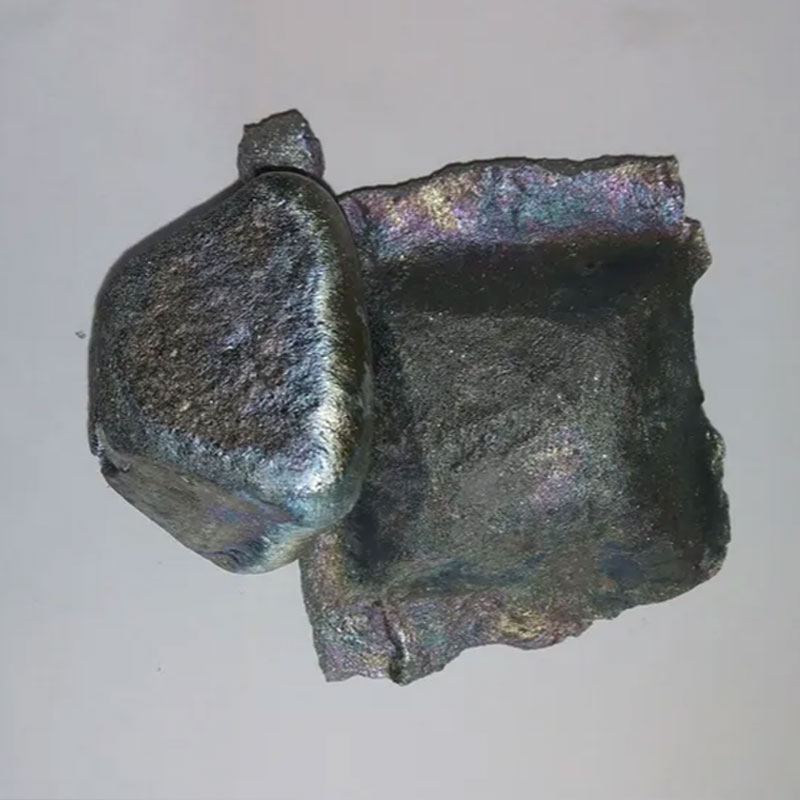
Their main product portfolio aligns perfectly with the critical applications discussed in this article, including ferrosilicon, calcium silicon, silicon manganese alloy, silicon barium calcium alloy, silicon metal, cored wire, and nodulizers. These products have passed strict inspections by the Quality and Technical Supervision Bureau and enjoy high market visibility both domestically and internationally. Adhering to the business philosophy of “quality for survival, integrity for development, and technology for efficiency,” Xinxin Silicon Industry has won numerous honors in the metallurgical sector, demonstrating how dedicated manufacturing excellence drives the global supply of these essential elements.
Comparative Analysis: Silicon vs. Calcium
Understanding the distinctions between these two elements is vital for selecting the right material for specific engineering challenges. The following table highlights key differences in their physical properties and primary industrial functions.
| Feature | Silicon (Si) | Calcium (Ca) |
|---|---|---|
| Element Type | Metalloid | Alkaline Earth Metal |
| Primary Industrial Use | Semiconductors, Solar Cells, Alloys | Deoxidizer, Alloy Modifier, Construction |
| Reactivity | Moderate; stable in air due to oxide layer | High; reacts vigorously with water and air |
| Conductivity | Semiconductor (variable) | Good electrical conductor (as metal) |
| Role in Alloys | Increases strength, fluidity, and heat resistance | Refines grain structure, removes impurities |
| Natural Occurrence | Silicates, Silica (Sand) | Limestone, Gypsum, Fluorite |
This comparison underscores that while both are essential, their applications rarely overlap in end-products, except in specific metallurgical formulations where their chemical interactions are exploited.
Processing and Extraction Methods
The extraction and refinement of silicon and calcium require energy-intensive processes tailored to their chemical stability. Efficient production methods are critical for maintaining supply chains in high-tech and heavy industries.
Silicon Production Techniques
Metallurgical grade silicon is typically produced in submerged arc furnaces by reducing quartzite with carbon sources like coke or coal. The reaction occurs at extremely high temperatures, yielding silicon with purity levels around 98-99%.
For electronic applications, this material undergoes further purification via the Siemens process or fluidized bed reactors to achieve “electronic grade” purity, often exceeding 99.9999999% (9N). This rigorous standard is necessary to prevent lattice defects in microchips.
Calcium Extraction Processes
Due to its high reactivity, calcium cannot be extracted by simple reduction with carbon. Instead, it is primarily produced through the electrolysis of molten calcium chloride. This method separates calcium metal at the cathode while releasing chlorine gas at the anode.
Alternatively, thermal reduction using aluminum as a reducing agent under vacuum conditions is employed for specific high-purity requirements. The handling of calcium metal requires inert atmospheres to prevent oxidation and ensure safety during processing.
Key Applications Across Industries
The versatility of silicon and calcium extends across diverse sectors, driving innovation in energy, construction, and transportation. Their specific applications depend on the desired material characteristics.
Renewable Energy Sector
Silicon is the dominant material in photovoltaic modules, capturing solar energy globally. Advances in monocrystalline and polycrystalline silicon technologies continue to drive down the cost of solar power. Meanwhile, calcium-based compounds are explored in next-generation battery technologies and as stabilizers in biofuels.
Automotive and Aerospace
Lightweighting is a major trend in automotive design. Aluminum alloys modified with silicon and calcium offer the perfect balance of weight reduction and structural integrity. These materials are used in engine blocks, cylinder heads, and chassis components.
In aerospace, high-performance superalloys often contain controlled amounts of these elements to withstand extreme temperatures and stresses encountered during flight. The precision in controlling their ratios is critical for safety and performance.
Construction and Infrastructure
Calcium is ubiquitous in construction through cement, lime, and gypsum. It provides the binding strength necessary for concrete structures. Silicon, in the form of silica fume or microsilica, is added to high-performance concrete to increase density and reduce permeability, extending the lifespan of bridges and tunnels.
Advantages and Limitations
Every material comes with trade-offs. A clear understanding of the pros and cons of silicon and calcium helps engineers make informed decisions during the design phase.
Advantages of Silicon
- Abundance: It is the second most abundant element in the crust, ensuring long-term supply security.
- Stability: Forms a protective oxide layer that prevents further corrosion.
- Tunability: Electrical properties can be precisely adjusted through doping.
Limitations of Silicon
- Energy Intensity: Purification requires significant electrical energy.
- Brittleness: Pure silicon is brittle, limiting its use in structural load-bearing applications without compositing.
- Indirect Bandgap: Less efficient at light emission compared to some compound semiconductors, though still dominant in PV.
Advantages of Calcium
- High Reactivity: Makes it an exceptional scavenger for impurities like oxygen and sulfur.
- Lightweight: Low density contributes to weight reduction in alloys.
- Biocompatibility: Essential for medical implants and biological integration.
Limitations of Calcium
- Storage Challenges: Must be stored under oil or inert gas to prevent reaction with moisture.
- Cost: Electrolytic production is more expensive than carbon reduction methods used for less reactive metals.
- Volatility: High vapor pressure at elevated temperatures can lead to loss during melting processes if not managed correctly.
Future Trends in Silicon and Calcium Technology
Research into silicon and calcium continues to evolve, driven by the demand for sustainable energy and advanced materials. Emerging trends suggest new frontiers for both elements.
Next-Generation Batteries
Silicon anodes are being developed to replace graphite in lithium-ion batteries, offering potentially ten times the capacity. However, volume expansion remains a challenge. Concurrently, calcium-ion batteries are emerging as a potential alternative to lithium, leveraging calcium’s abundance and divalent nature to store more energy per ion.
Advanced Metallurgy
The precise control of silicon and calcium interactions in aluminum alloys is becoming more sophisticated with the advent of real-time monitoring systems. This allows for dynamic adjustment of composition during casting, resulting in near-net-shape components with superior mechanical properties.
Sustainable Manufacturing
Efforts are underway to reduce the carbon footprint of silicon and calcium production. Innovations include using renewable energy for electrolysis and developing closed-loop recycling systems for silicon waste from the semiconductor and solar industries.
Frequently Asked Questions (FAQ)
Addressing common queries helps clarify complex aspects of silicon and calcium for professionals and enthusiasts alike.
Can silicon and calcium be combined directly?
Yes, they form compounds known as silicides, such as calcium silicide (CaSi2). These compounds are often used in the steel industry as inoculants to promote graphitization and in the production of magnesium alloys.
Why is calcium used to modify silicon in aluminum alloys?
Calcium alters the growth pattern of silicon crystals during solidification. Without modification, silicon forms sharp, plate-like structures that act as stress concentrators. Calcium promotes a rounded, fibrous structure that enhances ductility and toughness.
Is silicon safe for human consumption?
Elemental silicon is generally considered biologically inert and non-toxic. It is widely used in medical implants. However, inhaling fine silica dust (silicon dioxide) can cause respiratory issues, so proper safety measures are required in industrial settings.
How does calcium improve steel quality?
Calcium removes sulfur and oxygen from molten steel and modifies the shape of remaining inclusions. Spherical inclusions are less detrimental to mechanical properties than elongated ones, leading to steel with better fatigue life and impact resistance.
What is the main difference in conductivity between silicon and calcium?
Calcium is a metal and a good conductor of electricity in its solid state. Silicon is a semiconductor; its conductivity is low in pure form but can be dramatically increased by adding specific impurities (doping) or by increasing temperature.
Conclusion and Strategic Recommendations
The interplay between silicon and calcium represents a cornerstone of modern material science and industrial engineering. From enabling the digital revolution through semiconductor technology to strengthening the infrastructure of our cities via advanced alloys, these elements are indispensable.
For industry professionals, the key takeaway is the importance of precise compositional control. Whether optimizing the grain structure of an aluminum casting or refining the purity of a silicon wafer, the margin for error is minimal. Understanding the specific chemical behaviors of silicon and calcium allows for the development of materials that are stronger, lighter, and more efficient.
Who should focus on these elements?
- Metallurgists: To develop next-generation lightweight alloys for automotive and aerospace sectors.
- Electronics Engineers: To push the boundaries of chip efficiency and solar cell performance.
- Manufacturing Leaders: To implement cleaner, more sustainable production processes.
As technology advances, the synergy between these two elements will likely unlock new possibilities in energy storage and structural materials. Stakeholders are encouraged to stay updated on the latest research regarding their interactions and to invest in high-purity processing capabilities to remain competitive in a rapidly evolving market.