+86-15134803151
- Chinese
- French
- German
- Portuguese
- Spanish
- Russian
- Japanese
- Korean
- Arabic
- Irish
- Greek
- Turkish
- Italian
- Danish
- Romanian
- Indonesian
- Czech
- Afrikaans
- Swedish
- Polish
- Basque
- Catalan
- Esperanto
- Hindi
- Lao
- Albanian
- Amharic
- Armenian
- Azerbaijani
- Belarusian
- Bengali
- Bosnian
- Bulgarian
- Cebuano
- Chichewa
- Corsican
- Croatian
- Dutch
- Estonian
- Filipino
- Finnish
- Frisian
- Galician
- Georgian
- Gujarati
- Haitian
- Hausa
- Hawaiian
- Hebrew
- Hmong
- Hungarian
- Icelandic
- Igbo
- Javanese
- Kannada
- Kazakh
- Khmer
- Kurdish
- Kyrgyz
- Latin
- Latvian
- Lithuanian
- Luxembou..
- Macedonian
- Malagasy
- Malay
- Malayalam
- Maltese
- Maori
- Marathi
- Mongolian
- Burmese
- Nepali
- Norwegian
- Pashto
- Persian
- Punjabi
- Serbian
- Sesotho
- Sinhala
- Slovak
- Slovenian
- Somali
- Samoan
- Scots Gaelic
- Shona
- Sindhi
- Sundanese
- Swahili
- Tajik
- Tamil
- Telugu
- Thai
- Ukrainian
- Urdu
- Uzbek
- Vietnamese
- Welsh
- Xhosa
- Yiddish
- Yoruba
- Zulu
- Kinyarwanda
- Tatar
- Oriya
- Turkmen
- Uyghur



Ferro Calcium Guide 2026: Uses, Grades & Expert Insights
2026-05-09
- What Is Ferro Calcium?
- Key Applications of Ferro Calcium
- Ferro Calcium Grades and Specifications
- Production Process Overview
- Leading Manufacturer Spotlight: Inner Mongolia Xinxin Silicon Industry Co., Ltd.
- Advantages and Limitations
- Best Practices for Ferro Calcium Usage
- Industry Trends and Future Outlook (2026)
- Frequently Asked Questions (FAQ)
- Conclusion and Selection Guidance
Ferro calcium is a vital ferroalloy used primarily in the steelmaking and foundry industries to improve metal quality, remove impurities, and enhance mechanical properties. As a deoxidizer and desulfurizer, it plays a critical role in producing high-grade steel and ductile iron. This comprehensive 2026 guide explores ferro calcium uses, available grades, production methods, and expert insights to help industry professionals make informed purchasing and application decisions.
What Is Ferro Calcium?
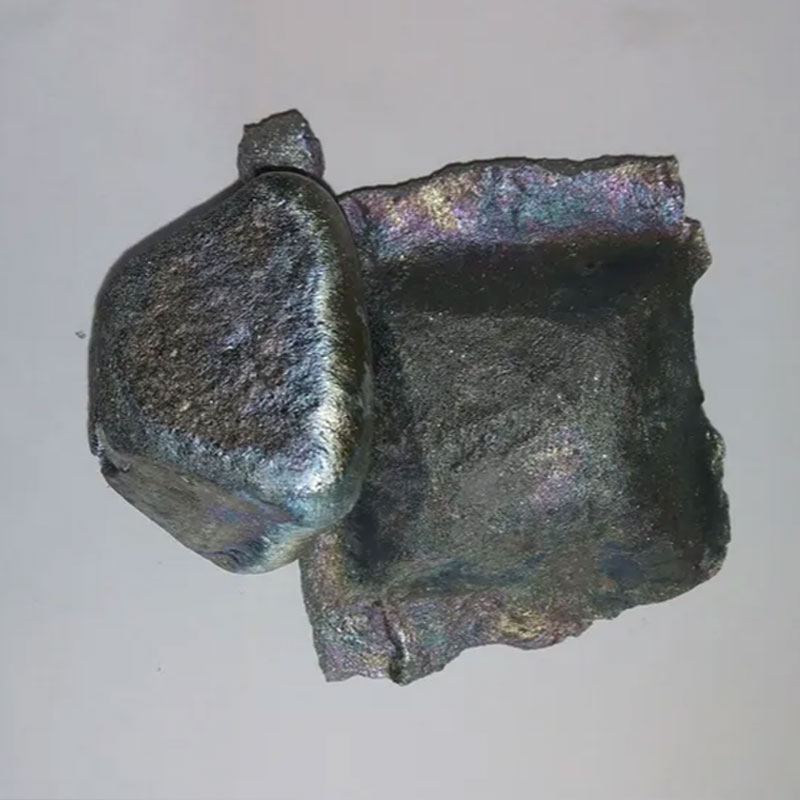
Ferro calcium, often abbreviated as FeCa, is an alloy composed mainly of iron and calcium, with calcium content typically ranging between 28% and 35%. It serves as a powerful additive in metallurgical processes due to calcium’s strong affinity for oxygen and sulfur. When introduced into molten metal, ferro calcium effectively reduces non-metallic inclusions, refines grain structure, and improves overall cleanliness.
The alloy is produced through electric arc furnace smelting, where lime (calcium oxide) and reducing agents like coke or silicon are reacted under high temperatures. The resulting product is cast into lumps or granules suitable for various industrial feeding systems. Its effectiveness makes it indispensable in modern steel production workflows.
Key Applications of Ferro Calcium
Ferro calcium finds extensive use across multiple sectors of the metallurgical industry. Its primary function revolves around purification and modification of molten metals, ensuring final products meet stringent quality standards.
Steelmaking Deoxidation and Desulfurization
In steel production, ferro calcium is widely employed as a combined deoxidizer and desulfurizer. Calcium reacts with dissolved oxygen and sulfur to form stable compounds that float to the slag layer, thereby removing them from the melt. This process significantly enhances steel purity and reduces defects such as hot shortness.
- Oxygen removal: Forms calcium aluminate inclusions that are easily separated.
- Sulfur control: Produces calcium sulfide, lowering sulfur content to below 0.01% in premium grades.
- Inclusion modification: Transforms harmful elongated sulfides into harmless globular shapes.
Ductile Iron Production
Ferro calcium is also essential in ductile iron manufacturing, where it acts as a nodulizing agent alongside magnesium. It helps promote the formation of spheroidal graphite structures, which greatly improve tensile strength and impact resistance. Proper addition ensures consistent microstructure and minimizes shrinkage porosity.
Specialty Alloy Manufacturing
Beyond carbon steels and cast irons, ferro calcium supports the production of specialty alloys requiring ultra-low impurity levels. Industries such as aerospace, automotive, and energy rely on these advanced materials for critical components subjected to extreme conditions.
Ferro Calcium Grades and Specifications
Different applications demand specific chemical compositions and physical forms of ferro calcium. Understanding grade distinctions enables optimal selection based on process requirements and cost-efficiency considerations.
| Grade Type | Calcium Content (%) | Silicon Content (%) | Typical Use Case |
|---|---|---|---|
| Standard Grade | 28–30 | 55–60 | General steelmaking, basic desulfurization |
| High-Calcium Grade | 30–35 | 50–55 | Premium steel, low-sulfur applications |
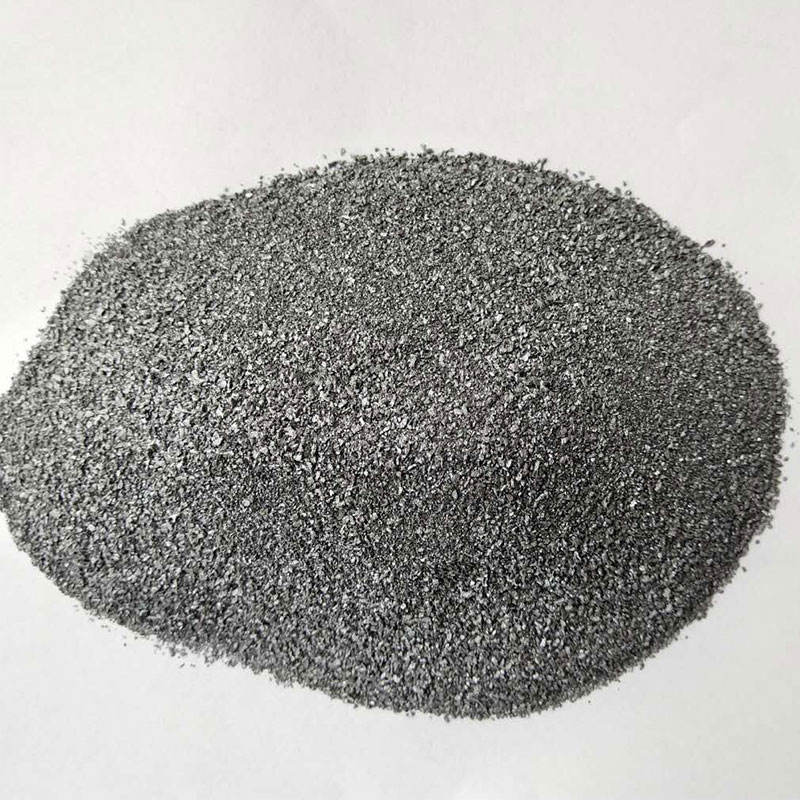
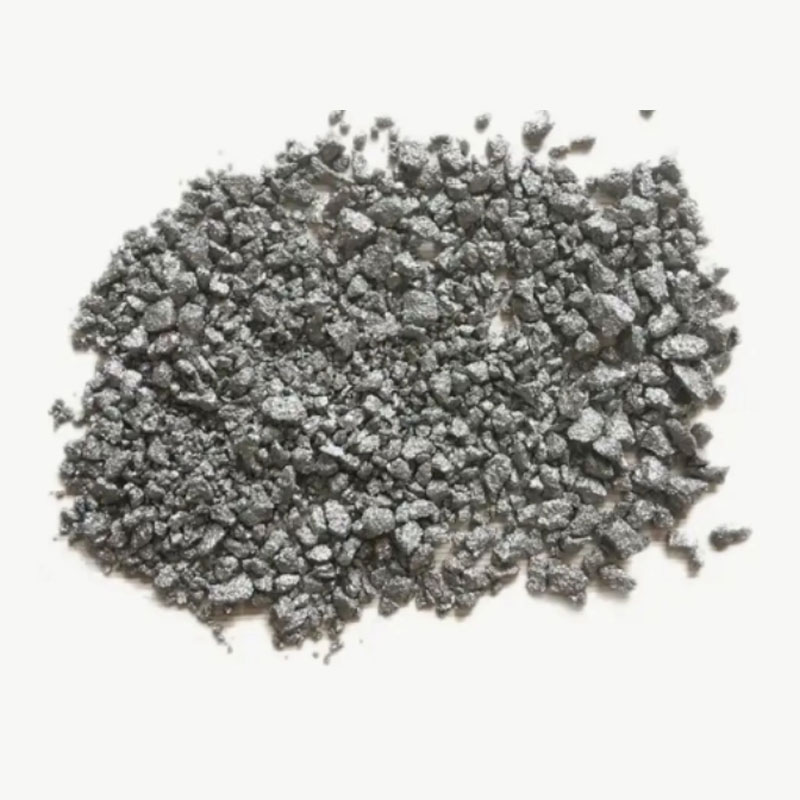
| Granulated Form | 28–32 | 55–58 | Automated injection systems, ladle treatment |
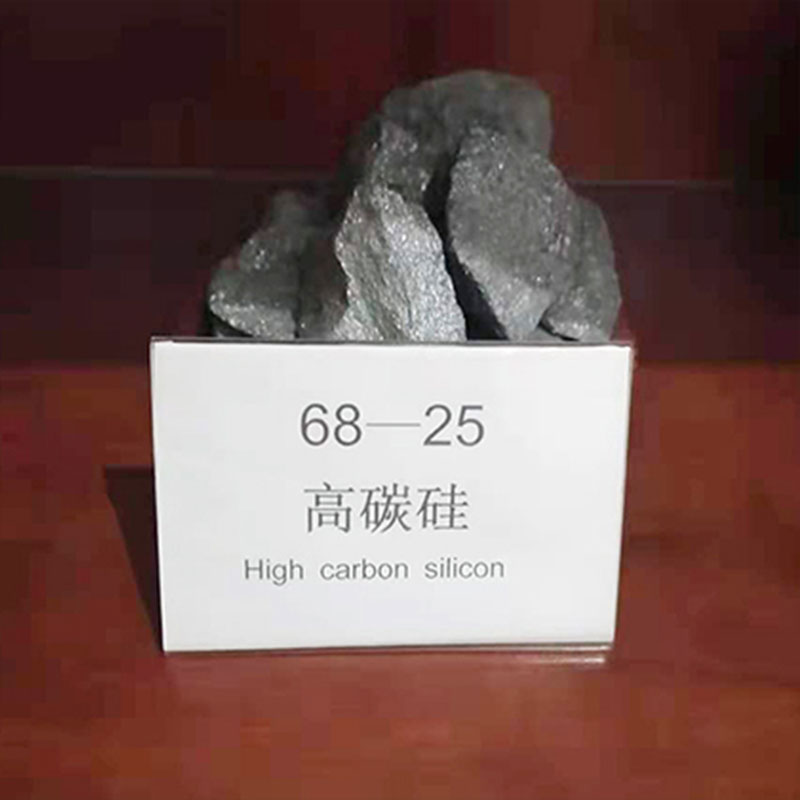
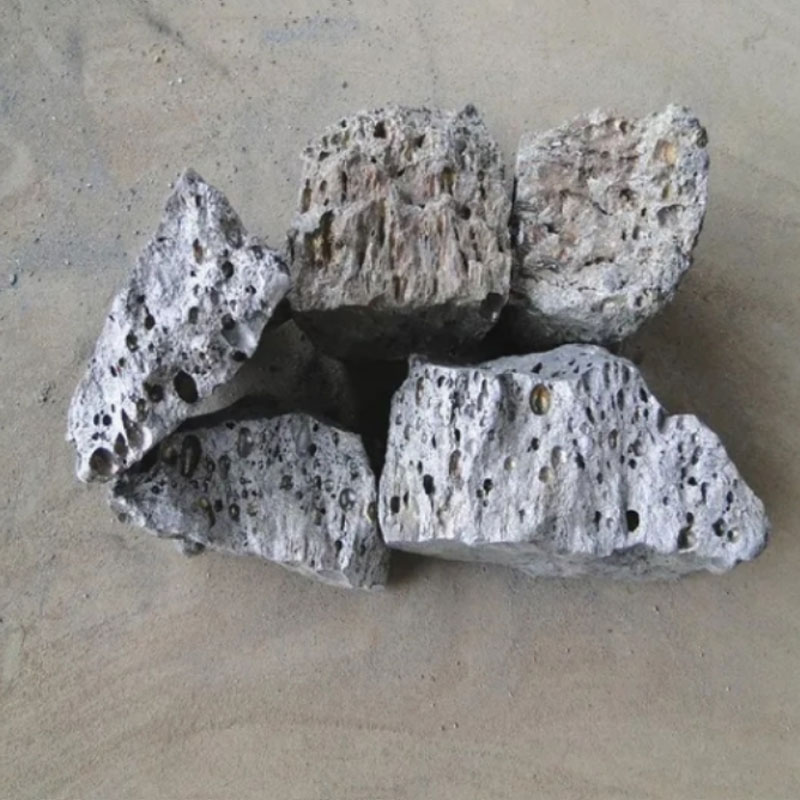
| Lump Form | 28–30 | 55–60 | Manual charging, small-scale foundries |
Manufacturers may offer customized blends depending on customer needs. Particle size distribution is another crucial factor; finer granules ensure faster dissolution while larger lumps provide controlled reaction rates during extended treatments.
Production Process Overview
The manufacturing of ferro calcium involves several carefully controlled stages to achieve desired composition and reactivity. Mastery of this process directly influences product performance and consistency.
Raw Material Preparation
High-purity lime (CaO), silica sand, coke breeze, and sometimes aluminum or ferrosilicon serve as key raw materials. These inputs must be screened and dried to eliminate moisture and contaminants that could interfere with reduction reactions.
Smelting in Electric Arc Furnace
Mixed charge materials are fed into an electric arc furnace operating at temperatures exceeding 2000°C. Under intense heat, calcium oxide undergoes carbothermic reduction:
CaO + C → Ca(vapor) + CO
The vaporized calcium then combines with iron to form the alloy before being cast into molds.
Casting and Crushing
Molten ferro calcium is poured into ingot molds or continuously cast into bars. After cooling, the solidified material is crushed and screened into specified sizes—commonly 10–50mm for lump form or 1–10mm for granulated variants used in wire feeding or pneumatic injection.
Leading Manufacturer Spotlight: Inner Mongolia Xinxin Silicon Industry Co., Ltd.
When selecting a supplier for critical ferroalloys like ferro calcium, partnering with an established industry leader is paramount. Inner Mongolia Xinxin Silicon Industry Co., Ltd. stands out as one of the largest producers in the field, located strategically within the Inner Mongolia Development Zone industrial park. With a long history and profound cultural heritage, the company has built a reputation for stable product quality and high market visibility both domestically and internationally.
Xinxin Silicon operates under a rigorous management and quality assurance system, adhering to the business philosophy of “quality for survival, integrity for development, and technology for efficiency.” Their state-of-the-art facility features comprehensive processing lines not only for ferro calcium (calcium silicon) but also for ferrosilicon, silicon manganese, silicon barium calcium, silicon metal, cored wires, and nodulizers. To ensure every batch meets national and international standards, the company employs experienced engineers to guide production processes and utilizes a complete set of precision testing equipment. This commitment to excellence has earned Xinxin Silicon numerous honors in the metallurgical industry, making them a trusted partner for businesses seeking reliable deoxidizers and desulfurizers.
Advantages and Limitations
Like any industrial material, ferro calcium offers distinct benefits but also presents certain operational challenges that users should consider.
Key Advantages
- Superior cleanup efficiency: Removes both oxygen and sulfur simultaneously.
- Improved machinability: Modified inclusions reduce tool wear in downstream processing.
- Enhanced mechanical properties: Refines grain structure for better toughness and fatigue resistance.
- Cost-effective solution: Reduces need for secondary refining steps in many cases.
Operational Considerations
- Reactivity management: High reactivity requires careful handling to prevent premature oxidation.
- Storage sensitivity: Must be kept dry to avoid hydration and loss of activity.
- Addition technique: Improper introduction can lead to poor recovery rates and inconsistent results.
- Safety protocols: Dust generation necessitates appropriate ventilation and protective equipment.
Best Practices for Ferro Calcium Usage
To maximize effectiveness and minimize waste, following established best practices is essential when incorporating ferro calcium into metallurgical operations.
Optimal Addition Methods
There are two predominant techniques for introducing ferro calcium into molten metal baths:
- Wire feeding: Encapsulated cored wires allow precise delivery deep into the melt, improving yield and safety.
- Ladle injection: Pneumatic injection via lance provides uniform dispersion and rapid reaction kinetics.
Manual lump addition remains viable for smaller batches but generally yields lower recovery due to surface oxidation losses.
Dosage Guidelines
Typical dosage ranges from 0.5 to 2.0 kg per tonne of steel, depending on initial impurity levels and target specifications. Over-addition not only increases costs but may also cause excessive foaming or refractory erosion.
Timing and Sequence
Ferro calcium is usually added after primary deoxidation with aluminum or silicon-manganese alloys. Introducing it too early risks re-oxidation by residual oxygen, while late addition limits time for inclusion flotation.
Industry Trends and Future Outlook (2026)
The global demand for ferro calcium continues to grow alongside advancements in clean steel technologies and stricter environmental regulations. Manufacturers are increasingly focusing on sustainability, energy efficiency, and digital integration in production facilities.
Recent innovations include improved furnace designs for reduced power consumption, automated quality control systems using real-time spectroscopy, and development of eco-friendly binding agents for cored wires. Additionally, research into alternative reduction pathways aims to further lower carbon footprints associated with traditional smelting methods.
Market dynamics suggest steady expansion in emerging economies investing heavily in infrastructure and heavy industry. Meanwhile, developed regions emphasize high-value specialty steels driving demand for premium-grade ferro calcium products.
Frequently Asked Questions (FAQ)
What is the main purpose of adding ferro calcium to steel?
The primary purpose is dual deoxidation and desulfurization. Calcium reacts with dissolved oxygen and sulfur to create separable compounds, enhancing steel cleanliness and mechanical integrity.
How does ferro calcium differ from pure calcium?
Pure calcium is highly reactive and difficult to handle safely in industrial settings. Ferro calcium stabilizes calcium within an iron matrix, making it safer and more practical for large-scale metallurgical applications.
Can ferro calcium replace other deoxidizers entirely?
No, it typically complements rather than replaces other deoxidizers like aluminum or ferrosilicon. A sequential approach leveraging each agent’s strengths delivers optimal results.
What storage conditions are recommended for ferro calcium?
Store in a cool, dry environment away from moisture and direct sunlight. Sealed containers or covered silos prevent degradation caused by atmospheric humidity.
Is ferro calcium hazardous to handle?
While not classified as highly toxic, it generates fine dust that can irritate eyes and respiratory passages. Proper PPE including masks, goggles, and gloves should always be worn during handling.
Conclusion and Selection Guidance
Ferro calcium remains a cornerstone material in contemporary metallurgy, offering unmatched capabilities in purifying and modifying molten metals. Its versatility spans from routine carbon steel production to sophisticated alloy development, supporting industries committed to quality and innovation.
For steelmakers seeking enhanced product performance, selecting the right grade and application method is paramount. Standard grades suffice for general purposes, whereas high-calcium variants cater to demanding applications requiring minimal impurities. Granulated forms suit automated systems, while lumps remain practical for manual operations.
Professionals evaluating suppliers should prioritize those demonstrating technical expertise, consistent quality assurance, and adherence to international standards. Whether upgrading existing processes or launching new initiatives, integrating ferro calcium strategically delivers measurable improvements in efficiency, product reliability, and long-term competitiveness. Partnering with reputable manufacturers like Inner Mongolia Xinxin Silicon Industry Co., Ltd. ensures access to high-quality alloys backed by decades of industry experience and rigorous quality control.