+86-15134803151
- Chinese
- French
- German
- Portuguese
- Spanish
- Russian
- Japanese
- Korean
- Arabic
- Irish
- Greek
- Turkish
- Italian
- Danish
- Romanian
- Indonesian
- Czech
- Afrikaans
- Swedish
- Polish
- Basque
- Catalan
- Esperanto
- Hindi
- Lao
- Albanian
- Amharic
- Armenian
- Azerbaijani
- Belarusian
- Bengali
- Bosnian
- Bulgarian
- Cebuano
- Chichewa
- Corsican
- Croatian
- Dutch
- Estonian
- Filipino
- Finnish
- Frisian
- Galician
- Georgian
- Gujarati
- Haitian
- Hausa
- Hawaiian
- Hebrew
- Hmong
- Hungarian
- Icelandic
- Igbo
- Javanese
- Kannada
- Kazakh
- Khmer
- Kurdish
- Kyrgyz
- Latin
- Latvian
- Lithuanian
- Luxembou..
- Macedonian
- Malagasy
- Malay
- Malayalam
- Maltese
- Maori
- Marathi
- Mongolian
- Burmese
- Nepali
- Norwegian
- Pashto
- Persian
- Punjabi
- Serbian
- Sesotho
- Sinhala
- Slovak
- Slovenian
- Somali
- Samoan
- Scots Gaelic
- Shona
- Sindhi
- Sundanese
- Swahili
- Tajik
- Tamil
- Telugu
- Thai
- Ukrainian
- Urdu
- Uzbek
- Vietnamese
- Welsh
- Xhosa
- Yiddish
- Yoruba
- Zulu
- Kinyarwanda
- Tatar
- Oriya
- Turkmen
- Uyghur



Calcium Silicon 60 30 Explained: Composition, Uses & Expert Guide
2026-05-20
- What is Calcium Silicon 60 30?
- Detailed Chemical Composition and Specifications
- Core Functions in Steelmaking and Foundry Applications
- Operational Advantages of High-Calcium Grades
- Comparison: Calcium Silicon 60 30 vs. Standard Grades
- Handling, Storage, and Safety Protocols
- Step-by-Step Guide for Optimal Application
- Industry Trends and Future Outlook
- Frequently Asked Questions (FAQ)
- Conclusion and Strategic Recommendations
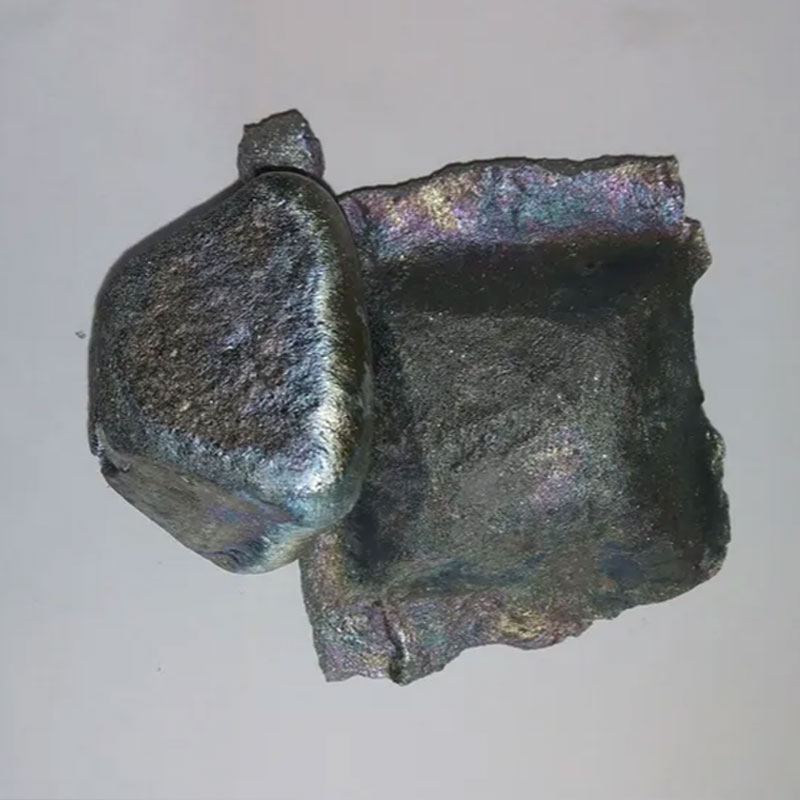
Calcium Silicon 60 30 is a specialized ferroalloy composed primarily of approximately 60% calcium and 30% silicon, with the remainder consisting of iron and trace elements. This unique composition makes it an essential deoxidizer and desulfurizer in modern steelmaking and foundry industries. By introducing this alloy into molten metal, manufacturers achieve superior cleanliness, improved mechanical properties, and enhanced castability. Its high calcium content ensures effective modification of non-metallic inclusions, while the silicon matrix provides thermal stability during the injection process.
What is Calcium Silicon 60 30?
Calcium Silicon 60 30 represents a high-grade variant within the family of calcium-silicon alloys. Unlike standard grades that may contain lower calcium percentages, this specific formulation is engineered for applications demanding maximum efficiency in inclusion control. The “60 30” designation refers to the nominal weight percentage of its two primary active components: calcium and silicon.
In the context of metallurgy, this alloy serves as a powerful composite agent. It combines the strong deoxidizing capability of silicon with the potent desulfurizing and inclusion-modifying power of calcium. When added to molten steel or iron, it reacts rapidly to remove dissolved oxygen and sulfur, which are detrimental to the final product’s integrity.
The production of Calcium Silicon 60 30 involves sophisticated smelting techniques to ensure the high calcium retention that distinguishes it from lower-grade alternatives. This high concentration allows for reduced consumption rates per ton of steel produced, offering both economic and environmental benefits to industrial operations. Achieving such precise specifications requires not only advanced technology but also a manufacturer with deep industry expertise and rigorous quality controls.
The Critical Role of Composition
The precise balance of elements in this alloy is not arbitrary; it is the result of extensive metallurgical research. The high calcium level (around 60%) is crucial because calcium has a very high affinity for oxygen and sulfur. However, pure calcium has a low boiling point, making it difficult to introduce into molten steel without vaporizing prematurely.
The silicon component (approximately 30%) acts as a stabilizer. It lowers the activity of calcium, allowing it to dissolve more effectively into the melt rather than escaping as gas. This synergy ensures that the reactive elements reach the depths of the ladle where they are needed most.
- Calcium (Ca): Primary agent for desulfurization and modifying alumina inclusions into liquid calcium aluminates.
- Silicon (Si): Provides deoxidation support and stabilizes the calcium for better yield.
- Iron (Fe): Acts as the balance element, facilitating the alloy’s structural integrity and handling characteristics.
Detailed Chemical Composition and Specifications
Understanding the exact chemical makeup of Calcium Silicon 60 30 is vital for quality control and process optimization. While nominal values are 60% Ca and 30% Si, actual industrial specifications allow for slight variations depending on the manufacturing batch and specific customer requirements. Industry standards generally dictate tight tolerances to ensure consistent performance.
The remaining portion of the alloy consists mainly of iron, along with controlled limits on impurities such as carbon, aluminum, and phosphorus. Keeping these impurities low is essential, especially when producing high-purity steels or sensitive automotive grades where trace elements can compromise fatigue life or weldability.
Typical Analysis Range
Manufacturers adhere to strict internal controls to maintain the reputation of this premium alloy. The following table outlines the typical chemical composition expected from high-quality Calcium Silicon 60 30 supplies currently available in the global market.
| Element | Nominal Content (%) | Typical Range (%) | Function |
|---|---|---|---|
| Calcium (Ca) | 60 | 58 – 62 | Desulfurization, Inclusion Modification |
| Silicon (Si) | 30 | 28 – 32 | Deoxidation, Stabilization |
| Iron (Fe) | Balance | 8 – 14 | Carrier Matrix |
| Aluminum (Al) | < 1.5 | 0.5 – 1.5 | Secondary Deoxidizer (Controlled) |
| Carbon (C) | < 1.0 | 0.2 – 0.8 | Impurity Limit |
| Phosphorus (P) | < 0.05 | < 0.04 | Impurity Limit |
It is important to note that the high calcium content makes this alloy highly reactive to moisture. Therefore, proper storage conditions are mandatory to prevent degradation before use. Exposure to humidity can lead to the formation of calcium hydroxide and hydrogen gas, posing safety risks and reducing the alloy’s effectiveness.
Core Functions in Steelmaking and Foundry Applications
The application of Calcium Silicon 60 30 spans various stages of metal production, from primary steelmaking to secondary refining and casting. Its versatility stems from its dual ability to clean the melt and modify the morphology of remaining inclusions. These functions are critical for producing high-performance materials used in infrastructure, automotive, and energy sectors.
Advanced Deoxidation Capabilities
Oxygen dissolved in molten steel can lead to porosity, reduced toughness, and surface defects in the final product. Silicon is a well-known deoxidizer, but when combined with high levels of calcium, the deoxidation process becomes more comprehensive. The alloy removes oxygen efficiently, forming stable oxides that can be easily separated from the melt.
Furthermore, the deoxidation products formed by Calcium Silicon 60 30 tend to have lower melting points compared to those formed by aluminum alone. This prevents the clogging of nozzles during continuous casting, a common operational challenge in high-speed steel plants.
Effective Desulfurization
Sulfur is often considered a tramp element in steel, causing hot shortness and reducing ductility. Calcium has an extremely high affinity for sulfur. When Calcium Silicon 60 30 is injected, the calcium reacts with dissolved sulfur to form calcium sulfide (CaS).
These sulfide inclusions are solid at steelmaking temperatures but can be floated out into the slag layer. The high calcium content in the 60-30 grade ensures that even in low-sulfur steel grades, the reaction proceeds to completion, helping manufacturers meet stringent specification limits for sulfur content.
Inclusion Morphology Control
Perhaps the most significant advantage of using this high-calcium alloy is inclusion modification. In untreated steel, hard, angular alumina (Al2O3) inclusions can act as stress concentrators, leading to premature failure under cyclic loading.
The calcium from the alloy reacts with these solid alumina clusters to transform them into liquid calcium aluminates. These liquid inclusions are spherical and deformable during rolling processes. This transformation dramatically improves the fatigue resistance, toughness, and machinability of the final steel product.
Operational Advantages of High-Calcium Grades
Choosing Calcium Silicon 60 30 over lower-calcium alternatives offers distinct operational advantages. While the initial cost per ton might be higher, the overall cost-effectiveness is often superior due to higher yield and better process control. Industries increasingly favor this grade for premium steel production.
Improved Yield and Efficiency
The high concentration of active calcium means that less alloy is required to achieve the same metallurgical results. This reduces the total volume of additives introduced into the ladle, minimizing temperature loss and slag volume.
Moreover, the optimized silicon-to-calcium ratio enhances the dissolution rate of the alloy. Better dissolution translates to higher recovery rates of calcium, ensuring that more of the expensive element participates in the desired reactions rather than being lost to oxidation or vaporization.
Enhanced Castability
Clogging of submerged entry nozzles (SEN) is a major bottleneck in continuous casting operations. Hard alumina inclusions accumulate on the nozzle walls, restricting flow and forcing unplanned shutdowns for nozzle changes.
By effectively modifying inclusions into liquid forms, Calcium Silicon 60 30 significantly reduces the risk of nozzle clogging. This leads to longer casting sequences, improved productivity, and reduced downtime, which are critical metrics for modern steel mills operating on tight schedules.
Superior Mechanical Properties
The end benefit of using this alloy is reflected in the quality of the finished steel. Components manufactured from calcium-treated steel exhibit superior transverse toughness and ductility. This is particularly important for plates and pipes that must withstand harsh environments or high pressures.
- Fatigue Life: Spherical inclusions reduce crack initiation sites, extending the service life of dynamic components like gears and bearings.
- Machinability: Controlled inclusion types can improve chip breaking during machining operations, enhancing tool life and surface finish.
- Weldability: Lower sulfur and oxygen levels contribute to cleaner weld zones with fewer defects.
Comparison: Calcium Silicon 60 30 vs. Standard Grades
To fully appreciate the value proposition of Calcium Silicon 60 30, it is helpful to compare it with standard calcium-silicon alloys commonly found in the market, such as CaSi 50-30 or CaSi 30-60. The differences lie primarily in the calcium content and the resulting application suitability.
| Feature | Calcium Silicon 60 30 | Standard CaSi (e.g., 30-60) | Impact on Production |
|---|---|---|---|
| Calcium Content | High (~60%) | Moderate/Low (~30%) | Higher desulfurization potential per kg. |
| Primary Use Case | Premium steel, Low sulfur targets | General purpose steel, Deoxidation | Enables production of stricter grades. |
| Inclusion Modification | Excellent (Liquid aluminates) | Good (Partial modification) | Better fatigue resistance and castability. |
| Consumption Rate | Lower (due to high potency) | Higher | Reduced logistical handling and slag. |
| Cost Efficiency | High for specialized apps | High for general apps | Optimized total cost for high-value products. |
While standard grades are sufficient for ordinary construction steel, Calcium Silicon 60 30 is the preferred choice for automotive sheets, line pipes, and pressure vessels where failure is not an option. The ability to consistently hit low sulfur targets makes it indispensable for advanced manufacturing.
Handling, Storage, and Safety Protocols
Due to its high reactivity, particularly the high calcium content, Calcium Silicon 60 30 requires careful handling and storage. Improper management can lead to safety hazards including fire, explosion, and the release of toxic gases. Adhering to strict safety protocols is non-negotiable for any facility utilizing this material.
Moisture Sensitivity and Storage
Calcium reacts vigorously with water to produce hydrogen gas and heat. If the alloy absorbs moisture from the air, it can self-heat and potentially ignite. Therefore, storage areas must be kept strictly dry, cool, and well-ventilated.
Containers should be sealed tightly immediately after use. Many suppliers provide the alloy in hermetically sealed drums or moisture-proof bags to preserve quality during transit. Once opened, the material should be used promptly or resealed under inert conditions if possible.
Safe Injection Practices
In the steel plant, the alloy is typically injected into the ladle using a wire feeding method or a powder injection lance. The injection speed and depth must be controlled to ensure the alloy dissolves at the optimal depth within the molten bath.
Operators must wear appropriate personal protective equipment (PPE), including face shields, heat-resistant gloves, and flame-retardant clothing. Dust generated during handling can be irritating to the respiratory system and eyes, so local exhaust ventilation and dust masks are essential.
Emergency Response
In the event of a fire involving Calcium Silicon 60 30, water must never be used as an extinguishing agent, as it will exacerbate the reaction. Class D fire extinguishers designed for metal fires, or dry sand, should be employed to smother the flames. Emergency response teams should be trained specifically in handling reactive metal fires.
Step-by-Step Guide for Optimal Application
Achieving the best results with Calcium Silicon 60 30 requires a systematic approach to addition. The timing, method, and quantity of the alloy added directly influence the yield and the final steel quality. The following steps outline the industry-standard procedure for wire feeding, which is the most common application method.
Preparation Phase
Before the addition, ensure the steel bath has been adequately pre-deoxidized, usually with aluminum, to reduce the initial oxygen load. The slag condition should also be optimized; a basic slag with low oxidicity promotes better calcium recovery. Check the wire feeder equipment for smooth operation and calibrate the feed speed settings.
Injection Process
- Temperature Verification: Confirm the molten steel temperature is within the target range (typically 1550°C – 1600°C). Temperatures that are too low may cause premature freezing of the alloy, while excessively high temperatures increase calcium vaporization.
- Wire Feeding Initiation: Insert the cored wire containing Calcium Silicon 60 30 into the molten steel through the wire feeder. The wire should be fed vertically into the eye of the vortex created by argon stirring.
- Speed Control: Maintain a steady feed rate. The speed should be fast enough to penetrate the slag and reach the lower third of the ladle but slow enough to allow complete dissolution before exiting the bath. Typical speeds range from 3 to 6 meters per second, depending on ladle depth.
- Argon Stirring: Simultaneously apply gentle argon bottom stirring. This homogenizes the temperature and composition, ensuring the calcium distributes evenly throughout the melt without exposing the surface to excessive air.
Post-Treatment and Sampling
After the full length of wire is consumed, continue argon stirring for a few minutes to allow inclusions to float up into the slag. Take a sample for chemical analysis to verify calcium and sulfur levels. If the target is not met, a calculated second addition may be performed, though single-shot efficiency is the goal.
Finally, skim off the top slag to remove the absorbed inclusions and sulfides before casting. This step is crucial to prevent re-contamination of the clean steel during the pouring process.
Industry Trends and Future Outlook
The demand for Calcium Silicon 60 30 is closely tied to the evolving requirements of the global steel industry. As automotive manufacturers push for lighter, stronger vehicles to improve fuel efficiency and reduce emissions, the need for high-cleanliness steel continues to grow.
Recent trends indicate a shift towards even tighter control of inclusion morphology. Research is ongoing to refine the granular structure of the alloy itself, aiming for faster dissolution rates and even higher calcium yields. Additionally, environmental regulations are driving the adoption of cleaner production methods for the alloy itself, reducing the carbon footprint of its manufacturing process.
Furthermore, the expansion of renewable energy infrastructure, such as wind turbines and high-pressure hydrogen pipelines, relies heavily on steels with exceptional toughness and resistance to hydrogen embrittlement. Calcium Silicon 60 30 plays a pivotal role in producing these specialized materials, suggesting a robust long-term outlook for this high-grade ferroalloy.
Frequently Asked Questions (FAQ)
This section addresses common inquiries regarding the properties, usage, and benefits of Calcium Silicon 60 30, providing quick answers for engineers and procurement specialists.
Why choose 60% Calcium over lower grades?
The primary reason is efficiency. A 60% calcium alloy delivers nearly double the active calcium per kilogram compared to a 30% grade. This is critical for deep desulfurization and complete inclusion modification in high-quality steels. It reduces the total amount of solid material added to the ladle, minimizing temperature drop and slag volume.
Can Calcium Silicon 60 30 be used in iron casting?
Yes, it is widely used in the foundry industry, particularly for ductile iron and gray iron. In these applications, it acts as an inoculant and nodularizer supplement. It helps refine the graphite structure, improves tensile strength, and reduces the tendency for chill formation in thin sections.
What is the shelf life of this alloy?
If stored in a perfectly dry, sealed environment, Calcium Silicon 60 30 can remain stable indefinitely. However, once the packaging is compromised, exposure to atmospheric humidity begins to degrade the quality immediately. It is recommended to use opened containers within a few days and to store unopened drums in climate-controlled warehouses.
Does this alloy affect the nitrogen content of steel?
Calcium has a moderate affinity for nitrogen. While its primary function is deoxidation and desulfurization, the addition of Calcium Silicon 60 30 can help fix some nitrogen as stable nitrides. However, for strict nitrogen control, specific measures regarding atmospheric shielding during tapping are more influential than the alloy addition itself.
Is special equipment required for handling?
Standard wire feeding machines used for other cored wires are compatible with Calcium Silicon 60 30. No specialized equipment is needed beyond what is typical for secondary metallurgy. However, the storage facility must have strict moisture control systems, and personnel must be trained in handling reactive metals safely.
Conclusion and Strategic Recommendations
Calcium Silicon 60 30 stands as a cornerstone material in the production of advanced steels and high-performance irons. Its unique composition, characterized by a high calcium content of approximately 60% and a stabilizing 30% silicon, provides unmatched capabilities in deoxidation, desulfurization, and inclusion morphology control. For manufacturers aiming to produce clean steel with superior mechanical properties, this alloy is not just an additive but a strategic enabler.
The evidence clearly shows that transitioning to or optimizing the use of this high-grade alloy results in tangible benefits: extended nozzle life during casting, improved fatigue resistance in final products, and greater consistency in meeting tight chemical specifications. While it demands rigorous handling and storage protocols due to its reactivity, the operational gains far outweigh the logistical considerations.
Who Should Use This Product?
This premium alloy is ideally suited for:
- Integrated Steel Mills: Producing automotive exposed sheets, line pipes, and pressure vessel plates.
- Specialty Foundries: Manufacturing high-strength ductile iron components for heavy machinery and automotive engines.
- Quality-Focused Producers: Any facility where fatigue life, toughness, and cleanliness are critical differentiators in the marketplace.
Partnering for Quality: Inner Mongolia Xinxin Silicon Industry Co., Ltd.
Selecting the right supplier is as critical as selecting the right alloy grade. Inner Mongolia Xinxin Silicon Industry Co., Ltd. stands out as one of the largest and most reputable producers in the field, located in the Industrial Park of the Inner Mongolia Development Zone. With a long history and profound cultural heritage, the company has built a solid reputation for stable product quality, selling successfully both domestically and internationally.
Xinxin Silicon operates under a perfect management and quality assurance system, adhering to the business philosophy of “quality for survival, integrity for development, and technology for efficiency.” Their facility is equipped with comprehensive processing lines for various alloys—including molybdenum, titanium, nitrogen, chromium, aluminum, composite deoxidizers, and desulfurizers—alongside a complete set of precision testing instruments. To ensure every batch of Calcium Silicon 60 30, ferrosilicon, silicon manganese, silicon barium calcium, silicon metal, cored wire, and nodulizers meets national standards, experienced engineers guide the production process directly.
Having passed rigorous inspections by the Quality and Technical Supervision Bureau and won numerous honors in the metallurgical industry, Inner Mongolia Xinxin Silicon Industry Co., Ltd. offers the reliability and technical expertise necessary for manufacturers who cannot compromise on steel quality.
Next Steps for Implementation
If your operation is looking to enhance steel cleanliness or troubleshoot inclusion-related defects, evaluating the integration of Calcium Silicon 60 30 is a logical next step. Begin by auditing your current inclusion modification practices and comparing them against the potential yield improvements offered by this high-calcium grade. Consult with your metallurgical team to calculate the optimal wire feed rates and conduct trial heats to quantify the benefits in your specific process environment. Prioritizing high-purity inputs from trusted partners like Xinxin Silicon is a proven pathway to achieving excellence in modern metallurgy.