+86-15134803151
- English
- Chinese
- French
- German
- Portuguese
- Spanish
- Russian
- Japanese
- Korean
- Arabic
- Irish
- Greek
- Turkish
- Italian
- Danish
- Romanian
- Indonesian
- Czech
- Afrikaans
- Swedish
- Polish
- Basque
- Catalan
- Esperanto
- Hindi
- Lao
- Albanian
- Amharic
- Armenian
- Azerbaijani
- Belarusian
- Bengali
- Bosnian
- Bulgarian
- Cebuano
- Chichewa
- Corsican
- Croatian
- Dutch
- Estonian
- Filipino
- Finnish
- Frisian
- Galician
- Georgian
- Gujarati
- Haitian
- Hausa
- Hawaiian
- Hebrew
- Hmong
- Hungarian
- Icelandic
- Igbo
- Javanese
- Kannada
- Kazakh
- Khmer
- Kurdish
- Kyrgyz
- Latin
- Latvian
- Lithuanian
- Luxembou..
- Macedonian
- Malagasy
- Malay
- Malayalam
- Maltese
- Maori
- Marathi
- Mongolian
- Burmese
- Nepali
- Norwegian
- Pashto
- Persian
- Punjabi
- Serbian
- Sesotho
- Sinhala
- Slovak
- Slovenian
- Somali
- Scots Gaelic
- Shona
- Sindhi
- Sundanese
- Swahili
- Tajik
- Tamil
- Telugu
- Thai
- Ukrainian
- Urdu
- Uzbek
- Vietnamese
- Welsh
- Xhosa
- Yiddish
- Yoruba
- Zulu
- Kinyarwanda
- Tatar
- Oriya
- Turkmen
- Uyghur



Understanding and Utilizing Ferrous Silicon
2025-10-16
Content
Understanding and Utilizing Ferrous Silicon
This comprehensive guide explores ferrous silicon, covering its properties, applications, manufacturing processes, and market considerations. Learn about the different grades of ferrous silicon, its crucial role in various industries, and factors influencing its price and availability. We delve into the technical aspects, providing practical insights for professionals and those seeking a deeper understanding of this essential material.
What is Ferrous Silicon?
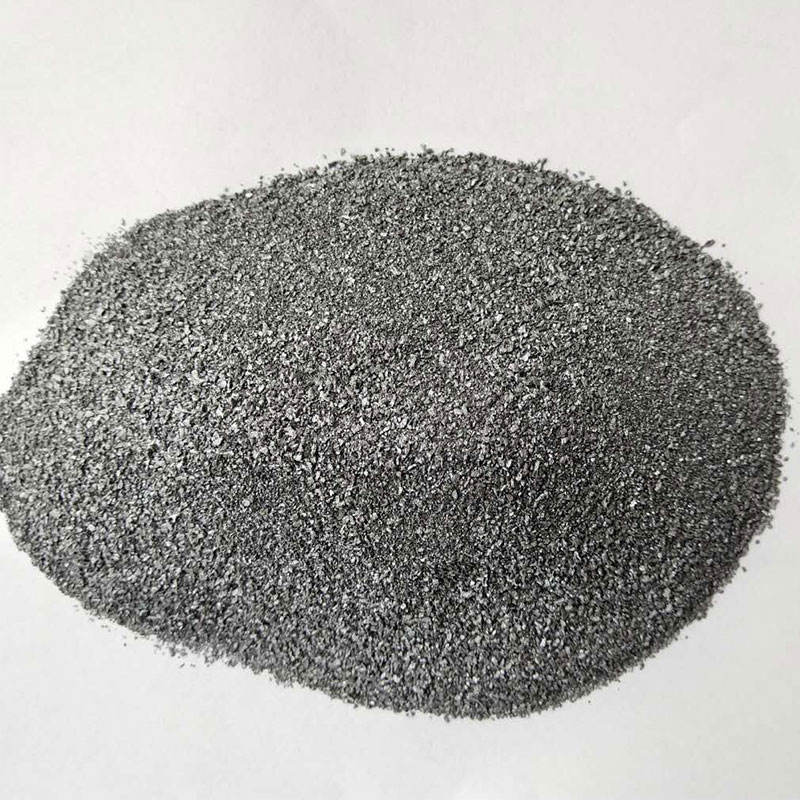
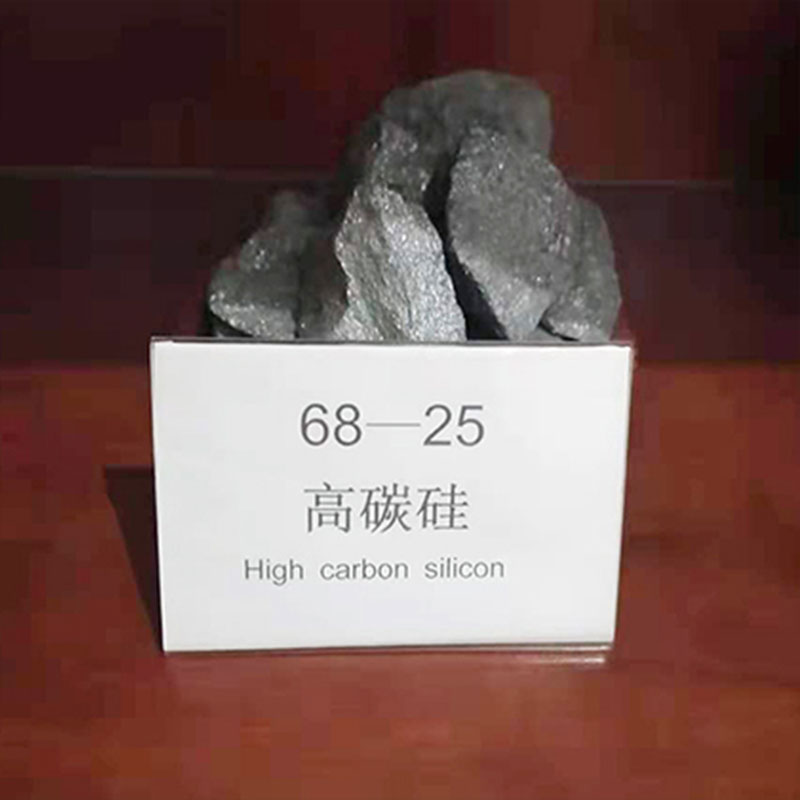
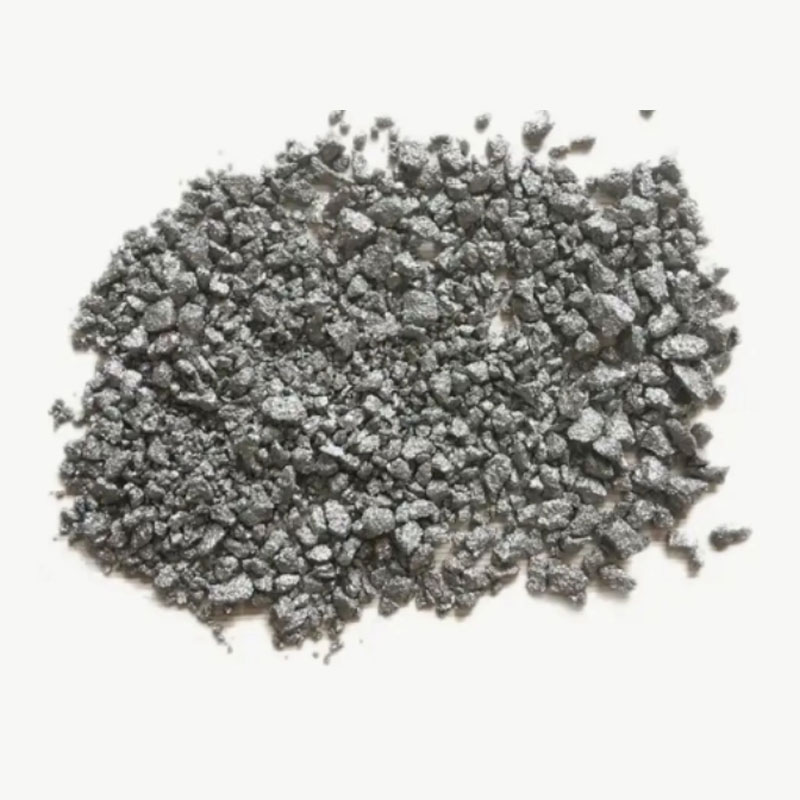
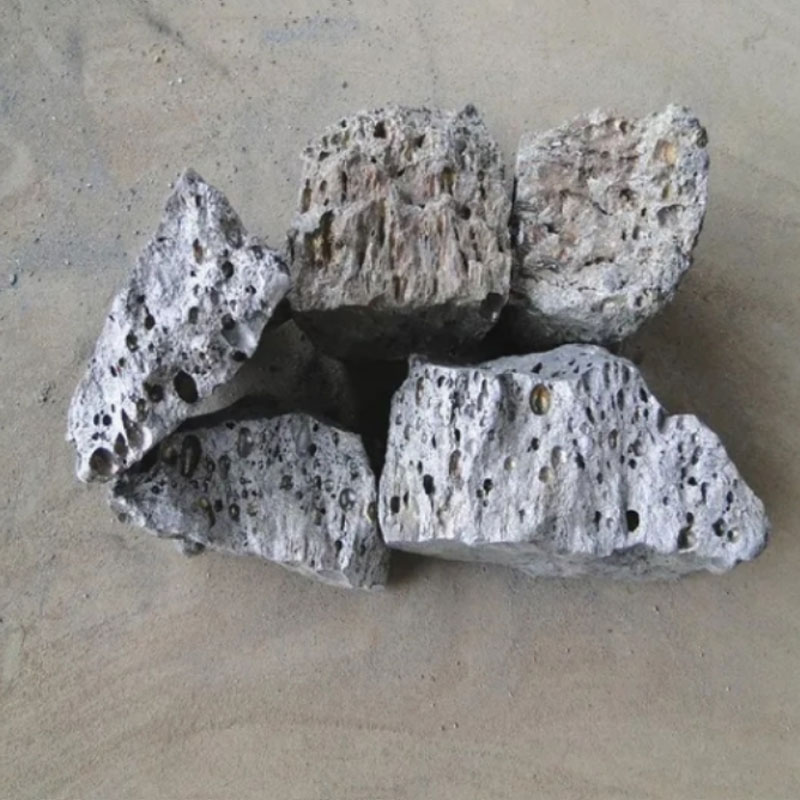
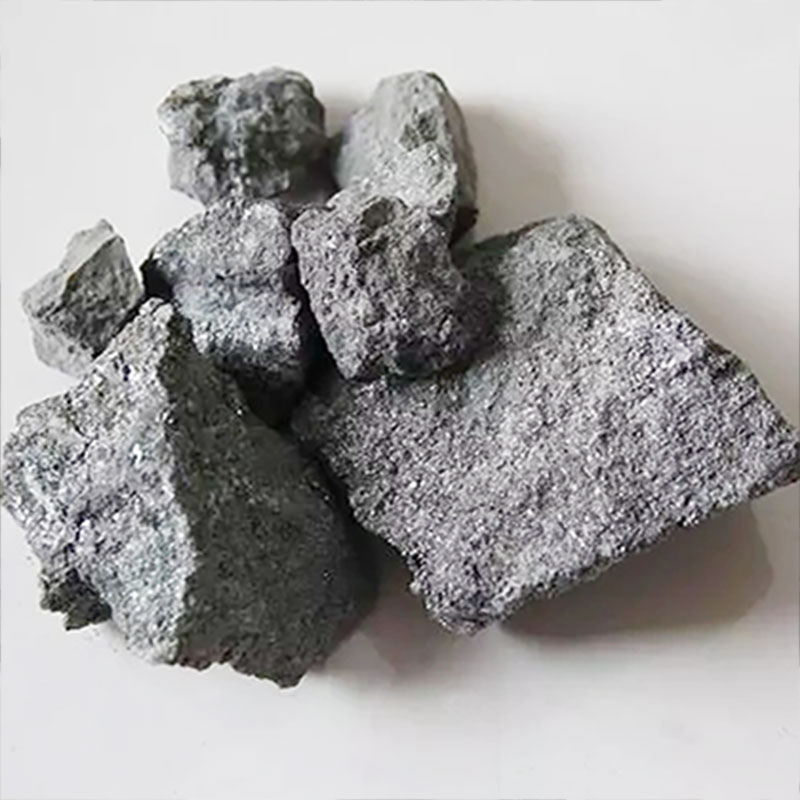
Ferrous silicon (FeSi) is a ferroalloy, an alloy of iron and silicon. Its composition varies, typically ranging from 15% to 90% silicon by weight, with the remainder primarily iron. The precise silicon content determines the grade of ferrous silicon and dictates its specific applications. This versatile material plays a crucial role in various metallurgical processes, primarily as a deoxidizer and alloying agent.
Grades and Specifications of Ferrous Silicon
Ferrous silicon is categorized into various grades based on its silicon content. Common grades include FeSi75, FeSi55, FeSi45, and others. Each grade possesses unique properties and suitability for specific applications. These specifications are critical for ensuring the quality and performance of the material in different industrial processes.
For detailed specifications and grade information, you can consult resources like industry standards and the material datasheets available from reputable suppliers. One such supplier offering high-quality ferrous silicon is Inner Mongolia Xinxin Silicon Industry Co., Ltd. (https://www.xinxinsilicon.com/). They provide various grades of ferrous silicon tailored to meet diverse industrial requirements.
Applications of Ferrous Silicon
Steel Production
One of the primary applications of ferrous silicon is in steelmaking. It acts as a powerful deoxidizer, removing dissolved oxygen from molten steel and preventing the formation of oxides that can compromise the quality and strength of the final product. Additionally, ferrous silicon contributes to improving the steel’s properties, such as its fluidity and castability.
Silicon Metal Production
Ferrous silicon serves as a key raw material in the production of silicon metal. Its high silicon content makes it a cost-effective source of silicon for various metallurgical and chemical processes. The recovery of silicon from ferrous silicon contributes to the efficiency of silicon metal production.
Other Applications
Beyond steelmaking and silicon metal production, ferrous silicon finds applications in other areas, including the production of aluminum alloys, chemical manufacturing (e.g., silicone production), and the creation of certain types of cast iron. Its unique properties make it a valuable material across diverse industries.
Manufacturing Process of Ferrous Silicon
Ferrous silicon is produced in electric arc furnaces using a mixture of high-quality quartz (SiO2) and iron scrap or iron ore as raw materials. The high temperatures in the furnace facilitate the reduction of silica by carbon, resulting in the formation of silicon and iron alloy. The molten ferrous silicon is then cast into various forms, such as lumps, briquettes, or pieces, depending on the desired application and market needs.
Market Trends and Pricing
The market for ferrous silicon is influenced by factors such as global steel production, the price of raw materials (silicon, iron ore, and coke), and overall economic conditions. Demand fluctuations in the steel industry significantly impact the demand for ferrous silicon. Analyzing market trends and price dynamics is essential for businesses involved in the production, trade, and utilization of this crucial material.
Factors Affecting the Quality of Ferrous Silicon
The quality of ferrous silicon is determined by several factors, including the purity of raw materials, the efficiency of the smelting process, and quality control measures throughout production. Impurities in the final product can affect its performance and suitability for specific applications. Careful selection of raw materials and stringent quality control are crucial for producing high-quality ferrous silicon.
Table: Comparison of Common Ferrous Silicon Grades
| Grade | Silicon Content (%) | Typical Applications |
|---|---|---|
| FeSi75 | 75 | Steelmaking, Silicon Metal Production |
| FeSi55 | 55 | Steelmaking, Cast Iron Production |
| FeSi45 | 45 | Steelmaking, Aluminum Alloys |
This information is for general knowledge and should not be considered as professional advice. Always consult with relevant experts and refer to safety data sheets before handling ferrous silicon.