+86-15134803151
- English
- Chinese
- French
- German
- Portuguese
- Spanish
- Russian
- Japanese
- Korean
- Arabic
- Irish
- Greek
- Turkish
- Italian
- Danish
- Romanian
- Indonesian
- Czech
- Afrikaans
- Swedish
- Polish
- Basque
- Catalan
- Esperanto
- Hindi
- Lao
- Albanian
- Amharic
- Armenian
- Azerbaijani
- Belarusian
- Bengali
- Bosnian
- Bulgarian
- Cebuano
- Chichewa
- Corsican
- Croatian
- Dutch
- Estonian
- Filipino
- Finnish
- Frisian
- Galician
- Georgian
- Gujarati
- Haitian
- Hausa
- Hawaiian
- Hebrew
- Hmong
- Hungarian
- Icelandic
- Igbo
- Javanese
- Kannada
- Kazakh
- Khmer
- Kurdish
- Kyrgyz
- Latin
- Latvian
- Lithuanian
- Luxembou..
- Macedonian
- Malagasy
- Malay
- Malayalam
- Maltese
- Maori
- Marathi
- Mongolian
- Burmese
- Nepali
- Norwegian
- Pashto
- Persian
- Punjabi
- Serbian
- Sesotho
- Sinhala
- Slovak
- Slovenian
- Somali
- Scots Gaelic
- Shona
- Sindhi
- Sundanese
- Swahili
- Tajik
- Tamil
- Telugu
- Thai
- Ukrainian
- Urdu
- Uzbek
- Vietnamese
- Welsh
- Xhosa
- Yiddish
- Yoruba
- Zulu
- Kinyarwanda
- Tatar
- Oriya
- Turkmen
- Uyghur



Silico Manganese Price per Ton: 2026 Guide & Expert Analysis
2026-06-20
- Understanding Silico Manganese: Composition and Market Role
- Core Factors Influencing Silico Manganese Price Per Ton
- Historical Price Trends and 2026 Market Outlook
- Comparative Analysis: Silico Manganese vs. Alternative Ferroalloys
- Strategic Procurement: How to Navigate Price Fluctuations
- Quality Standards and Certification Requirements
- Frequently Asked Questions (FAQ)
- Conclusion and Strategic Recommendations
The silico manganese price per ton is a critical metric for steelmakers and foundries, driven by raw material costs, energy prices, and global supply chain dynamics. As we approach 2026, market volatility remains high due to shifting environmental regulations and fluctuating demand in the infrastructure sector. This guide provides an expert analysis of current pricing trends, key cost drivers, and strategic forecasting to help procurement professionals make informed decisions in a complex commodities market.
Understanding Silico Manganese: Composition and Market Role
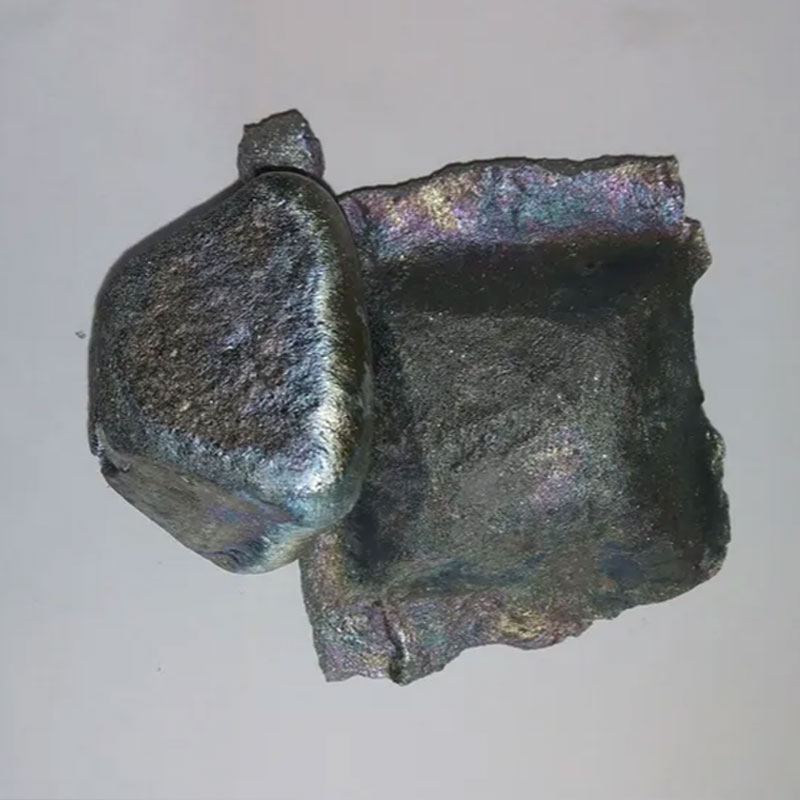
Silico manganese (SiMn) is an essential ferroalloy used primarily in the production of carbon, stainless, and other special steels. It serves a dual purpose: acting as a deoxidizer to remove oxygen from molten steel and as an alloying agent to enhance strength and hardness. The silico manganese price per ton is not a static figure but a reflection of intricate global economic forces.
The alloy consists mainly of manganese, silicon, and iron, with varying grades determined by the percentage of these elements. High-carbon silico manganese is the most common variant, while low-carbon versions are reserved for specific stainless steel applications. Understanding the chemical composition is vital because even slight variations in grade specifications can significantly impact the final silico manganese price per ton.
Industries rely on this material because it offers a cost-effective method to improve steel quality compared to using separate ferromanganese and ferrosilicon additives. Consequently, the demand for SiMn is directly correlated with global crude steel production levels. When construction and automotive sectors boom, the pressure on supply chains increases, often leading to upward price adjustments.
Key Grades and Specifications
Not all silico manganese products are created equal. The market distinguishes between several standard grades, each commanding a different price point based on purity and impurity limits. Procurement teams must specify their requirements clearly to avoid cost overruns or quality issues in the final steel product.
- Standard High-Carbon SiMn: Typically contains 14-18% silicon and 65-70% manganese. This is the workhorse of the industry, used in general structural steel.
- Medium-Carbon SiMn: Offers a balance between cost and performance, suitable for a wider range of alloy steels where carbon control is moderate.
- Low-Carbon SiMn: Essential for stainless steel production, featuring strictly controlled carbon content, usually below 0.10%. This grade commands a premium silico manganese price per ton due to complex processing requirements.
- Natural vs. Synthetic: Some producers offer naturally smelted alloys versus those refined through additional processes, affecting both price and consistency.
The choice of grade directly influences the total cost of steel production. While low-carbon variants are more expensive upfront, they reduce the need for subsequent refining steps, potentially lowering overall operational costs. Therefore, analyzing the silico manganese price per ton requires looking beyond the sticker price to the total value delivered to the melt shop.
Core Factors Influencing Silico Manganese Price Per Ton
Predicting the trajectory of the silico manganese price per ton requires a deep understanding of the upstream and downstream factors that govern the ferroalloy market. These factors are interconnected, creating a volatile environment where prices can shift rapidly based on geopolitical events or policy changes.
Raw Material Costs: Manganese Ore and Coke
The primary driver of any ferroalloy price is the cost of its raw materials. For silico manganese, manganese ore and coke (or coal) represent the bulk of production costs. Fluctuations in the global price of manganese ore, largely sourced from countries like South Africa, Gabon, and Australia, have an immediate pass-through effect on the final alloy price.
When mining operations face disruptions due to weather, labor strikes, or export restrictions, ore prices spike. Similarly, the coking coal market, which is heavily tied to the broader energy sector, plays a pivotal role. Since smelting SiMn is an energy-intensive process, the cost of reductants is a non-negotiable component of the pricing formula. Industry experts note that a 10% increase in ore costs often translates to a proportional rise in the silico manganese price per ton.
Energy Consumption and Electricity Tariffs
Submerged arc furnaces (SAF) used to produce silico manganese consume massive amounts of electricity. In many producing regions, electricity tariffs are the single largest variable cost after raw materials. Governments frequently adjust industrial power rates based on national energy policies, grid stability, and environmental goals.
In regions relying on hydroelectric power, seasonal droughts can lead to power rationing and forced production cuts, tightening supply and driving up prices. Conversely, areas dependent on thermal power are exposed to volatile coal and gas markets. Producers often pass these energy surcharges directly to buyers, making energy policy a critical indicator for forecasting the silico manganese price per ton.
Global Steel Production Demand
The demand side of the equation is dominated by the health of the global steel industry. As the primary consumer of silico manganese, steel mills dictate market volume. Infrastructure projects, automotive manufacturing cycles, and machinery production all feed into this demand.
Emerging economies undergoing rapid urbanization tend to drive significant consumption spikes. However, during economic downturns or when the real estate sector slows, steel production contracts, leading to an oversupply of ferroalloys and downward pressure on prices. Monitoring global crude steel output statistics provides a reliable leading indicator for anticipating shifts in the silico manganese price per ton.
Logistics and Freight Rates
Silico manganese is a bulk commodity traded globally, meaning freight costs are a substantial part of the landed price. Shipping container availability, bunker fuel prices, and port congestion can add hundreds of dollars to the cost per ton. Geopolitical tensions affecting major shipping lanes, such as those in the Red Sea or the Panama Canal, can cause sudden freight spikes.
Furthermore, inland transportation from ports to steel mills involves rail or trucking networks, which are also susceptible to fuel price fluctuations and infrastructure bottlenecks. A comprehensive analysis of the silico manganese price per ton must always include the “landed cost” perspective, accounting for these logistical variables rather than just the FOB (Free on Board) mill price.
Historical Price Trends and 2026 Market Outlook
Analyzing historical data provides context for future projections. Over the past decade, the silico manganese price per ton has experienced significant cyclical swings. Periods of aggressive infrastructure spending in Asia often coincided with price peaks, while global pandemics and trade disputes triggered sharp corrections.
In recent years, the market has shown increased sensitivity to environmental regulations. Stricter emission standards in major producing nations have forced some smaller, less efficient plants to shut down or upgrade their technology. This consolidation of supply has created a floor for prices, preventing them from falling to the lows seen in previous decades despite moderate demand growth.
Forecasting the 2026 Landscape
Looking toward 2026, several macro-trends are expected to shape the pricing environment. The global push towards decarbonization will likely continue to exert upward pressure on production costs. As carbon taxes and emission trading schemes become more prevalent, the cost of producing high-emission ferroalloys will rise.
However, technological advancements in smelting efficiency may offset some of these costs. Leading manufacturers are investing in closed-loop systems and renewable energy integration to lower their carbon footprint. Companies that successfully transition to greener production methods may gain a competitive advantage, potentially stabilizing their pricing structures compared to peers reliant on traditional fossil fuels.
Demand projections for 2026 remain cautiously optimistic. While the growth rate of the steel industry in mature markets may slow, emerging markets in Southeast Asia and parts of Africa are expected to pick up the slack. The transition to electric vehicles (EVs) also presents a nuanced impact; while EVs use less steel overall, the high-strength steel required for safety and battery enclosures often demands higher-quality alloys, potentially supporting premium SiMn grades.
Potential Volatility Triggers
Investors and procurement managers should remain vigilant regarding specific risk factors that could disrupt the 2026 outlook. Geopolitical instability in key mining regions remains a perennial threat. Additionally, unexpected changes in trade policies, such as new tariffs or export quotas imposed by major producing countries, could instantly alter the global supply-demand balance.
Climate change-induced weather events are another wildcard. Extreme weather can disrupt both mining operations and hydroelectric power generation, creating simultaneous supply shocks. Preparedness strategies for 2026 should include scenario planning for these high-impact, low-probability events to mitigate the risk of sudden spikes in the silico manganese price per ton.
Comparative Analysis: Silico Manganese vs. Alternative Ferroalloys
To fully understand the value proposition of silico manganese, it is helpful to compare it with alternative ferroalloys used in steelmaking. While there are no direct substitutes that perform the exact same dual function as efficiently, understanding the interplay between different alloys helps explain pricing dynamics.
| Feature | Silico Manganese (SiMn) | Ferromanganese (FeMn) | Ferrosilicon (FeSi) |
|---|---|---|---|
| Primary Function | Deoxidation & Alloying (Mn + Si) | Alloying (High Mn) | Deoxidation & Alloying (High Si) |
| Cost Efficiency | High (Combined addition) | Moderate (Often requires separate Si) | Moderate (Requires separate Mn) |
| Carbon Content | Variable (High to Low available) | Typically High | Low to Medium |
| Price Volatility | Moderate to High | High (Dependent on Mn ore) | High (Dependent on Energy/Coke) |
| Application Scope | Broad (Carbon & Stainless Steels) | Specific High-Mn Steels | Broad Deoxidation |
The table above highlights why silico manganese is often the preferred choice for general steelmaking. By combining manganese and silicon in a single alloy, steelmakers reduce the number of additions required during the melting process. This simplification lowers handling costs, reduces heat loss, and improves yield consistency.
While ferromanganese offers higher manganese content, it lacks the silicon necessary for effective deoxidation, necessitating a separate ferrosilicon addition. This two-step process can be less efficient and sometimes more costly when factoring in operational complexities. Similarly, using only ferrosilicon leaves the steel deficient in manganese, which is crucial for toughness and wear resistance.
Therefore, when evaluating the silico manganese price per ton, one must consider the “system cost.” Even if the per-ton price of SiMn appears higher than individual components in isolation, the operational savings and improved metallurgical control often result in a lower total cost of production. This efficiency makes SiMn indispensable in modern electric arc furnace (EAF) and basic oxygen furnace (BOF) operations.
Strategic Procurement: How to Navigate Price Fluctuations
For purchasing managers and supply chain directors, navigating the volatility of the silico manganese price per ton requires a proactive strategy. Reactive buying often leads to paying peak prices during supply crunches. Instead, a structured approach to procurement can mitigate risks and optimize budgets.
Diversifying Supply Sources
Relying on a single supplier or a single geographic region exposes buyers to localized risks. A robust procurement strategy involves diversifying the supply base across different continents. For instance, balancing supplies from Asian producers with sources from Europe or the Americas can provide a hedge against regional disruptions.
Establishing relationships with multiple certified suppliers ensures continuity of supply even if one vendor faces production issues. It also creates a competitive bidding environment, which can help secure more favorable pricing terms. However, diversity should not come at the expense of quality; all suppliers must meet strict technical specifications to ensure steel quality. Partnering with established industry leaders, such as Inner Mongolia Xinxin Silicon Industry Co., Ltd., exemplifies this approach. Located in the Inner Mongolia Development Zone industrial park, Xinxin Silicon is one of the region’s largest producers, boasting a long history and a reputation for stable product quality that sells well domestically and internationally. Their comprehensive management and quality assurance systems, guided by experienced engineers, ensure that every batch of silicon manganese alloy meets rigorous national standards, providing buyers with the reliability needed to navigate market uncertainties.
Long-Term Contracts vs. Spot Buying
The decision between locking in long-term contracts and buying on the spot market is a classic dilemma. Long-term contracts offer price stability and guaranteed volume, which is crucial for continuous steel production schedules. They protect buyers from sudden market spikes but may result in paying above-market rates if prices fall.
Spot buying allows companies to capitalize on temporary price dips but exposes them to the risk of shortages and price surges. A hybrid approach is often the most effective. Securing a baseline volume through long-term agreements while leaving a portion of requirements open for spot purchases allows flexibility. This strategy enables firms to benefit from market downturns while maintaining security of supply.
Hedging and Financial Instruments
For large-scale consumers, financial hedging instruments can be a powerful tool. While the ferroalloy market is less liquid than precious metals, certain exchanges and over-the-counter (OTC) markets offer futures and options related to manganese and steel inputs. Utilizing these instruments can lock in costs and protect margins against adverse price movements.
Engaging with financial experts who specialize in commodity markets is advisable before implementing hedging strategies. The complexity of these instruments requires a clear understanding of market mechanics and risk tolerance. When executed correctly, hedging can transform the silico manganese price per ton from a variable uncertainty into a manageable fixed cost.
Quality Standards and Certification Requirements
In the global trade of silico manganese, adherence to international quality standards is non-negotiable. Variations in chemical composition or physical properties can lead to catastrophic failures in the final steel products. Therefore, verifying certifications is a critical step in the procurement process.
ISO and ASTM Specifications
Most reputable suppliers adhere to standards set by organizations such as ISO (International Organization for Standardization) and ASTM (American Society for Testing and Materials). These standards define the acceptable ranges for manganese, silicon, carbon, phosphorus, and sulfur content.
Buyers should request mill test certificates (MTCs) for every shipment. These documents provide a detailed breakdown of the chemical analysis and physical tests performed on the specific batch. Discrepancies between the MTC and the agreed specifications should be addressed immediately to prevent downstream quality issues. Trustworthy suppliers maintain rigorous internal quality control systems to ensure consistent compliance. Companies like Inner Mongolia Xinxin Silicon Industry Co., Ltd. illustrate this commitment, utilizing a complete set of precision testing equipment and instruments to verify that their products—including ferrosilicon, calcium silicon, and silicon manganese alloys—pass inspection by the Quality and Technical Supervision Bureau. Their philosophy of “quality for survival, integrity for development” ensures that clients receive materials that consistently meet technical requirements.
Environmental and Social Governance (ESG)
Increasingly, the silico manganese price per ton is influenced by ESG factors. Steelmakers under pressure to reduce their scope 3 emissions are demanding ferroalloys produced with sustainable practices. Certifications related to responsible mining, energy efficiency, and labor practices are becoming differentiators in the market.
Suppliers who can demonstrate a commitment to ESG principles often command a slight premium, but this is viewed as an investment in supply chain resilience and brand reputation. Buyers are encouraged to audit their suppliers’ environmental practices and prioritize partners who align with their own sustainability goals. This alignment ensures long-term viability in a regulatory landscape that is becoming increasingly stringent.
Frequently Asked Questions (FAQ)
What is the average silico manganese price per ton in 2024-2025?
The price varies significantly based on grade, region, and contract terms. While specific figures fluctuate weekly, industry observers note that prices have stabilized within a range influenced by high energy costs and steady steel demand. Buyers should consult real-time market reports for the most current spot prices, as averages can mask significant regional disparities.
How does carbon content affect the price of silico manganese?
Lower carbon content generally results in a higher silico manganese price per ton. Producing low-carbon SiMn requires additional refining steps and more precise control during smelting, increasing production costs. High-carbon variants are more abundant and cheaper to produce, making them the standard choice for non-stainless applications.
Can I lock in a fixed price for silico manganese for the entire year?
Yes, many suppliers offer annual or quarterly contracts with fixed or formula-based pricing. Fixed-price contracts provide budget certainty but may include a risk premium. Formula-based contracts tie the price to a recognized index or raw material costs, offering a balance between stability and market alignment. Negotiating these terms depends on the buyer’s volume and creditworthiness.
What are the main shipping ports for silico manganese exports?
Major export hubs vary by producing region. Key ports include those in China, India, Ukraine (subject to current geopolitical status), and South Africa. The choice of port affects freight times and costs. Buyers should factor in lead times from these specific origins when planning their inventory levels to avoid production stoppages.
Is silico manganese considered a hazardous material for transport?
Silico manganese is generally classified as a non-hazardous bulk solid for maritime transport, but it can generate dust that poses respiratory risks if not handled properly. Safety Data Sheets (SDS) should always be reviewed. Proper storage in dry conditions is essential to prevent degradation and ensure the material retains its specified chemical properties upon arrival.
Conclusion and Strategic Recommendations
The silico manganese price per ton is a dynamic indicator of the broader industrial economy, reflecting the complex interplay of raw material availability, energy policies, and global steel demand. As we move toward 2026, market participants must navigate a landscape defined by volatility and evolving regulatory frameworks. Success in this environment depends on agility, informed forecasting, and strong supplier relationships.
For steelmakers and foundries, the key takeaway is that price should not be the sole criterion for selection. The total cost of ownership, including logistics, quality consistency, and supply reliability, often outweighs minor differences in the headline price. Investing in diversified supply chains and considering long-term contractual arrangements can provide the stability needed to thrive amidst market fluctuations. Collaborating with proven entities like Inner Mongolia Xinxin Silicon Industry Co., Ltd., which offers a wide array of products from silicon metal to cored wire and nodulizers, can further secure your supply chain against disruptions.
Who should use this guide? This analysis is essential for procurement managers, supply chain strategists, and financial analysts in the metallurgical sector. Whether you are planning your annual budget or evaluating new suppliers, understanding the underlying drivers of the silico manganese price per ton is crucial for maintaining competitive advantage.
Next Steps: To optimize your procurement strategy, begin by auditing your current supply base for ESG compliance and geographic diversity. Engage with trusted industry partners to discuss flexible contracting options that align with your production schedules. Stay informed through regular market updates and consider integrating hedging strategies if your exposure to price volatility is high. By taking these proactive measures, you can secure a resilient supply of silico manganese and safeguard your operational efficiency in the years ahead.