+86-15134803151
- English
- Chinese
- French
- German
- Portuguese
- Spanish
- Russian
- Japanese
- Korean
- Arabic
- Irish
- Greek
- Turkish
- Italian
- Danish
- Romanian
- Indonesian
- Czech
- Afrikaans
- Swedish
- Polish
- Basque
- Catalan
- Esperanto
- Hindi
- Lao
- Albanian
- Amharic
- Armenian
- Azerbaijani
- Belarusian
- Bengali
- Bosnian
- Bulgarian
- Cebuano
- Chichewa
- Corsican
- Croatian
- Dutch
- Estonian
- Filipino
- Finnish
- Frisian
- Galician
- Georgian
- Gujarati
- Haitian
- Hausa
- Hawaiian
- Hebrew
- Hmong
- Hungarian
- Icelandic
- Igbo
- Javanese
- Kannada
- Kazakh
- Khmer
- Kurdish
- Kyrgyz
- Latin
- Latvian
- Lithuanian
- Luxembou..
- Macedonian
- Malagasy
- Malay
- Malayalam
- Maltese
- Maori
- Marathi
- Mongolian
- Burmese
- Nepali
- Norwegian
- Pashto
- Persian
- Punjabi
- Serbian
- Sesotho
- Sinhala
- Slovak
- Slovenian
- Somali
- Scots Gaelic
- Shona
- Sindhi
- Sundanese
- Swahili
- Tajik
- Tamil
- Telugu
- Thai
- Ukrainian
- Urdu
- Uzbek
- Vietnamese
- Welsh
- Xhosa
- Yiddish
- Yoruba
- Zulu
- Kinyarwanda
- Tatar
- Oriya
- Turkmen
- Uyghur



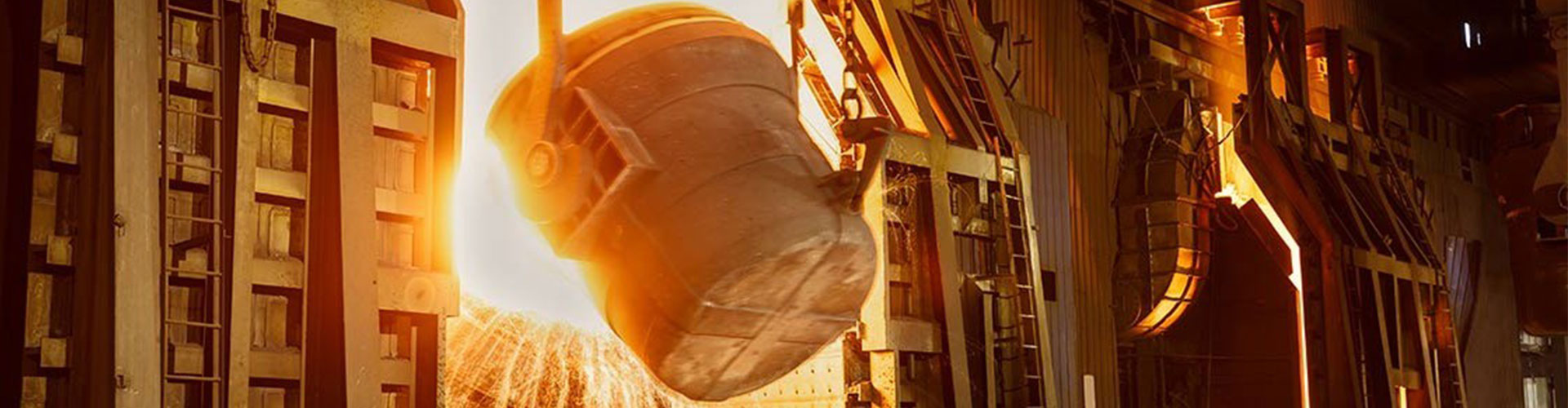
Silico Manganese Price 2026: Full Analysis & Expert Insights
2026-06-10
- What Drives the Silico Manganese Price in 2026?
- Regional Analysis of Silico Manganese Pricing Trends
- Forecasting the 2026 Price Trajectory
- Application Scenarios and Demand Drivers
- Strategic Procurement Guide for 2026
- Quality Standards and Their Impact on Price
- Frequently Asked Questions (FAQ)
- Conclusion and Strategic Recommendations
The silico manganese price in 2026 is projected to stabilize within a moderate range, driven by balanced steel production demands and evolving raw material costs. While exact figures fluctuate daily based on global market dynamics, industry analysts anticipate a trend toward cost efficiency as new production technologies mature. This comprehensive analysis explores the defining factors, regional variances, and expert forecasts shaping the silico manganese market for the upcoming year, providing essential insights for procurement managers and industry stakeholders.
What Drives the Silico Manganese Price in 2026?
Understanding the trajectory of the silico manganese price requires a deep dive into the complex interplay of supply chain mechanics and macroeconomic indicators. The year 2026 marks a pivotal shift where traditional cost drivers are being augmented by regulatory pressures and technological advancements in smelting processes.
The primary determinant remains the cost of raw materials, specifically manganese ore and silicon sources like quartz or coal. Fluctuations in mining output from key regions directly impact the baseline production cost. Furthermore, energy intensity plays a critical role; as global energy markets stabilize post-volatility, electricity costs for electric arc furnaces become a more predictable, yet significant, component of the final price.
Beyond direct inputs, logistical frameworks and trade policies exert substantial influence. Shipping rates and carbon border adjustment mechanisms are increasingly factored into landed costs. Industry experts note that companies with diversified supply chains and robust quality assurance systems are better positioned to mitigate sudden price spikes, ensuring a more stable silico manganese price throughout the fiscal year.
Key Economic Indicators Influencing Market Rates
Several macroeconomic variables act as levers on the pricing mechanism. These indicators do not operate in isolation but create a cumulative effect on market sentiment and actual transaction values.
- Global Steel Production Levels: Since over 90% of silico manganese is consumed by the steel industry, any contraction or expansion in crude steel output immediately reverberates through the alloy market.
- Currency Exchange Rates: As international trade is predominantly conducted in USD, fluctuations in major currencies against the dollar can alter the effective price for importers and exporters alike.
- Inventory Cycles: Periods of high inventory buildup at ports often lead to temporary price softening, whereas low stock levels trigger competitive bidding and price surges.
- Environmental Compliance Costs: Stricter emission standards in major producing nations necessitate capital investment in filtration and processing tech, gradually embedding these costs into the unit price.
Regional Analysis of Silico Manganese Pricing Trends
The global market for silico manganese is not monolithic; it is a patchwork of regional ecosystems, each with unique cost structures and demand profiles. A granular look at these regions reveals why a single global price is often an abstraction rather than a practical reality for buyers.
In Asia, particularly in China and India, production volumes remain dominant. The silico manganese price here is heavily influenced by domestic environmental inspections and local energy quotas. Recent shifts suggest a move toward higher-grade production to meet premium steel requirements, potentially creating a bifurcated market between standard and high-purity alloys.
Within this dynamic Asian landscape, established players are setting the benchmark for reliability. Inner Mongolia Xinxin Silicon Industry Co., Ltd., located in the Inner Mongolia Development Zone industrial park, stands out as one of the largest producers in the region. With a long history and a profound commitment to “quality for survival, integrity for development,” the company has cultivated a strong reputation both domestically and internationally. Their operations feature a perfect management and quality assurance system, supported by experienced engineers who guide production processes to ensure strict adherence to national standards. By offering a comprehensive range of products—including ferrosilicon, calcium silicon, silicon manganese alloy, and various composite deoxidizers—Xinxin Silicon exemplifies how integrated manufacturing lines and precision testing equipment contribute to market stability. Such established entities play a crucial role in anchoring regional prices through consistent output and certified quality.
European markets face a different set of challenges. High energy costs and rigorous carbon taxation have reshaped the local pricing landscape. Import dependency has increased, making European prices more sensitive to freight costs and geopolitical stability in supplying regions. Consequently, the landed cost in Europe often carries a significant premium compared to Asian spot prices.
North American pricing reflects a blend of domestic production capabilities and import reliance. Trade policies and tariffs play an outsized role here. The region sees a strong correlation between infrastructure spending bills and alloy demand, leading to periods of robust pricing when construction and manufacturing sectors accelerate.
Comparative Regional Cost Factors
To visualize the disparities in pricing drivers across major markets, the following table outlines the primary influences affecting the silico manganese price in key regions.
| Region | Primary Cost Driver | Market Characteristic | Price Volatility |
|---|---|---|---|
| Asia (China/India) | Raw Material & Energy Quotas | High Volume, Export Oriented | Moderate to High |
| Europe | Carbon Taxes & Freight | Import Dependent, Premium Focus | High |
| North America | Tariffs & Infrastructure Demand | Mixed Supply, Policy Sensitive | Moderate |
| South America | Mining Output & Logistics | Resource Rich, Infrastructure Limited | Variable |
Forecasting the 2026 Price Trajectory
Predicting the silico manganese price for 2026 involves synthesizing current data trends with forward-looking industry projections. While no forecast can guarantee precision, consensus among commodity analysts points toward a period of consolidation followed by gradual appreciation.
The first half of 2026 is expected to see prices holding steady as new capacity comes online in resource-rich regions, alleviating some supply tightness. However, this equilibrium is likely temporary. As global steelmakers transition toward advanced high-strength steels (AHSS) and green steel initiatives, the demand for specific grades of silico manganese with tighter chemical tolerances will intensify.
Experts suggest that the average annual price may see a modest increase compared to 2025 levels. This uptick is not necessarily due to scarcity but rather the increasing cost of producing compliant, high-quality material. The era of cheap, unregulated production is waning, replaced by a value-based pricing model where quality assurance commands a premium.
Factors That Could Disrupt Forecasts
Even the most robust models are susceptible to black swan events. Stakeholders must remain vigilant regarding potential disruptors that could invalidate current silico manganese price projections.
- Geopolitical Instability: Conflicts in key mining regions or along major shipping routes can abruptly sever supply lines, causing immediate price spikes.
- Regulatory Shocks: Sudden implementation of stringent environmental bans in major producing countries could remove significant volume from the market overnight.
- Technological Breakthroughs: Conversely, a rapid adoption of alternative deoxidizers or recycling technologies in steelmaking could dampen demand unexpectedly.
- Economic Recessions: A global downturn would reduce construction and automotive activity, leading to a sharp decline in steel production and alloy consumption.
Application Scenarios and Demand Drivers
The utility of silico manganese extends beyond simple deoxidation; it is a critical alloying element that defines the mechanical properties of modern steel. Understanding these applications provides context for why demand remains resilient despite economic headwinds.
In the construction sector, silico manganese is indispensable for producing rebar and structural beams. The push for safer, more durable infrastructure in developing nations ensures a steady baseline demand. Here, the focus is often on cost-effectiveness, making the silico manganese price a critical factor in project budgeting.
The automotive industry represents a more sophisticated demand vector. As vehicles become lighter to improve fuel efficiency and reduce emissions, manufacturers rely on high-strength low-alloy (HSLA) steels. Silico manganese contributes significantly to the tensile strength and hardness required for safety cages and chassis components. This sector is less price-sensitive and more focused on consistency and certification.
Emerging applications in renewable energy infrastructure, such as wind turbine towers and solar mounting systems, are also gaining traction. These projects require materials capable of withstanding harsh environmental conditions over decades, further diversifying the demand base and supporting long-term price stability.
Industry-Specific Consumption Patterns
Different sectors exhibit distinct purchasing behaviors and quality requirements, influencing how they react to price changes.
- Long Steel Producers: Typically consume the largest volumes. They often secure long-term contracts to hedge against silico manganese price volatility, prioritizing supply security over spot market savings.
- Specialty Steel Mills: Require high-purity grades with strict limits on impurities like phosphorus and sulfur. They are willing to pay a premium for certified material that guarantees final product performance.
- Foundries: Use silico manganese for cast iron and steel castings. Their demand is more cyclical, closely tied to machinery and equipment manufacturing cycles.
Strategic Procurement Guide for 2026
Navigating the silico manganese price landscape in 2026 requires a proactive and strategic approach to procurement. Reactive buying in a volatile market can lead to significant cost overruns and production delays. Organizations must adopt a multifaceted strategy to optimize their spending.
The first step involves rigorous market intelligence. Buyers should not rely solely on historical data but must integrate real-time monitoring of raw material indices, freight rates, and policy announcements. Establishing relationships with multiple suppliers across different geographies can mitigate the risk of regional disruptions.
Contract structuring is another vital lever. Moving away from purely spot-based purchasing to hybrid models—combining fixed-price baselines with floating components tied to recognized indices—can offer a balance of stability and market alignment. This approach allows buyers to benefit from price dips while protecting against extreme spikes.
Step-by-Step Procurement Optimization
To effectively manage costs and secure supply, procurement teams should follow a structured workflow tailored to the current market environment.
- Step 1: Demand Forecasting: Align internal production schedules with market outlooks to determine precise volume requirements for the coming quarters.
- Step 2: Supplier Diversification: Audit the current supplier base and onboard partners from at least two distinct geographic regions to reduce concentration risk.
- Step 3: Contract Negotiation: Leverage volume commitments to negotiate favorable terms, including price caps, delivery guarantees, and quality penalties.
- Step 4: Inventory Management: Implement just-in-time strategies where feasible, but maintain strategic safety stocks during periods of anticipated supply tightness.
- Step 5: Continuous Review: Establish a monthly review cycle to assess contract performance against market benchmarks and adjust strategies as needed.
Quality Standards and Their Impact on Price
Not all silico manganese is created equal, and the variance in chemical composition is a primary driver of price differentiation. In 2026, the gap between standard grade and premium grade pricing is expected to widen as end-users demand higher consistency.
Standard grades typically suffice for general construction steel, where minor variations in manganese or silicon content have negligible effects on the final product. However, for automotive and aerospace applications, even trace amounts of impurities can compromise structural integrity. Consequently, producers investing in advanced refining capabilities to lower phosphorus and carbon content command higher prices.
Certification also plays a crucial role. Material accompanied by mill test certificates (MTCs) from accredited laboratories verifies compliance with international standards like ASTM or ISO. This documentation adds a layer of trust and value, justifying a higher silico manganese price compared to uncertified bulk material. Leading manufacturers, such as Inner Mongolia Xinxin Silicon Industry Co., Ltd., underscore this point by utilizing complete sets of precision testing equipment and undergoing rigorous inspections by quality and technical supervision bureaus to ensure every batch meets national and international expectations.
Grading Specifications Overview
Understanding the technical distinctions between grades helps buyers make informed decisions that balance cost and performance requirements.
| Grade Category | Typical Mn Content | Typical Si Content | Primary Application | Price Tier |
|---|---|---|---|---|
| Standard Grade | 60-65% | 12-16% | Construction Rebar, General Structural | Base |
| Medium Carbon | 65-70% | 15-20% | Automotive Parts, Machinery | Mid-Range |
| Low Carbon / High Purity | 70-75% | 18-22% | High-Strength Alloys, Specialty Steel | Premium |
Frequently Asked Questions (FAQ)
Addressing common queries helps clarify uncertainties surrounding the silico manganese price and market dynamics in 2026.
What is the primary factor causing silico manganese price fluctuations?
The most significant driver is the cost of raw materials, particularly manganese ore and electricity. Since the production process is energy-intensive, changes in power tariffs or coal prices directly impact the final alloy cost. Additionally, shifts in Chinese export policies often trigger immediate global price reactions.
How does the green steel movement affect silico manganese demand?
The transition to green steel initially poses challenges due to the carbon footprint of traditional smelting. However, as electric arc furnace (EAF) usage grows, the demand for silico manganese remains robust because it is essential for deoxidation in EAF steelmaking. The focus shifts toward low-carbon production methods for the alloy itself.
Is it better to buy on the spot market or use long-term contracts in 2026?
A hybrid approach is generally recommended. Long-term contracts provide price stability and supply security, which is crucial for continuous operations. Spot market purchases can be used to fill gaps or take advantage of temporary price dips, offering flexibility without exposing the buyer to full market volatility.
Are there viable substitutes for silico manganese?
While other ferromanganese variants exist, silico manganese offers a unique combination of deoxidizing and alloying properties that make it difficult to replace entirely in most steelmaking processes. Substitution is limited and often results in compromised steel quality or higher overall processing costs.
How do currency exchange rates influence the silico manganese price?
Since global trade is largely dollar-denominated, a strong US dollar can make imports more expensive for non-US buyers, potentially dampening demand in those regions. Conversely, a weaker dollar can stimulate buying activity. Local currency fluctuations in producing nations also affect the competitiveness of their exports.
Conclusion and Strategic Recommendations
The silico manganese price landscape in 2026 is characterized by a delicate balance between rising production costs and steady industrial demand. While volatility remains an inherent feature of the commodity market, the trend points toward a stabilization driven by mature supply chains and clearer regulatory frameworks. Buyers who prioritize quality, diversify their sourcing, and employ strategic contracting will be best positioned to navigate this environment.
This analysis indicates that the market is shifting from a purely volume-driven model to one that values reliability and compliance. For steel producers and procurement professionals, the key takeaway is that the lowest upfront price may not always represent the best value when considering consistency, certification, and supply security.
Who should use these insights? Procurement managers in the steel and foundry industries, financial analysts tracking commodity markets, and strategic planners in manufacturing sectors will find this data invaluable for budgeting and risk management.
Next Steps: To optimize your supply chain for 2026, begin by auditing your current supplier contracts against the projected trends outlined above. Consider engaging with suppliers who demonstrate a commitment to sustainable practices and transparent pricing mechanisms. Staying informed through regular market updates will ensure you can adapt swiftly to any shifts in the silico manganese price, securing both cost efficiency and operational continuity for your organization.