+86-15134803151
- English
- Chinese
- French
- German
- Portuguese
- Spanish
- Russian
- Japanese
- Korean
- Arabic
- Irish
- Greek
- Turkish
- Italian
- Danish
- Romanian
- Indonesian
- Czech
- Afrikaans
- Swedish
- Polish
- Basque
- Catalan
- Esperanto
- Hindi
- Lao
- Albanian
- Amharic
- Armenian
- Azerbaijani
- Belarusian
- Bengali
- Bosnian
- Bulgarian
- Cebuano
- Chichewa
- Corsican
- Croatian
- Dutch
- Estonian
- Filipino
- Finnish
- Frisian
- Galician
- Georgian
- Gujarati
- Haitian
- Hausa
- Hawaiian
- Hebrew
- Hmong
- Hungarian
- Icelandic
- Igbo
- Javanese
- Kannada
- Kazakh
- Khmer
- Kurdish
- Kyrgyz
- Latin
- Latvian
- Lithuanian
- Luxembou..
- Macedonian
- Malagasy
- Malay
- Malayalam
- Maltese
- Maori
- Marathi
- Mongolian
- Burmese
- Nepali
- Norwegian
- Pashto
- Persian
- Punjabi
- Serbian
- Sesotho
- Sinhala
- Slovak
- Slovenian
- Somali
- Scots Gaelic
- Shona
- Sindhi
- Sundanese
- Swahili
- Tajik
- Tamil
- Telugu
- Thai
- Ukrainian
- Urdu
- Uzbek
- Vietnamese
- Welsh
- Xhosa
- Yiddish
- Yoruba
- Zulu
- Kinyarwanda
- Tatar
- Oriya
- Turkmen
- Uyghur



Silico Manganese Guide 2026: Properties, Uses & Expert Insights
2026-06-04
- What Is Silico Manganese?
- Key Properties of Silico Manganese
- Production Process and Technology
- Leading Producers and Quality Standards
- Applications in the Steel Industry
- Silico Manganese vs. Other Ferroalloys
- Advantages and Limitations
- Storage and Handling Guidelines
- Market Trends and Future Outlook 2026
- Frequently Asked Questions (FAQ)
- Expert Insights on Optimization
- Conclusion and Strategic Recommendations
Silico manganese is a vital ferroalloy composed primarily of silicon, manganese, and iron, serving as an essential deoxidizer and alloying agent in modern steelmaking. This comprehensive 2026 guide explores its chemical properties, diverse industrial applications, and expert insights into production standards. Whether for carbon steel enhancement or specialized stainless formulations, understanding silico manganese is crucial for optimizing metallurgical performance and cost-efficiency.
What Is Silico Manganese?
Silico manganese acts as a cornerstone in the global steel industry, combining the deoxidizing power of silicon with the strengthening capabilities of manganese. Unlike pure manganese metal, this alloy offers a cost-effective solution for removing oxygen and sulfur from molten steel while simultaneously adjusting the final chemical composition.
The material is produced in submerged arc furnaces through the reduction of manganese ores, coke, and quartz. The resulting product typically contains between 14% to 30% silicon and 60% to 70% manganese, with iron making up the balance. This specific ratio makes it uniquely suited for complex steel grades where precise control over impurities is mandatory.
In 2026, the demand for high-purity variants continues to rise as automotive and infrastructure sectors require steels with superior tensile strength and ductility. The alloy’s ability to perform dual functions—deoxidation and alloying—reduces processing time and energy consumption compared to using separate additives.
Chemical Composition and Grades
The effectiveness of silico manganese depends heavily on its precise chemical makeup. Industry standards generally categorize the alloy into several grades based on silicon content and impurity levels such as carbon and phosphorus.
- Standard Grade: Contains approximately 14-16% silicon and 65-70% manganese, suitable for general carbon steel production.
- High Silicon Grade: Features 20-30% silicon, used when higher deoxidation potential is required without adding excessive manganese.
- Low Carbon Variant: Engineered for stainless steel and special alloys where carbon content must remain strictly below 0.1%.
Impurity control is critical. Phosphorus and sulfur levels are kept minimal to prevent brittleness in the final steel product. Manufacturers often customize batches to meet specific mill requirements, ensuring seamless integration into existing ladle metallurgy workflows.
Key Properties of Silico Manganese
Understanding the physical and chemical properties of silico manganese is essential for metallurgists aiming to optimize steel quality. These properties dictate how the alloy behaves during the melting process and how it influences the microstructure of the solidified steel.
Deoxidation Efficiency
The primary function of this alloy is deoxidation. Silicon has a higher affinity for oxygen than iron, allowing it to strip dissolved oxygen from the molten bath effectively. When combined with manganese, the resulting oxide inclusions are more fluid and easier to remove via slag.
This synergistic effect prevents the formation of large, harmful non-metallic inclusions that could compromise the mechanical integrity of the steel. Consequently, the final product exhibits improved toughness and fatigue resistance, which are vital for structural applications.
Alloying Capabilities
Beyond cleaning the steel, silico manganese serves as a potent alloying agent. Manganese significantly increases the hardenability of steel, allowing it to achieve higher strength levels after heat treatment. It also counteracts the brittle effects of sulfur by forming manganese sulfide inclusions rather than iron sulfide.
Silicon contributes to solid solution strengthening, enhancing the yield strength of ferritic steels. In spring steels and high-strength low-alloy (HSLA) grades, the combination ensures the material can withstand significant stress without permanent deformation.
Physical Characteristics
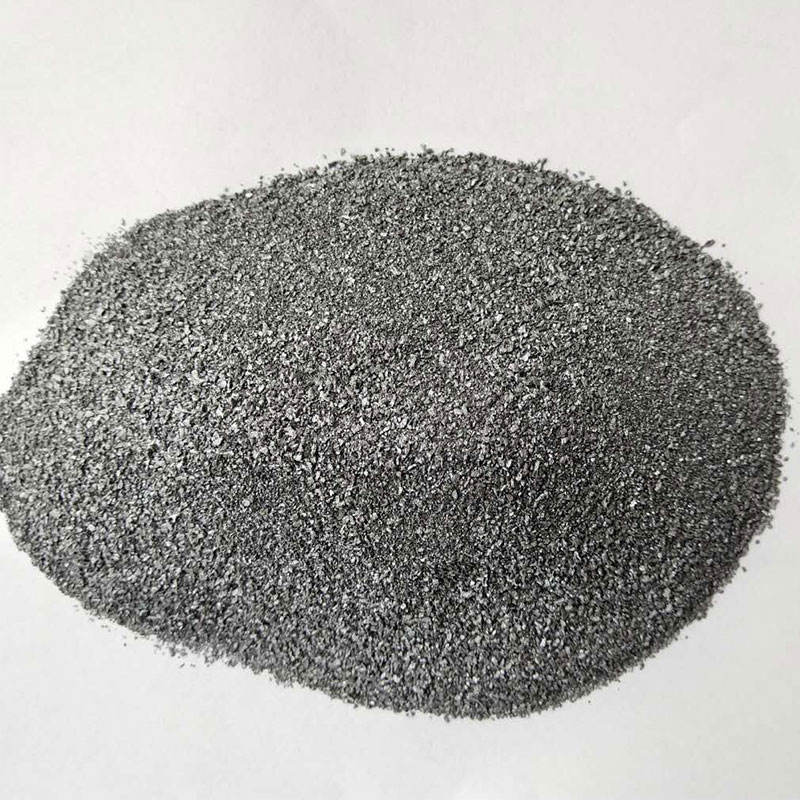
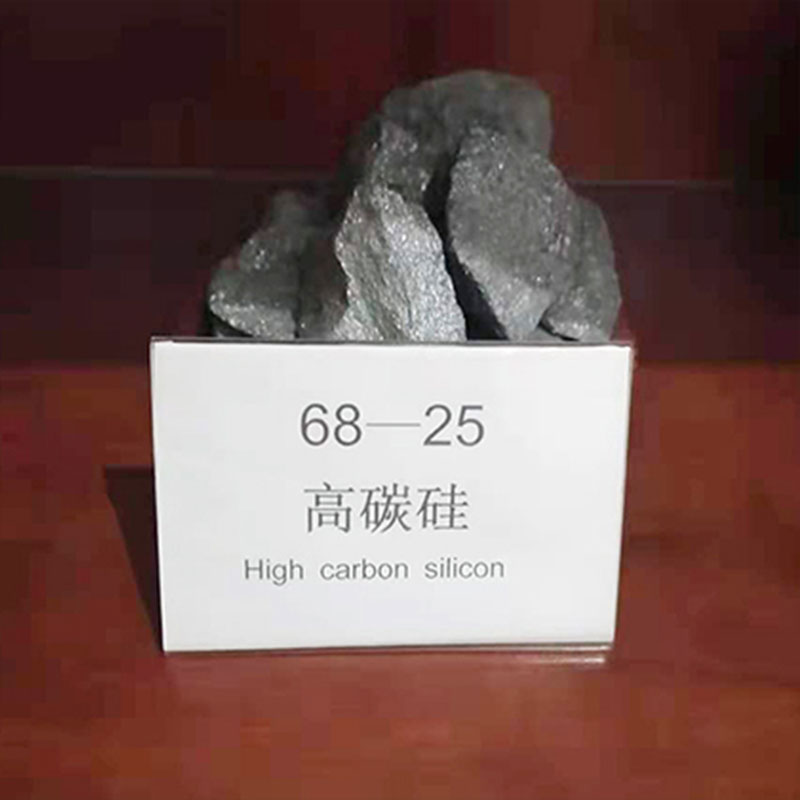
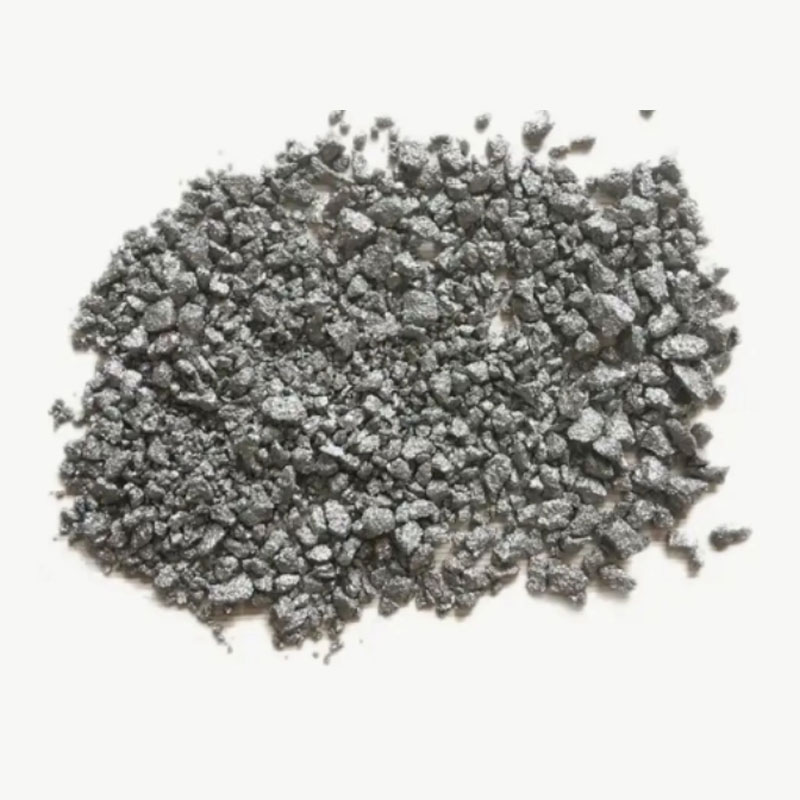
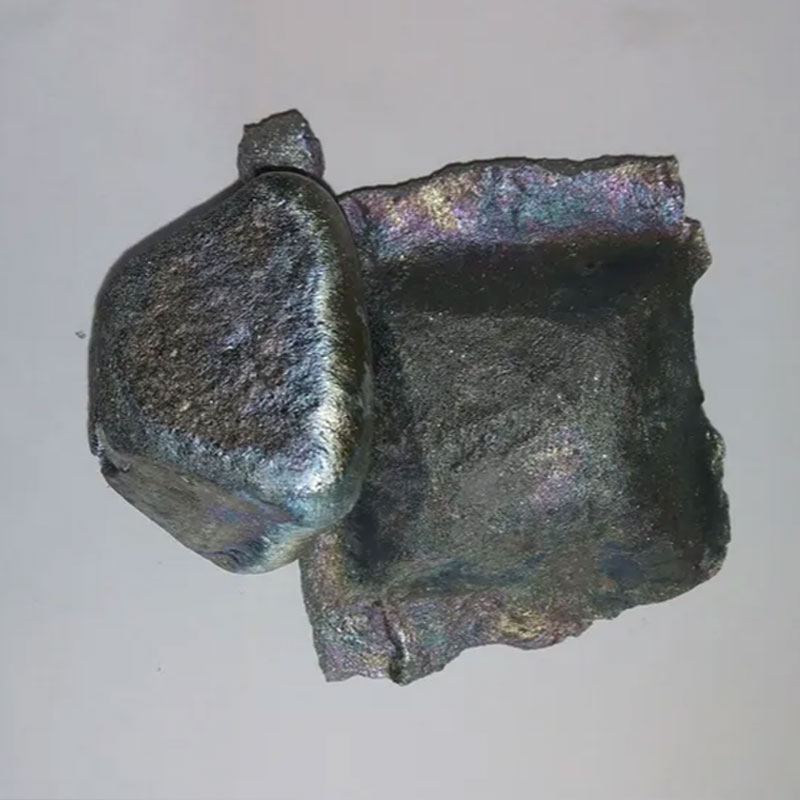
Physically, silico manganese appears as a gray, metallic granular material. Its density and melting point vary slightly depending on the specific grade but generally align with standard ferroalloy handling protocols. The material is brittle, allowing it to be crushed into specific size fractions ranging from fine powder to large lumps based on customer needs.
Production Process and Technology
The manufacturing of silico manganese is an energy-intensive process requiring precise control over raw materials and furnace conditions. Modern facilities utilize advanced submerged arc furnace (SAF) technology to ensure consistency and environmental compliance.
Raw Material Selection
High-quality production begins with the selection of premium manganese ores and quartzite. The ratio of these inputs determines the final silicon-to-manganese balance. Coke or coal serves as the reducing agent, providing the necessary carbon to facilitate the chemical reduction reactions at high temperatures.
Industry experts emphasize the importance of ore beneficiation before smelting. Removing gangue materials early in the process improves furnace efficiency and reduces slag volume, leading to lower energy consumption per ton of alloy produced.
Smelting Operations
Inside the submerged arc furnace, electrodes generate intense heat, reaching temperatures exceeding 1500°C. The raw materials melt and react, separating into two distinct layers: the heavier molten alloy settles at the bottom, while the lighter slag floats on top.
- Charging: Raw materials are continuously fed into the furnace to maintain reaction stability.
- Reduction: Chemical reactions convert oxides into metallic elements.
- Tapping: Molten alloy is periodically drained into ladles for casting.
- Casting and Crushing: The alloy solidifies into pigs or granules and is subsequently crushed to specified sizes.
Environmental controls are integral to modern operations. Off-gas systems capture particulate matter and recycle usable energy, aligning production with global sustainability goals expected in 2026.
Leading Producers and Quality Standards
As the global demand for high-performance steel grows, the role of experienced manufacturers becomes increasingly critical. Inner Mongolia Xinxin Silicon Industry Co., Ltd. stands out as one of the largest producers in the region, located within the strategic Inner Mongolia Development Zone industrial park. With a long history and profound cultural heritage, the company has established a reputation for stable product quality and high market visibility both domestically and internationally.
Dedicated to the philosophy of “quality for survival, integrity for development, and technology for efficiency,” Inner Mongolia Xinxin Silicon Industry employs a perfect management and quality assurance system. Their facility features comprehensive processing lines not only for silicon manganese alloy but also for ferrosilicon, calcium silicon, silicon barium calcium, silicon metal, cored wire, nodulizers, and various composite deoxidizers and desulfurizers. To ensure every batch meets rigorous national standards, the company utilizes a complete set of precision testing equipment and instruments. Furthermore, experienced engineers guide the production process, overseeing workers to maintain exacting specifications. This commitment to excellence has earned the company numerous honors in the metallurgical industry and the certification of the Quality and Technical Supervision Bureau, making them a trusted partner for steelmakers seeking reliability and technical expertise.
Applications in the Steel Industry
The versatility of silico manganese makes it indispensable across various sectors of the steel industry. From basic construction materials to high-performance automotive components, its applications are vast and varied.
Carbon and Low-Alloy Steels
In the production of carbon steels, silico manganese is the standard additive for achieving desired mechanical properties. It ensures that rebar, beams, and plates possess the necessary strength to support heavy infrastructure projects.
For low-alloy steels, the alloy helps refine grain structure, improving weldability and impact resistance. This is particularly important for pipelines and pressure vessels operating in extreme environments where failure is not an option.
Stainless and Special Steels
Specialized low-carbon versions of silico manganese are critical for stainless steel production. In these applications, maintaining low carbon levels is paramount to preserving corrosion resistance. The alloy allows manufacturers to adjust manganese and silicon content without introducing unwanted carbon.
Tool steels and spring steels also benefit from the precise alloying capabilities. The enhanced hardenability provided by manganese ensures that tools retain their edge and springs maintain their elasticity over millions of cycles.
Foundry Applications
Beyond bulk steelmaking, foundries utilize silico manganese to modify the properties of cast iron. It promotes the formation of desirable microstructures, reducing the risk of shrinkage defects and improving machinability.
By controlling the sulfur content effectively, the alloy helps produce smoother castings with better surface finishes, reducing the need for extensive post-processing machining.
Silico Manganese vs. Other Ferroalloys
Selecting the right additive is a strategic decision for steelmakers. While silico manganese is popular, it is often compared against other ferroalloys like ferromanganese and ferrosilicon. Understanding the distinctions helps in optimizing cost and performance.
| Feature | Silico Manganese | Ferromanganese | Ferrosilicon |
|---|---|---|---|
| Primary Function | Deoxidation + Alloying | Alloying (Mn source) | Deoxidation (Si source) |
| Silicon Content | 14% – 30% | Low (<2%) | 15% – 90% |
| Manganese Content | 60% – 70% | 70% – 80% | Negligible |
| Cost Efficiency | High (Dual purpose) | Moderate | Moderate |
| Typical Use Case | General Steelmaking | High Mn Steels | Electrical Steels |
The table above highlights why silico manganese is often the preferred choice for general steelmaking. Its dual functionality eliminates the need to add two separate alloys, streamlining the charging process and reducing thermal losses associated with multiple additions.
However, for specific high-manganese austenitic steels, high-carbon ferromanganese might be more appropriate. Similarly, for electrical steels requiring very high silicon content, ferrosilicon remains the dominant choice. The decision ultimately rests on the target chemistry of the final steel grade.
Advantages and Limitations
Like any industrial material, silico manganese comes with a set of strengths and constraints. A balanced view helps procurement managers and metallurgists make informed decisions.
Core Advantages
- Cost Reduction: Combining deoxidation and alloying steps lowers overall production costs.
- Improved Yield: High recovery rates of both silicon and manganese maximize material utilization.
- Versatility: Suitable for a wide range of steel grades from mild to high-strength.
- Inclusion Control: Promotes the formation of harmless inclusions, enhancing steel cleanliness.
Potential Limitations
One limitation is the fixed ratio of silicon to manganese. If a steel grade requires a significant adjustment of one element without changing the other, using silico manganese alone may necessitate supplementary additions of pure ferrosilicon or ferromanganese.
Additionally, the material is sensitive to moisture if not stored correctly. Exposure to damp conditions can lead to degradation or safety hazards during handling due to potential gas generation. Proper warehousing practices are therefore essential.
Storage and Handling Guidelines
To maintain the quality and safety of silico manganese, strict adherence to storage and handling protocols is required. These guidelines ensure the material performs as expected upon arrival at the steel mill.
Storage Requirements
The alloy should be stored in a dry, well-ventilated area away from direct exposure to rain or humidity. Moisture can cause the material to oxidize prematurely or react to form gases, posing safety risks.
Segregation from incompatible materials, such as strong acids or oxidizers, is mandatory. Piles should be stabilized to prevent collapse, and clear labeling should indicate the specific grade and batch number for traceability.
Safety Precautions
When handling silico manganese, personnel must wear appropriate personal protective equipment (PPE). This includes dust masks to prevent inhalation of fine particles, safety goggles, and heavy-duty gloves.
- Dust Control: Implement suppression systems during crushing and loading to minimize airborne particulates.
- Fire Safety: Although not highly flammable, fine powders can pose dust explosion risks under specific conditions.
- First Aid: Immediate washing of skin contact areas and medical attention for eye exposure are standard protocols.
Regular training for staff on Material Safety Data Sheets (MSDS) ensures a culture of safety within the facility, minimizing occupational health risks.
Market Trends and Future Outlook 2026
The silico manganese market is evolving in response to global shifts in steel demand and environmental regulations. As we move through 2026, several key trends are shaping the landscape.
Sustainability Drivers
Green steel initiatives are pushing producers to adopt cleaner production methods. There is a growing preference for silico manganese manufactured using renewable energy sources and efficient off-gas recycling technologies.
Steelmakers are increasingly demanding low-carbon footprint alloys to meet their own Scope 3 emission targets. Suppliers who can provide verified environmental data gain a competitive edge in tenders for major infrastructure projects.
Technological Advancements
Automation in furnace control systems is improving batch consistency and reducing energy waste. Advanced sensors allow for real-time adjustments to the smelting process, ensuring tighter tolerances on chemical composition.
Research into alternative reductants and ore blends continues to optimize costs without compromising quality. These innovations are crucial as raw material prices fluctuate in the global commodity markets.
Regional Demand Shifts
While traditional markets in Europe and North America remain stable, significant growth is observed in emerging economies expanding their infrastructure. Urbanization drives the need for high-strength construction steels, directly boosting silico manganese consumption.
The automotive sector’s transition to lighter, stronger vehicles also sustains demand. Advanced high-strength steels (AHSS) rely on precise alloying, keeping silico manganese at the forefront of material science developments.
Frequently Asked Questions (FAQ)
Addressing common queries helps clarify technical details and supports decision-making for industry professionals.
What is the main difference between silico manganese and ferromanganese?
The primary difference lies in the silicon content. Silico manganese contains significant amounts of silicon (14-30%), acting as both a deoxidizer and an alloying agent. Ferromanganese has negligible silicon and is used primarily to add manganese. Using silico manganese can often replace the need for separate ferrosilicon additions.
How is silico manganese added to the steel melt?
It is typically added during the tapping phase or in the ladle furnace. The timing depends on the specific steelmaking process (BOF, EAF, or induction). Adding it too early can lead to oxidation losses, while adding it too late may result in poor homogeneity. Optimal addition ensures maximum recovery of both silicon and manganese.
Can silico manganese be used in stainless steel production?
Yes, but only specific low-carbon grades are suitable. Standard silico manganese contains carbon levels that are too high for most stainless steel applications. Low-carbon variants are specially produced to meet the stringent requirements of austenitic and ferritic stainless steels.
What factors influence the price of silico manganese?
Prices are influenced by the cost of raw materials (manganese ore, quartz, coke), energy costs (electricity), and logistics. Global supply chain dynamics and trade policies also play a significant role. Fluctuations in the Chinese market, a major producer, often impact global pricing trends.
Is silico manganese hazardous to handle?
While not acutely toxic, it generates dust that can be harmful if inhaled over long periods. Manganese exposure in excessive amounts can affect the nervous system. Therefore, proper ventilation and respiratory protection are mandatory during handling and processing operations.
Expert Insights on Optimization
Maximizing the value of silico manganese requires more than just purchasing the material; it demands strategic integration into the production workflow. Industry veterans suggest focusing on recovery rates and timing.
Optimizing the addition sequence can improve yield by several percentage points, translating to substantial cost savings over a year. Furthermore, collaborating closely with suppliers to tailor grain size to specific injection systems can enhance dissolution rates and reduce processing time.
Quality consistency is another pillar of success. Regular spectrographic analysis of incoming batches ensures that the alloy meets specifications, preventing downstream quality issues in the final steel product. Building long-term partnerships with reliable suppliers fosters trust and ensures priority access during tight market conditions.
Conclusion and Strategic Recommendations
Silico manganese remains an indispensable component in the 2026 steelmaking landscape, offering a unique blend of deoxidation and alloying capabilities. Its role in enhancing the strength, durability, and cleanliness of steel cannot be overstated. From infrastructure to automotive manufacturing, the alloy underpins the quality of modern metal products.
For steel producers, the key to leveraging silico manganese lies in selecting the correct grade for the specific application and optimizing handling procedures to maximize recovery. Understanding the trade-offs between different ferroalloys allows for more cost-effective charge calculations.
Who should use this guide? This resource is designed for procurement managers, metallurgists, and plant operators seeking to refine their alloying strategies. By adhering to the storage guidelines and staying informed about market trends, organizations can secure a competitive advantage.
As the industry moves towards greener and more efficient practices, partnering with suppliers who prioritize sustainability and technical excellence is the logical next step. Evaluate your current alloying mix, consider the benefits of optimized silico manganese usage, and consult with technical experts to tailor solutions for your specific production needs.