+86-15134803151
- Chinese
- French
- German
- Portuguese
- Spanish
- Russian
- Japanese
- Korean
- Arabic
- Irish
- Greek
- Turkish
- Italian
- Danish
- Romanian
- Indonesian
- Czech
- Afrikaans
- Swedish
- Polish
- Basque
- Catalan
- Esperanto
- Hindi
- Lao
- Albanian
- Amharic
- Armenian
- Azerbaijani
- Belarusian
- Bengali
- Bosnian
- Bulgarian
- Cebuano
- Chichewa
- Corsican
- Croatian
- Dutch
- Estonian
- Filipino
- Finnish
- Frisian
- Galician
- Georgian
- Gujarati
- Haitian
- Hausa
- Hawaiian
- Hebrew
- Hmong
- Hungarian
- Icelandic
- Igbo
- Javanese
- Kannada
- Kazakh
- Khmer
- Kurdish
- Kyrgyz
- Latin
- Latvian
- Lithuanian
- Luxembou..
- Macedonian
- Malagasy
- Malay
- Malayalam
- Maltese
- Maori
- Marathi
- Mongolian
- Burmese
- Nepali
- Norwegian
- Pashto
- Persian
- Punjabi
- Serbian
- Sesotho
- Sinhala
- Slovak
- Slovenian
- Somali
- Samoan
- Scots Gaelic
- Shona
- Sindhi
- Sundanese
- Swahili
- Tajik
- Tamil
- Telugu
- Thai
- Ukrainian
- Urdu
- Uzbek
- Vietnamese
- Welsh
- Xhosa
- Yiddish
- Yoruba
- Zulu
- Kinyarwanda
- Tatar
- Oriya
- Turkmen
- Uyghur



Understanding and Utilizing Silicon Metal
2025-08-13
Content
Understanding and Utilizing Silicon Metal
This comprehensive guide explores the properties, applications, and market dynamics of silicon metal. We delve into its production methods, key specifications, and the diverse industries relying on this essential material. Learn about the different grades available, common uses, and the future trends shaping the silicon metal market.
What is Silicon Metal?
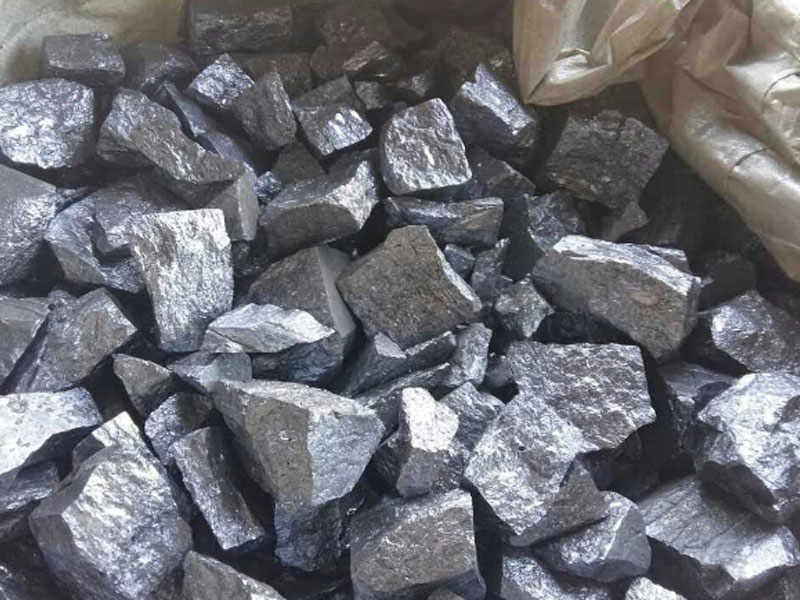
Silicon metal is a metallurgical-grade silicon alloy, primarily composed of silicon (Si) with varying levels of impurities. Its purity determines its applications and value. The production process involves the reduction of silica (SiO2) using carbon in an electric arc furnace. The resulting silicon metal is categorized into grades based on its purity and the presence of other elements like iron, aluminum, and calcium. These grades significantly impact the suitability of the silicon metal for specific applications.
Grades and Specifications of Silicon Metal
Silicon metal is available in various grades, typically classified by their silicon content. Common grades include 98%, 99%, and 99.9% silicon. The higher the percentage of silicon, the higher the purity and generally, the higher the cost. These purity levels influence the end-use applications, with higher-purity grades preferred for applications requiring superior electrical conductivity or demanding chemical purity. Specific chemical compositions, including trace elements, are also crucial. These specifications are often detailed in standards like ASTM (American Society for Testing and Materials) or other industry-specific norms.
Common Grades and their Applications
| Grade (%) | Typical Applications |
|---|---|
| 98% | Metallurgical uses, aluminum alloys, ferrosilicon production |
| 99% | Chemical industry, silicones, solar-grade silicon production |
| 99.9% | Semiconductor industry, high-purity applications, specialized alloys |
Key Applications of Silicon Metal
The diverse applications of silicon metal highlight its importance across various industries. Its unique properties, including high melting point, chemical stability, and electrical conductivity, make it indispensable in numerous processes:
Metallurgy
In metallurgy, silicon metal serves as a deoxidizer and alloying agent in steel and aluminum production. Adding silicon metal improves the strength, ductility, and castability of these metals. It’s also used in the production of ferrosilicon alloys, which are crucial components in steelmaking.
Chemical Industry
The chemical industry uses silicon metal as a raw material for producing organosilicon compounds, silicones, and silanes. These materials are widely used in various applications, from sealants and lubricants to high-performance polymers and electronics.
Solar Energy
The production of solar-grade silicon, the essential component of photovoltaic cells, relies heavily on high-purity silicon metal. The demand for renewable energy continues to drive the growth of the silicon metal market in this sector.
The Future of the Silicon Metal Market
The future of the silicon metal market looks promising, fueled by the increasing demand for renewable energy, advanced materials, and technological advancements. Continued innovation in production methods, aiming for higher purity and efficiency, will likely shape the industry. The ever-growing need for electronic components and the expanding solar energy sector will ensure the continued importance of silicon metal for years to come. For high-quality silicon metal and related products, consider exploring suppliers like Inner Mongolia Xinxin Silicon Industry Co.,Ltd.
Conclusion
Silicon metal is a versatile and crucial material underpinning several critical industries. Understanding its properties, grades, and applications is crucial for professionals across various sectors. The continued development and refinement of silicon metal will undoubtedly drive further advancements in technology and sustainable solutions.