+86-15134803151
- Chinese
- French
- German
- Portuguese
- Spanish
- Russian
- Japanese
- Korean
- Arabic
- Irish
- Greek
- Turkish
- Italian
- Danish
- Romanian
- Indonesian
- Czech
- Afrikaans
- Swedish
- Polish
- Basque
- Catalan
- Esperanto
- Hindi
- Lao
- Albanian
- Amharic
- Armenian
- Azerbaijani
- Belarusian
- Bengali
- Bosnian
- Bulgarian
- Cebuano
- Chichewa
- Corsican
- Croatian
- Dutch
- Estonian
- Filipino
- Finnish
- Frisian
- Galician
- Georgian
- Gujarati
- Haitian
- Hausa
- Hawaiian
- Hebrew
- Hmong
- Hungarian
- Icelandic
- Igbo
- Javanese
- Kannada
- Kazakh
- Khmer
- Kurdish
- Kyrgyz
- Latin
- Latvian
- Lithuanian
- Luxembou..
- Macedonian
- Malagasy
- Malay
- Malayalam
- Maltese
- Maori
- Marathi
- Mongolian
- Burmese
- Nepali
- Norwegian
- Pashto
- Persian
- Punjabi
- Serbian
- Sesotho
- Sinhala
- Slovak
- Slovenian
- Somali
- Samoan
- Scots Gaelic
- Shona
- Sindhi
- Sundanese
- Swahili
- Tajik
- Tamil
- Telugu
- Thai
- Ukrainian
- Urdu
- Uzbek
- Vietnamese
- Welsh
- Xhosa
- Yiddish
- Yoruba
- Zulu
- Kinyarwanda
- Tatar
- Oriya
- Turkmen
- Uyghur



Understanding and Utilizing Pure Silicon Metal
2025-10-21
Content
Understanding and Utilizing Pure Silicon Metal
This comprehensive guide explores the properties, applications, and sourcing of pure silicon metal. We delve into its diverse uses across various industries, examining its advantages and limitations. Learn about the manufacturing process, quality considerations, and where to find reliable suppliers of high-purity silicon.
What is Pure Silicon Metal?
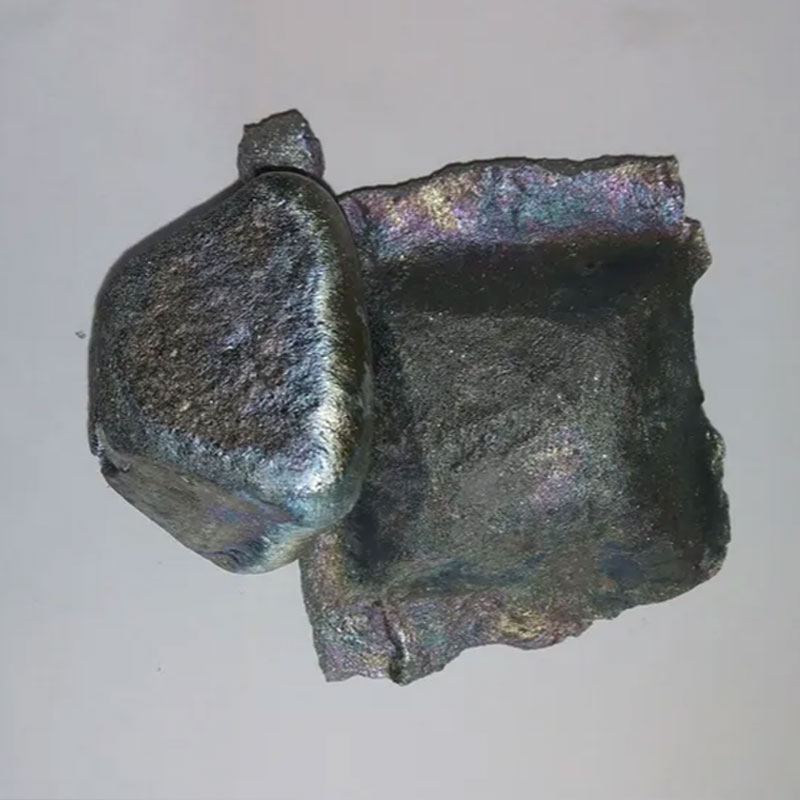
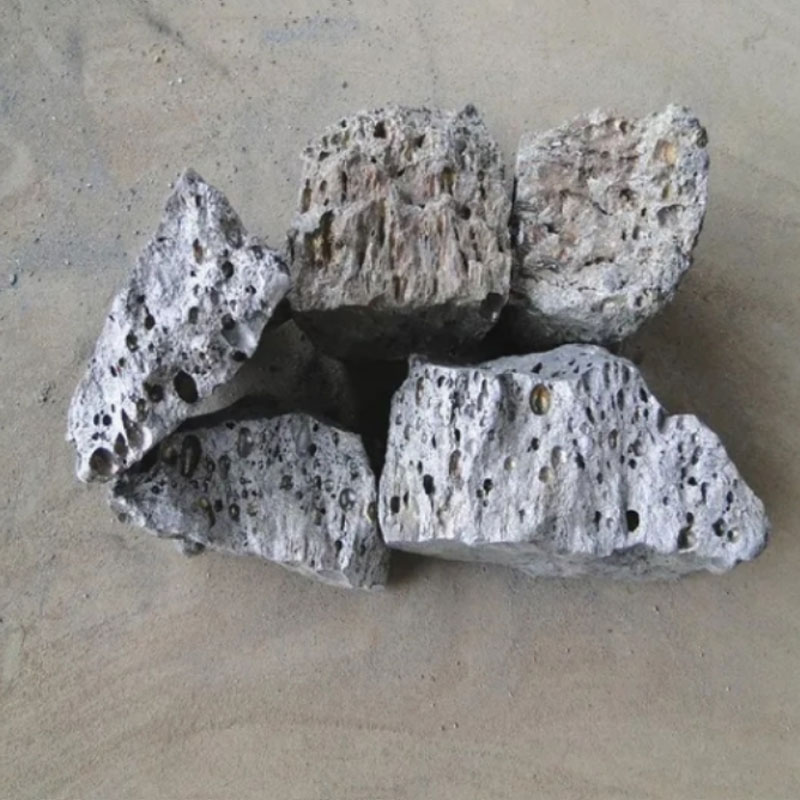
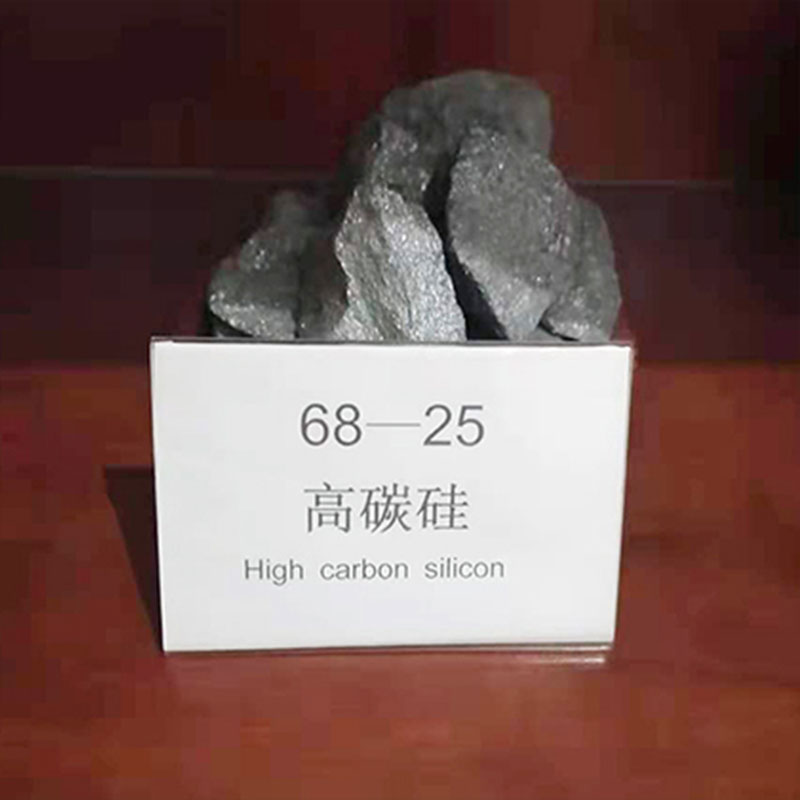
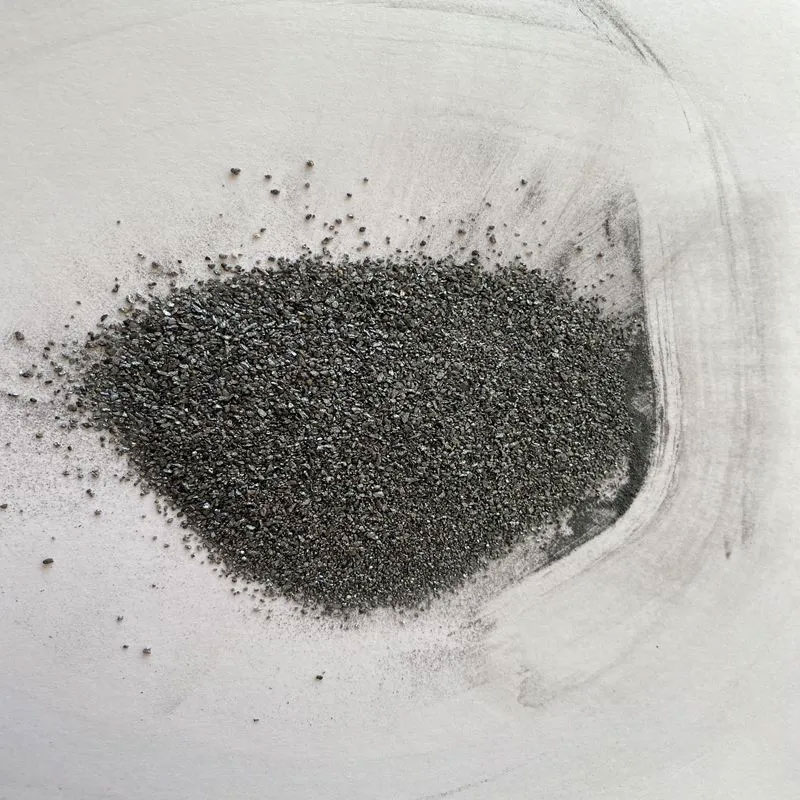
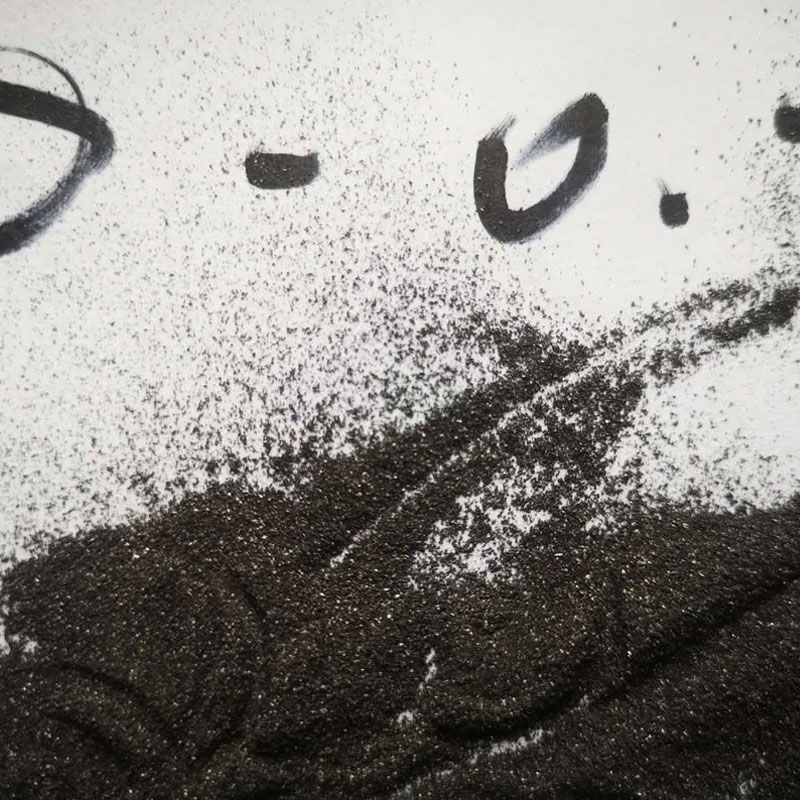
Pure silicon metal, also known as metallurgical-grade silicon, is a refined form of silicon with a high degree of purity. Unlike silicon used in electronics (electronic-grade silicon), metallurgical-grade silicon typically contains a higher level of impurities. However, the level of purity required depends heavily on the intended application. The production process involves several steps to achieve the desired purity level, often starting with the reduction of silica (SiO2) in an electric arc furnace. The resulting silicon is then purified further through processes like chemical treatment and refining.
Applications of Pure Silicon Metal
Polysilicon Production
One of the most significant uses of pure silicon metal is in the production of polysilicon, a crucial material in the semiconductor industry. High-purity silicon is required for the production of solar cells and integrated circuits, demanding extremely stringent purity levels.
Aluminum Alloys
Adding pure silicon metal to aluminum alloys significantly improves their casting properties. This results in stronger, more durable aluminum parts, commonly used in the automotive and aerospace industries. The addition of silicon enhances fluidity and reduces shrinkage during casting, leading to improved dimensional accuracy and surface finish.
Steel Production
In steelmaking, pure silicon metal acts as a deoxidizer, reducing the amount of oxygen in the molten steel. This improves the steel’s quality and properties, making it stronger and more resistant to corrosion.
Quality and Purity Considerations
The purity of pure silicon metal is critical, as even small amounts of impurities can significantly affect its performance and suitability for different applications. Common impurities include iron, aluminum, and carbon. Manufacturers typically specify the purity level as a percentage, with higher percentages indicating greater purity. The required purity level varies depending on the application. For instance, semiconductor-grade silicon requires significantly higher purity than that used in aluminum alloys.
Sourcing Pure Silicon Metal
Reliable suppliers are crucial for obtaining high-quality pure silicon metal. It’s essential to carefully evaluate potential suppliers based on their track record, quality control procedures, and ability to consistently deliver materials meeting the specified requirements. Consider factors like the supplier’s certification, testing methods, and customer support. Inner Mongolia Xinxin Silicon Industry Co.,Ltd (https://www.xinxinsilicon.com/) is a leading producer of high-quality silicon materials. They are committed to providing reliable and consistent supplies of pure silicon metal to meet the demands of various industries.
Comparison of Different Grades of Silicon
| Grade | Purity (%) | Typical Applications |
|---|---|---|
| Metallurgical Grade | 98-99.9% | Aluminum alloys, steel production |
| Solar Grade | 99.99% | Solar cells |
| Electronic Grade | 99.9999% + | Semiconductors, integrated circuits |
This information is for general knowledge and informational purposes only, and does not constitute professional advice. Always consult with relevant experts for specific applications and requirements.