+86-15134803151
- Chinese
- French
- German
- Portuguese
- Spanish
- Russian
- Japanese
- Korean
- Arabic
- Irish
- Greek
- Turkish
- Italian
- Danish
- Romanian
- Indonesian
- Czech
- Afrikaans
- Swedish
- Polish
- Basque
- Catalan
- Esperanto
- Hindi
- Lao
- Albanian
- Amharic
- Armenian
- Azerbaijani
- Belarusian
- Bengali
- Bosnian
- Bulgarian
- Cebuano
- Chichewa
- Corsican
- Croatian
- Dutch
- Estonian
- Filipino
- Finnish
- Frisian
- Galician
- Georgian
- Gujarati
- Haitian
- Hausa
- Hawaiian
- Hebrew
- Hmong
- Hungarian
- Icelandic
- Igbo
- Javanese
- Kannada
- Kazakh
- Khmer
- Kurdish
- Kyrgyz
- Latin
- Latvian
- Lithuanian
- Luxembou..
- Macedonian
- Malagasy
- Malay
- Malayalam
- Maltese
- Maori
- Marathi
- Mongolian
- Burmese
- Nepali
- Norwegian
- Pashto
- Persian
- Punjabi
- Serbian
- Sesotho
- Sinhala
- Slovak
- Slovenian
- Somali
- Samoan
- Scots Gaelic
- Shona
- Sindhi
- Sundanese
- Swahili
- Tajik
- Tamil
- Telugu
- Thai
- Ukrainian
- Urdu
- Uzbek
- Vietnamese
- Welsh
- Xhosa
- Yiddish
- Yoruba
- Zulu
- Kinyarwanda
- Tatar
- Oriya
- Turkmen
- Uyghur



Silicon Metal Powder: A Comprehensive Guide
2025-09-10
Content
Silicon Metal Powder: A Comprehensive GuideThis article provides a comprehensive overview of silicon metal powder, covering its properties, applications, manufacturing processes, and market trends. Learn about the different grades available, safety considerations, and key factors to consider when selecting a supplier.
Silicon Metal Powder: A Comprehensive Guide
Silicon metal powder is a versatile material with a wide range of applications across various industries. Understanding its properties, production methods, and potential uses is crucial for anyone working with or considering this material. This guide will delve into the specifics of silicon metal powder, helping you make informed decisions.
Properties and Characteristics of Silicon Metal Powder
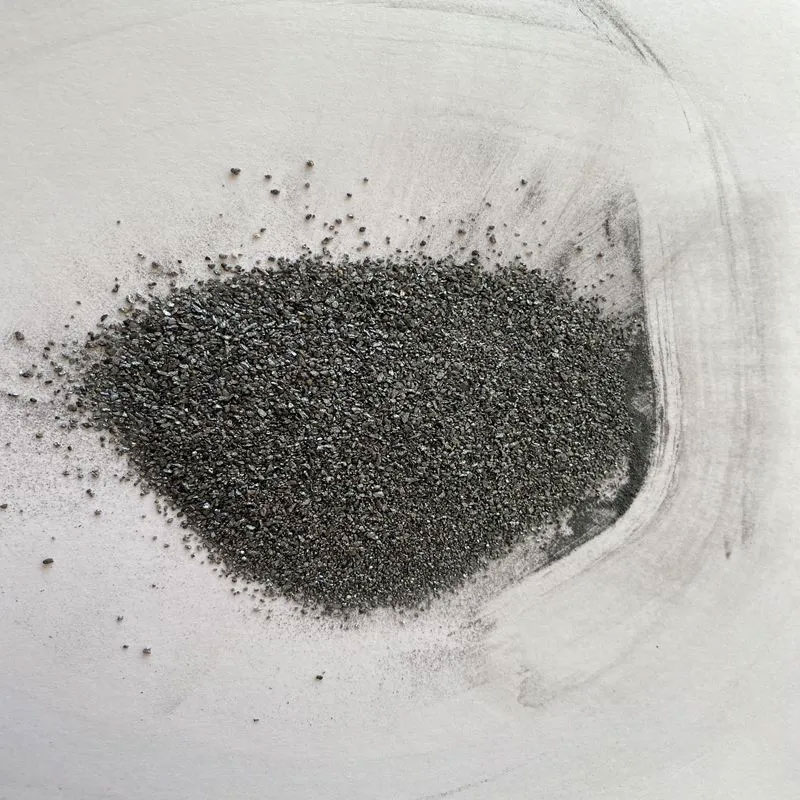
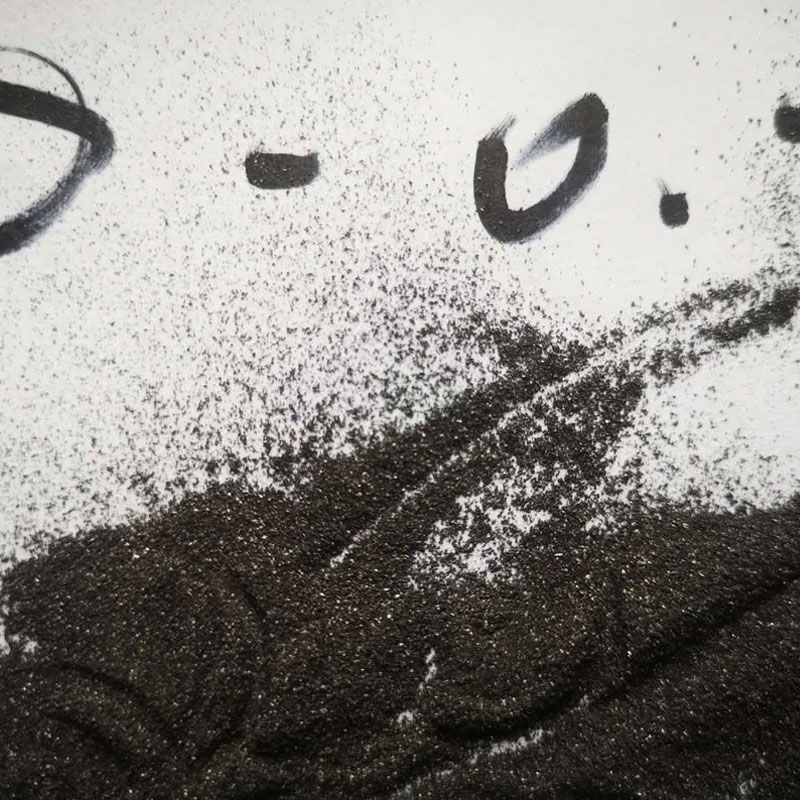
Silicon metal powder is characterized by its fine particle size, high purity, and excellent reactivity. The specific properties vary depending on the manufacturing process and intended application. Key characteristics include:
Particle Size Distribution
The particle size distribution significantly impacts the performance of silicon metal powder in different applications. Finer particles offer increased surface area, leading to enhanced reactivity. Conversely, coarser particles might be preferred for certain applications requiring greater strength or stability. The particle size distribution is often expressed as a range (e.g., D50, D90).
Purity and Composition
The purity of silicon metal powder is crucial, influencing its performance and suitability for specific applications. Impurities can significantly affect its properties and reactivity. Common impurities include iron, aluminum, and calcium. High-purity silicon metal powder is essential for electronics and other sensitive applications.
Morphology and Surface Area
The morphology of the powder particles (shape, texture) affects its flowability, compaction behavior, and reactivity. A higher surface area generally increases reactivity. Different production methods result in variations in particle morphology.
Applications of Silicon Metal Powder
The diverse properties of silicon metal powder allow for its use in various industries. Some key applications include:
Metallurgy
Silicon metal powder is widely used as an alloying agent in the production of aluminum alloys, improving their strength and castability. It’s also used in the production of ferrosilicon alloys.
Chemicals and Ceramics
In the chemical industry, silicon metal powder serves as a reducing agent in various chemical reactions. It’s also a key component in the production of silicones and other silicon-based materials. In ceramics, it is used in the manufacture of high-performance ceramics.
Electronics
High-purity silicon metal powder finds applications in the electronics industry, particularly in the production of solar cells and semiconductor devices. Its semiconducting properties are key to its utility here.
Manufacturing Processes of Silicon Metal Powder
Several methods are employed to produce silicon metal powder, each with its own advantages and disadvantages. Common techniques include:
Mechanical Attrition
This involves grinding or milling larger pieces of silicon metal into a fine powder. This method is relatively simple but may produce particles with varying sizes and shapes.
Gas Atomization
Molten silicon metal is atomized into fine droplets by a high-velocity gas stream, which then solidify into powder particles. This method yields spherical particles with a narrow size distribution and high surface area.
Chemical Vapor Deposition (CVD)
CVD methods allow for the production of very high-purity silicon metal powder by depositing silicon from a gaseous precursor onto a substrate.
Choosing a Supplier of Silicon Metal Powder
When selecting a supplier of silicon metal powder, several factors should be considered:
- Purity and consistency of the product
- Particle size distribution and morphology
- Price and availability
- Reputation and reliability of the supplier
- Quality control and certifications
Inner Mongolia Xinxin Silicon Industry Co.,Ltd (https://www.xinxinsilicon.com/) is a leading producer of high-quality silicon products, including silicon metal powder. They offer a wide range of products to meet diverse industrial needs.
Safety Considerations
Handling silicon metal powder requires appropriate safety precautions. It is important to avoid inhalation of the dust, as it can cause respiratory irritation. Appropriate personal protective equipment (PPE), such as respirators and gloves, should be worn when handling the powder. Proper ventilation is also crucial.
Market Trends
The market for silicon metal powder is expected to experience growth driven by increasing demand from various sectors. Technological advancements and innovations in manufacturing techniques are further shaping the market landscape.
Note: Market size and growth rate estimations are illustrative and require further research for precise figures.