+86-15134803151
- English
- Chinese
- French
- German
- Portuguese
- Spanish
- Russian
- Japanese
- Korean
- Arabic
- Irish
- Greek
- Turkish
- Italian
- Danish
- Romanian
- Indonesian
- Czech
- Afrikaans
- Swedish
- Polish
- Basque
- Catalan
- Esperanto
- Hindi
- Lao
- Albanian
- Amharic
- Armenian
- Azerbaijani
- Belarusian
- Bengali
- Bosnian
- Bulgarian
- Cebuano
- Chichewa
- Corsican
- Croatian
- Dutch
- Estonian
- Filipino
- Finnish
- Frisian
- Galician
- Georgian
- Gujarati
- Hausa
- Hawaiian
- Hebrew
- Hmong
- Hungarian
- Icelandic
- Igbo
- Javanese
- Kannada
- Kazakh
- Khmer
- Kurdish
- Kyrgyz
- Latin
- Latvian
- Lithuanian
- Luxembou..
- Macedonian
- Malagasy
- Malay
- Malayalam
- Maltese
- Maori
- Marathi
- Mongolian
- Burmese
- Nepali
- Norwegian
- Pashto
- Persian
- Punjabi
- Serbian
- Sesotho
- Sinhala
- Slovak
- Slovenian
- Somali
- Samoan
- Scots Gaelic
- Shona
- Sindhi
- Sundanese
- Swahili
- Tajik
- Tamil
- Telugu
- Thai
- Ukrainian
- Urdu
- Uzbek
- Vietnamese
- Welsh
- Xhosa
- Yiddish
- Yoruba
- Zulu
- Kinyarwanda
- Tatar
- Oriya
- Turkmen
- Uyghur



Ferro Silicon Zirconium: A Comprehensive Guide
2025-09-10
Content
Ferro Silicon Zirconium: A Comprehensive Guide
This guide provides a detailed overview of ferro silicon zirconium, exploring its properties, applications, manufacturing processes, and market considerations. We will delve into its chemical composition, examine its role in various industries, and discuss its advantages and disadvantages compared to alternative materials. Learn about the key factors influencing its quality and explore best practices for its safe handling and storage.
Understanding Ferro Silicon Zirconium
Chemical Composition and Properties
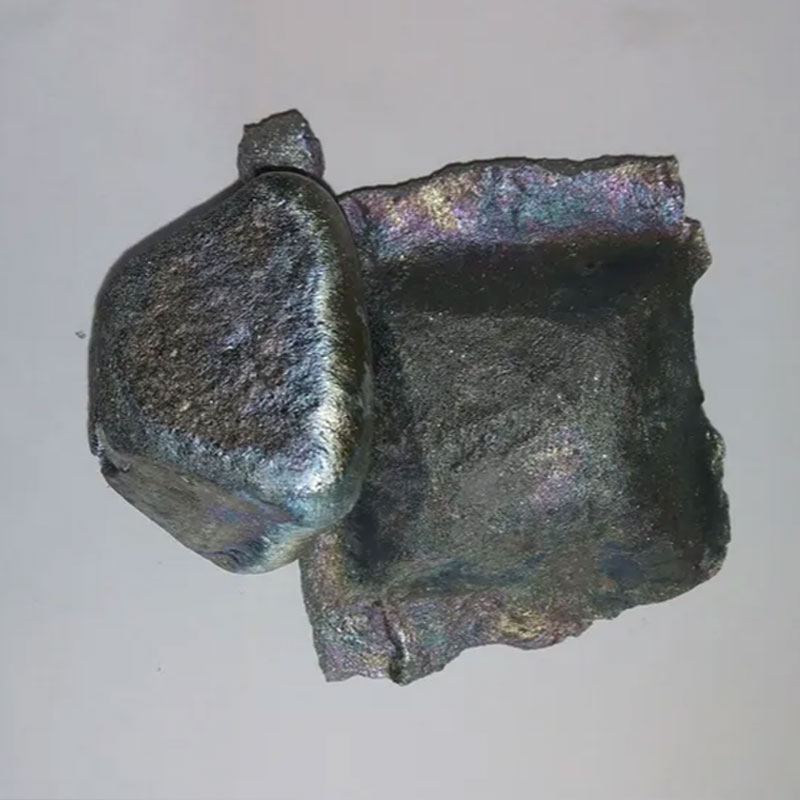
Ferro silicon zirconium is a ferroalloy containing primarily iron (Fe), silicon (Si), and zirconium (Zr). The precise composition varies depending on the intended application and manufacturing process. The addition of zirconium significantly enhances the alloy’s properties, particularly its deoxidation and desulfurization capabilities in steelmaking. Its high melting point and excellent resistance to oxidation are also key characteristics.
Manufacturing Process
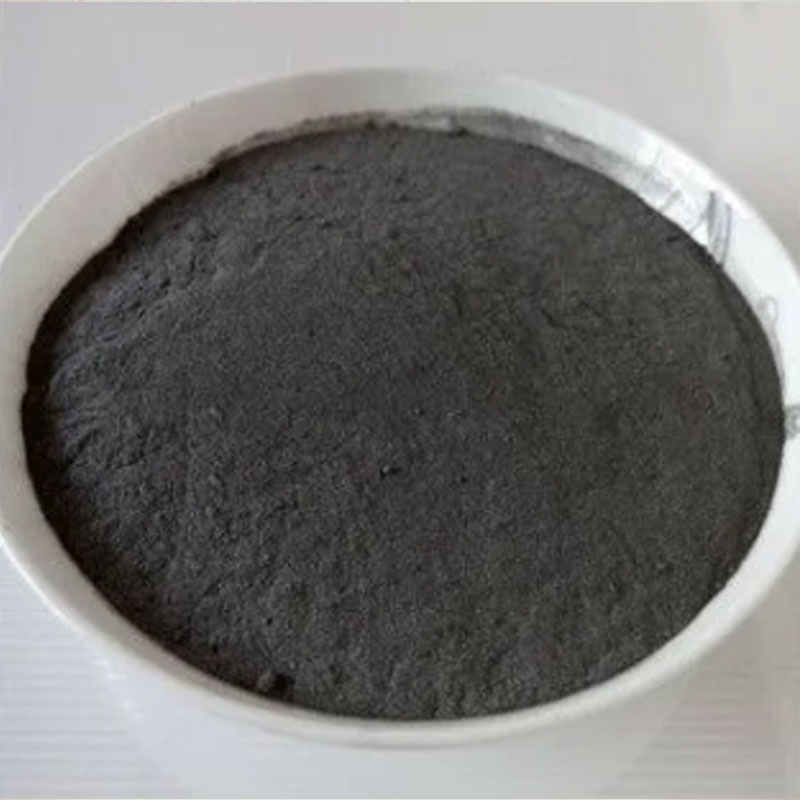
The production of ferro silicon zirconium typically involves a carbothermic reduction process in electric arc furnaces. Raw materials, including zirconium oxide, silicon dioxide, and iron oxide, are charged into the furnace and subjected to high temperatures to facilitate the reduction reaction. The resulting molten alloy is then tapped, cooled, and subsequently crushed and sized according to market demands. The precise parameters of the process, such as temperature and carbon addition, are carefully controlled to achieve the desired chemical composition and properties. The quality of raw materials significantly impacts the final product’s performance. For example, Inner Mongolia Xinxin Silicon Industry Co.,Ltd. (https://www.xinxinsilicon.com/) is a reputable supplier known for its high-quality ferroalloys.
Applications of Ferro Silicon Zirconium
Steelmaking
The primary application of ferro silicon zirconium is in steelmaking. Its high zirconium content makes it an effective deoxidizer and desulfurizer, leading to improved steel quality. It helps remove unwanted oxygen and sulfur impurities, resulting in stronger, more ductile steel with enhanced mechanical properties. The addition of ferro silicon zirconium can also improve the steel’s weldability and resistance to corrosion.
Foundry Applications
In foundry applications, ferro silicon zirconium contributes to improved fluidity and reduced porosity in castings. This results in higher-quality castings with enhanced dimensional accuracy and mechanical strength. The precise amount added depends on the alloy being cast and the desired properties of the final product.
Other Industries
While steelmaking and foundry applications dominate, ferro silicon zirconium finds niche uses in other industries, including the production of specialized alloys and master alloys.
Advantages and Disadvantages
The following table summarizes the advantages and disadvantages of using ferro silicon zirconium:
| Advantage | Disadvantage |
|---|---|
| Effective deoxidation and desulfurization | Can be relatively expensive compared to other deoxidizers |
| Improves steel quality and mechanical properties | Requires careful handling due to its reactivity |
| Enhances casting fluidity and reduces porosity | Specific handling and storage requirements |
Safety and Handling
Ferro silicon zirconium is a reactive material and should be handled with care. Appropriate personal protective equipment (PPE), including gloves, safety glasses, and respirators, should always be worn. Storage should be in a dry, well-ventilated area, away from flammable materials. Avoid contact with water or moisture, as this can lead to hazardous reactions.
Market Considerations
The market for ferro silicon zirconium is influenced by factors such as global steel production, the price of raw materials, and technological advancements. Demand is closely tied to the overall health of the steel industry. Suppliers of ferro silicon zirconium need to maintain a high level of quality control and offer competitive pricing to succeed in this market. Companies like Inner Mongolia Xinxin Silicon Industry Co.,Ltd. contribute significantly to the supply chain.
1 Data on specific chemical compositions and manufacturing processes can vary depending on the supplier. Consult relevant safety data sheets (SDS) for detailed information on safe handling procedures.