+86-15134803151
- English
- Chinese
- French
- German
- Portuguese
- Spanish
- Russian
- Japanese
- Korean
- Arabic
- Irish
- Greek
- Turkish
- Italian
- Danish
- Romanian
- Indonesian
- Czech
- Afrikaans
- Swedish
- Polish
- Catalan
- Esperanto
- Hindi
- Lao
- Albanian
- Amharic
- Armenian
- Azerbaijani
- Belarusian
- Bengali
- Bosnian
- Bulgarian
- Cebuano
- Chichewa
- Corsican
- Croatian
- Dutch
- Estonian
- Filipino
- Finnish
- Frisian
- Galician
- Georgian
- Gujarati
- Haitian
- Hausa
- Hawaiian
- Hebrew
- Hmong
- Hungarian
- Icelandic
- Igbo
- Javanese
- Kannada
- Kazakh
- Khmer
- Kurdish
- Kyrgyz
- Latin
- Latvian
- Lithuanian
- Luxembou..
- Macedonian
- Malagasy
- Malay
- Malayalam
- Maltese
- Maori
- Marathi
- Mongolian
- Burmese
- Nepali
- Norwegian
- Pashto
- Persian
- Punjabi
- Serbian
- Sesotho
- Sinhala
- Slovak
- Slovenian
- Somali
- Samoan
- Scots Gaelic
- Shona
- Sindhi
- Sundanese
- Swahili
- Tajik
- Tamil
- Telugu
- Thai
- Ukrainian
- Urdu
- Uzbek
- Vietnamese
- Welsh
- Xhosa
- Yiddish
- Yoruba
- Zulu
- Kinyarwanda
- Tatar
- Oriya
- Turkmen
- Uyghur



Silicon magnesium alloy’s future applications?
2025-05-21
Content
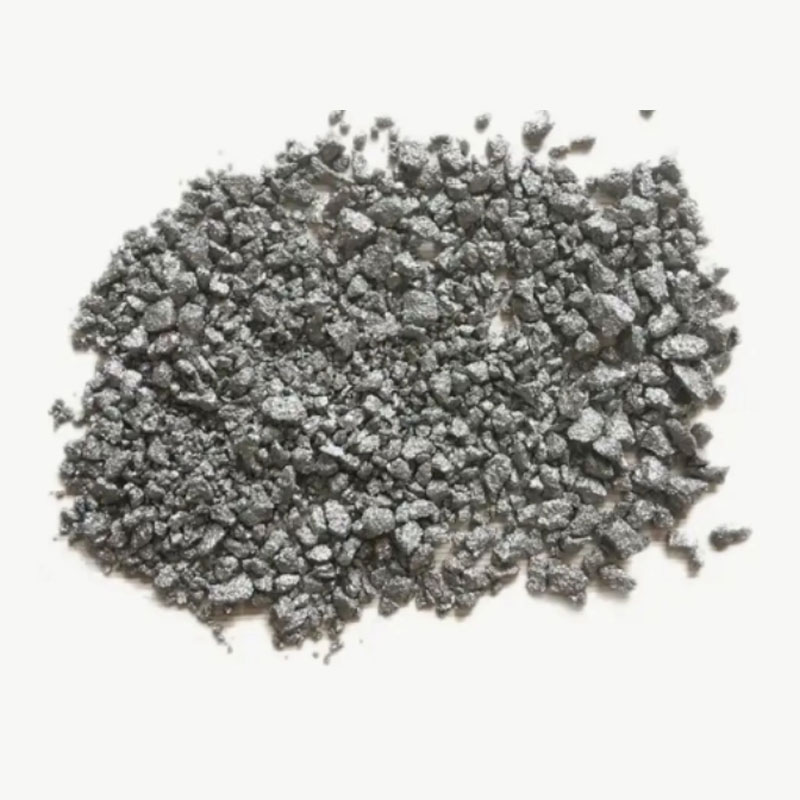
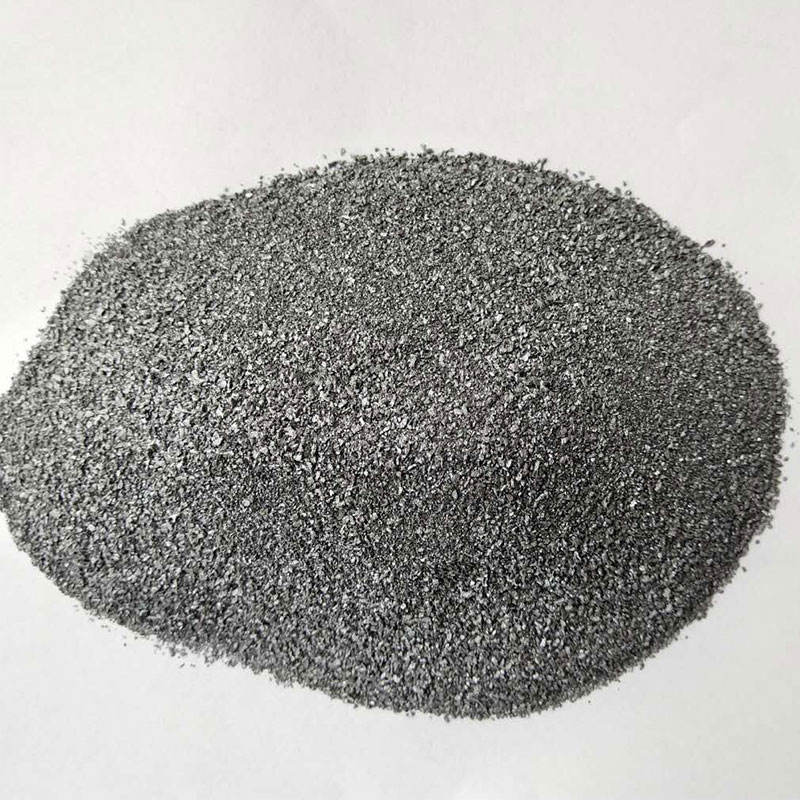
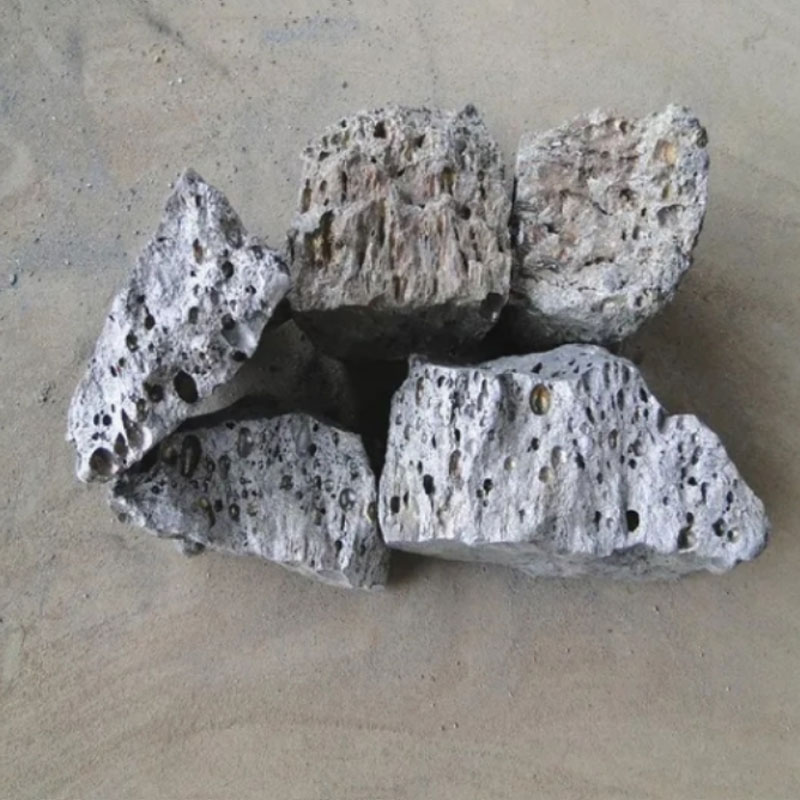
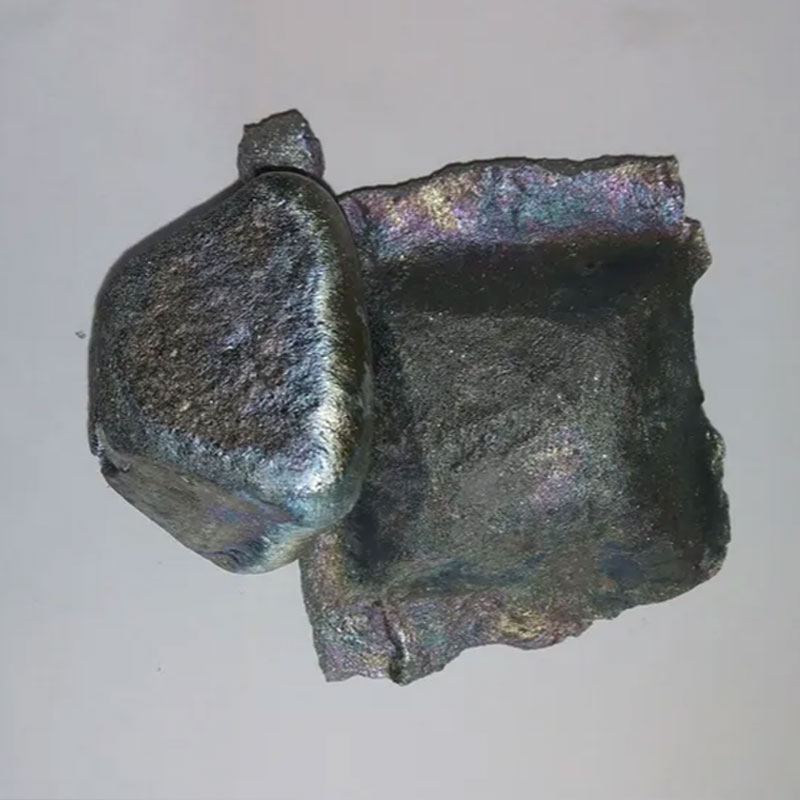
Silicon Magnesium Alloy: A Comprehensive GuideThis article provides a detailed overview of silicon magnesium alloy, exploring its properties, applications, manufacturing processes, and future trends. We delve into the advantages and disadvantages, comparing it to other materials, and offering insights for professionals working with this versatile alloy.
Silicon magnesium alloys are a crucial class of materials used across numerous industries. This guide aims to provide a comprehensive understanding of their composition, properties, and applications, equipping readers with the knowledge necessary to make informed decisions regarding their use. We’ll cover key aspects such as mechanical properties, corrosion resistance, and manufacturing techniques, supported by real-world examples and data.
Composition and Properties of Silicon Magnesium Alloys
Elemental Composition and Variations
Silicon magnesium alloys typically consist of silicon (Si) and magnesium (Mg) as their primary constituents. However, other elements, such as aluminum (Al), manganese (Mn), and zinc (Zn), may be added to tailor the alloy’s properties for specific applications. The precise composition significantly impacts the resulting mechanical strength, ductility, and corrosion resistance. For example, increasing silicon content generally improves strength but can reduce ductility. The specific ratios are determined based on the desired application and performance requirements. Inner Mongolia Xinxin Silicon Industry Co.,Ltd is a leading producer of high-quality silicon materials and offers a variety of customized compositions.
Mechanical Properties
The mechanical properties of silicon magnesium alloys, including tensile strength, yield strength, and elongation, are highly dependent on their composition and processing methods. These alloys are known for their good castability and relatively high strength-to-weight ratio, making them suitable for lightweight applications. The addition of other alloying elements can further enhance these properties. Detailed data on specific alloy compositions can often be found in material datasheets provided by manufacturers such as Inner Mongolia Xinxin Silicon Industry Co.,Ltd.
Corrosion Resistance
The corrosion resistance of silicon magnesium alloys varies depending on the environment and specific alloy composition. Generally, they exhibit moderate corrosion resistance in many environments, but their susceptibility to corrosion can be increased in certain aggressive media. Protective coatings or surface treatments can be applied to enhance corrosion resistance where necessary.
Applications of Silicon Magnesium Alloys
Automotive Industry
Silicon magnesium alloys find significant application in the automotive industry due to their lightweight nature and good mechanical properties. They are used in various components, including engine parts, transmission casings, and body panels, contributing to improved fuel efficiency and reduced vehicle weight.
Aerospace Industry
The aerospace industry also utilizes these alloys for lightweight and high-strength components. Their good castability and machinability make them suitable for complex shapes and geometries frequently found in aerospace applications.
Other Applications
Beyond the automotive and aerospace sectors, silicon magnesium alloys find application in various other fields, including: Electronics Medical implants (in some specific formulations) Sporting goods Machinery components
Manufacturing Processes
Several manufacturing processes are employed to produce silicon magnesium alloys, including casting, forging, and extrusion. The choice of process depends on the desired shape, size, and mechanical properties of the final product. Advanced casting techniques, such as investment casting and die casting, enable the creation of complex shapes with high dimensional accuracy.
Comparison with Other Materials
| Property | Silicon Magnesium Alloy | Aluminum Alloy | Magnesium Alloy |
|---|---|---|---|
| Density | Variable, depending on composition | Relatively low | Very low |
| Strength | Good | Good | Moderate to High |
| Corrosion Resistance | Moderate | Good (with surface treatment) | Moderate (with surface treatment) |
Future Trends
Research and development continue to explore ways to enhance the properties and expand the applications of silicon magnesium alloys. Advances in alloy design and manufacturing techniques are expected to lead to even lighter, stronger, and more corrosion-resistant materials in the future.(Note: Specific data on mechanical properties and corrosion resistance should be sourced from relevant material datasheets provided by manufacturers like Inner Mongolia Xinxin Silicon Industry Co.,Ltd for specific alloy compositions.)