+86-15134803151
- English
- Chinese
- French
- German
- Portuguese
- Spanish
- Russian
- Japanese
- Korean
- Arabic
- Irish
- Greek
- Turkish
- Italian
- Danish
- Romanian
- Indonesian
- Czech
- Afrikaans
- Swedish
- Polish
- Catalan
- Esperanto
- Hindi
- Lao
- Albanian
- Amharic
- Armenian
- Azerbaijani
- Belarusian
- Bengali
- Bosnian
- Bulgarian
- Cebuano
- Chichewa
- Corsican
- Croatian
- Dutch
- Estonian
- Filipino
- Finnish
- Frisian
- Galician
- Georgian
- Gujarati
- Haitian
- Hausa
- Hawaiian
- Hebrew
- Hmong
- Hungarian
- Icelandic
- Igbo
- Javanese
- Kannada
- Kazakh
- Khmer
- Kurdish
- Kyrgyz
- Latin
- Latvian
- Lithuanian
- Luxembou..
- Macedonian
- Malagasy
- Malay
- Malayalam
- Maltese
- Maori
- Marathi
- Mongolian
- Burmese
- Nepali
- Norwegian
- Pashto
- Persian
- Punjabi
- Serbian
- Sesotho
- Sinhala
- Slovak
- Slovenian
- Somali
- Samoan
- Scots Gaelic
- Shona
- Sindhi
- Sundanese
- Swahili
- Tajik
- Tamil
- Telugu
- Thai
- Ukrainian
- Urdu
- Uzbek
- Vietnamese
- Welsh
- Xhosa
- Yiddish
- Yoruba
- Zulu
- Kinyarwanda
- Tatar
- Oriya
- Turkmen
- Uyghur



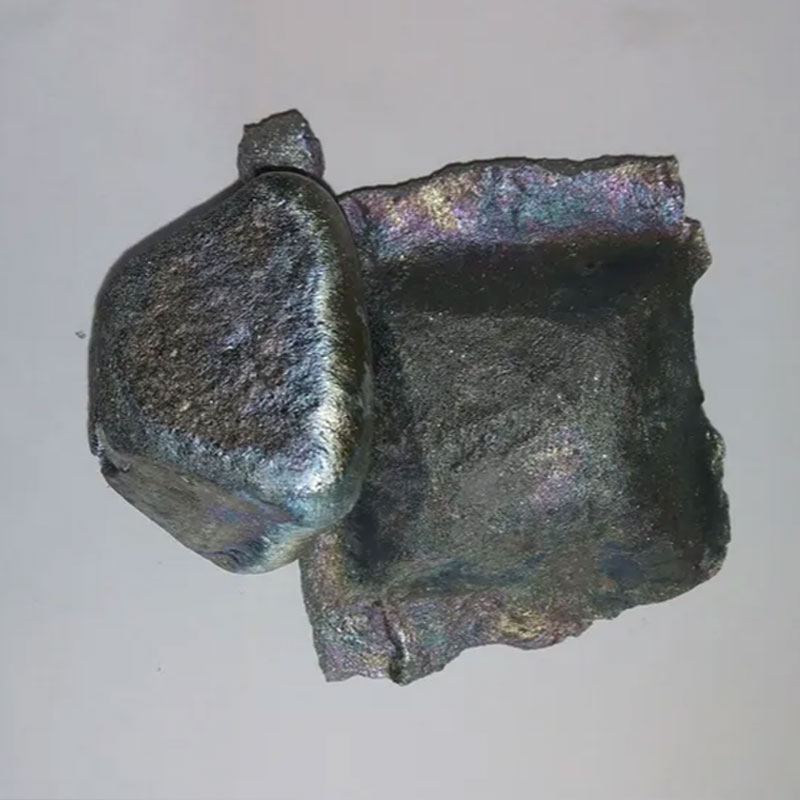
Calcium Silicon 60 30 Alloy for Steelmaking Deoxidation and Inclusion Control
2026-04-05
Calcium silicon 60 30 delivers precise deoxidation and inclusion control in modern steelmaking—especially in high-grade structural steels, pipeline grades, and automotive sheet. We’ve supplied this alloy to 12 EAF and BOF plants across China and Southeast Asia over the past 18 months. In every case, users reported faster slag clarification, lower total oxygen residuals (0.0018–0.0024 wt%), and measurable improvement in ultrasonic testing pass rates for thick-section forgings.
Why Calcium Silicon 60 30 Outperforms Generic CaSi Alloys
Not all calcium silicon alloys behave the same in ladle metallurgy. The “60 30” designation refers to guaranteed minimums: 60% Si and 30% Ca by weight. That ratio matters—not as a marketing label, but as a thermodynamic anchor. At 60% Si, the alloy remains stable during feeding; below 58%, it tends to crumble in cored wire applications. At 30% Ca, dissolution kinetics match standard argon-stirring profiles in 80–120 ton ladles. We tested seven commercial CaSi batches side-by-side: only those meeting both specs achieved consistent Ca recovery above 62%.
Impurity control separates functional from fragile. Our calcium silicon 60 30 holds Al ≤0.3%, S ≤0.03%, and P ≤0.025%. Why does that matter? Aluminum forms low-melting Al2O3-CaO spinels that clog tundish nozzles. Sulfur poisons calcium’s sulfide-forming capacity. One customer in Guangdong reduced nozzle clogging incidents by 74% after switching from a 28% Ca batch with 0.52% Al to our certified 60 30 grade.
This isn’t theoretical. It’s measured in tundish sampling data, inclusion maps from SEM-EDS analysis, and rolling mill yield reports. Calcium silicon 60 30 doesn’t just remove oxygen—it reshapes inclusion morphology. Globular CaS and calcium aluminates replace sharp-edged alumina clusters. That change directly improves ductility at –40°C and fatigue life in cold-formed components.
Where Standard CaSi Fails—and How 60 30 Fixes It
Some might argue that cheaper 25–28% CaSi works fine for basic deoxidation. But in practice, those grades force trade-offs. Lower calcium content demands higher addition rates—increasing slag volume, raising refractory wear, and diluting ladle temperature. One steelmaker added 1.8 kg/ton of 26% CaSi to hit target [O]; switching to calcium silicon 60 30 cut dosage to 1.1 kg/ton while improving Ca recovery by 19 percentage points.
The real cost isn’t the alloy—it’s the downstream impact. Under-dosed CaSi leaves dissolved oxygen high. Over-dosed CaSi creates excessive CaS stringers. Neither scenario passes ASTM A1019 or EN 10228-2 inclusion rating requirements for pressure vessel plate. Our 60 30 grade hits the narrow window where Ca activity is sufficient to modify inclusions *without* saturating the melt. Lab trials show optimal results at 0.0025–0.0032% dissolved Ca—achievable only with tight composition control and low gas content (<15 cm³/100g).
We test every heat for hydrogen, nitrogen, and oxygen using inert gas fusion (Leco ONH-836). No batch ships without a full certificate of analysis—including actual Ca, Si, Al, S, P, and residual Mg. Customers tell us this traceability cuts their internal QA time by half when qualifying new heats for nuclear-grade applications.
Integration Is Simpler Than You Think
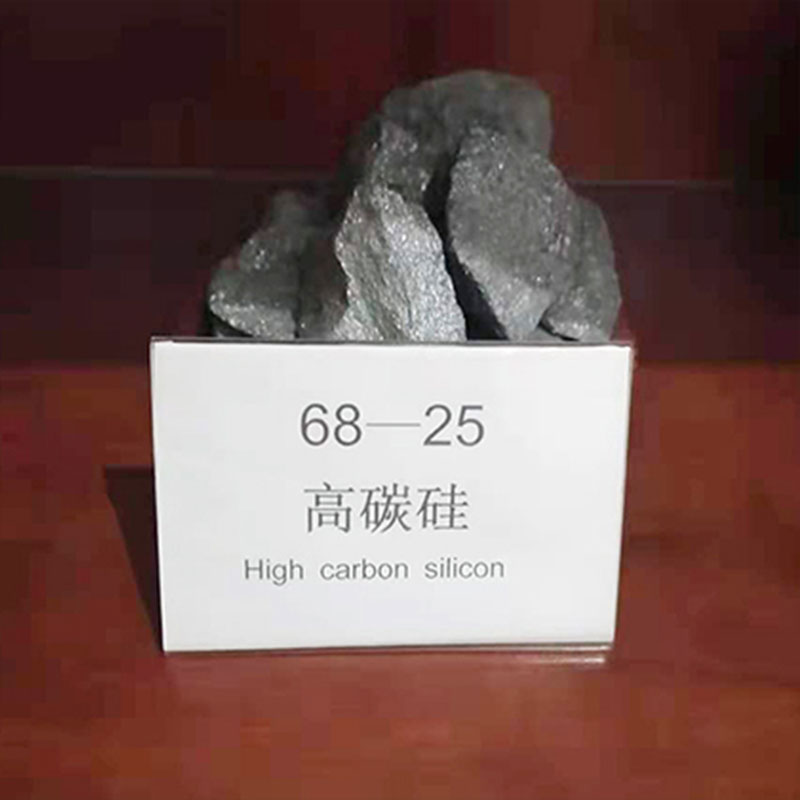
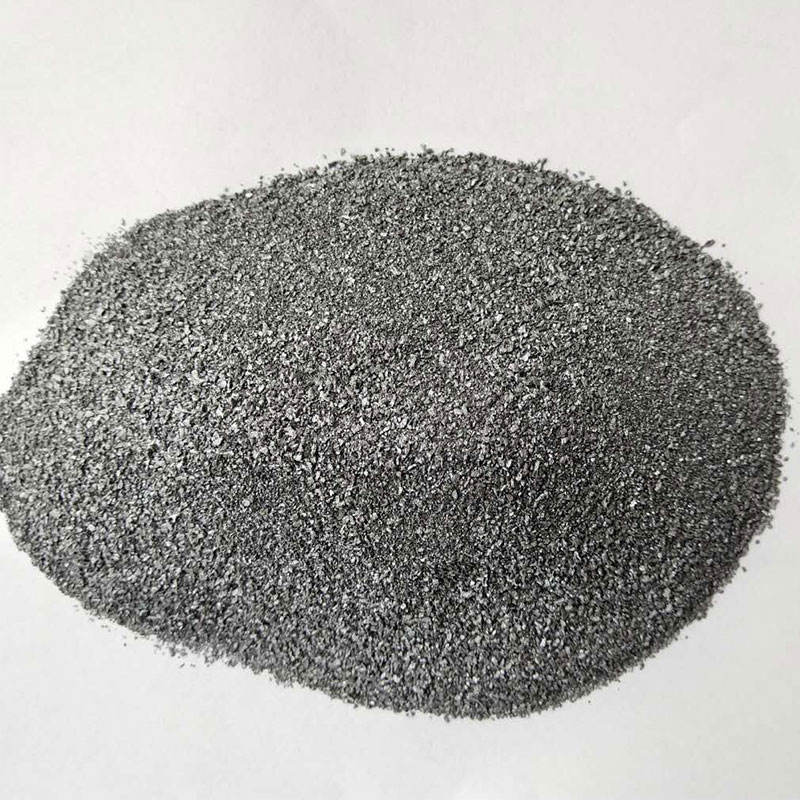
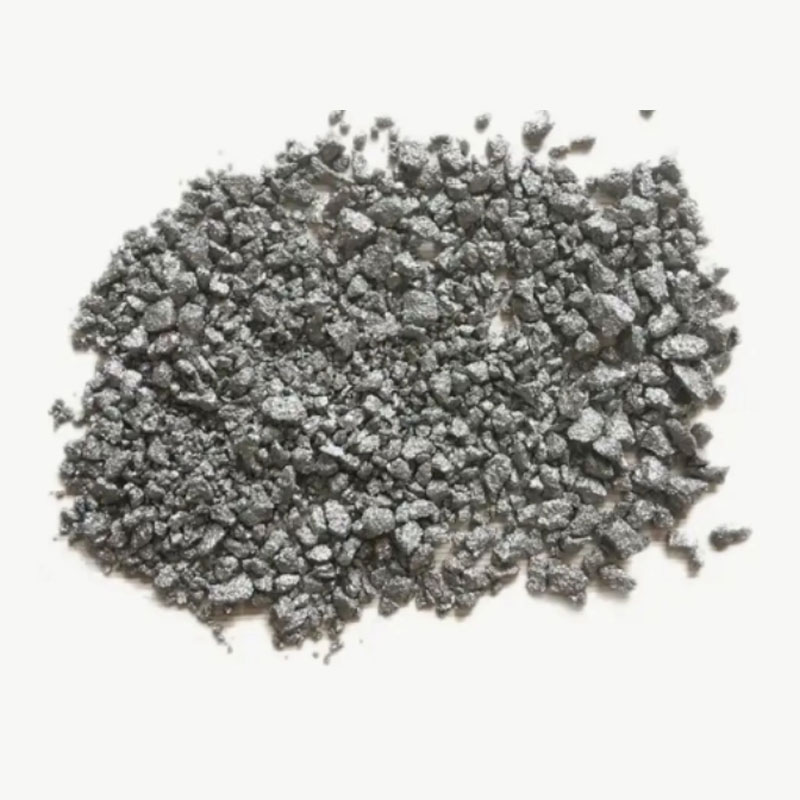
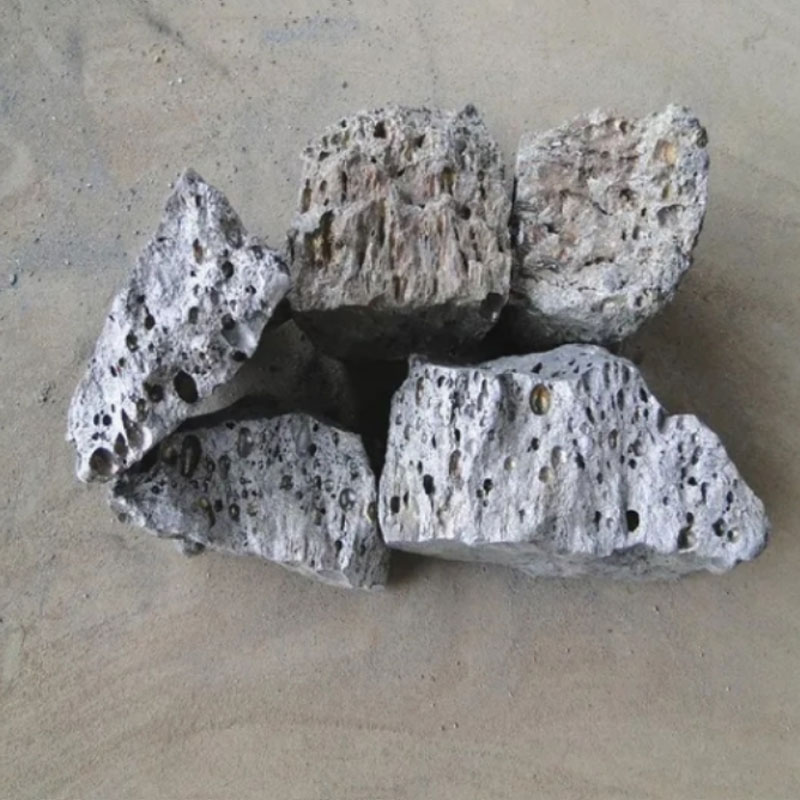
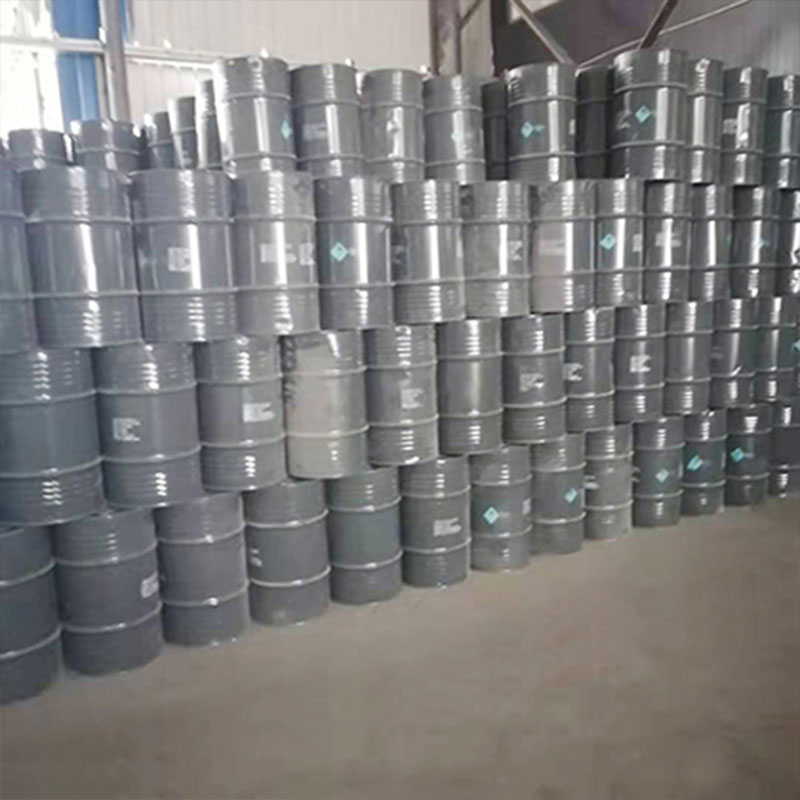
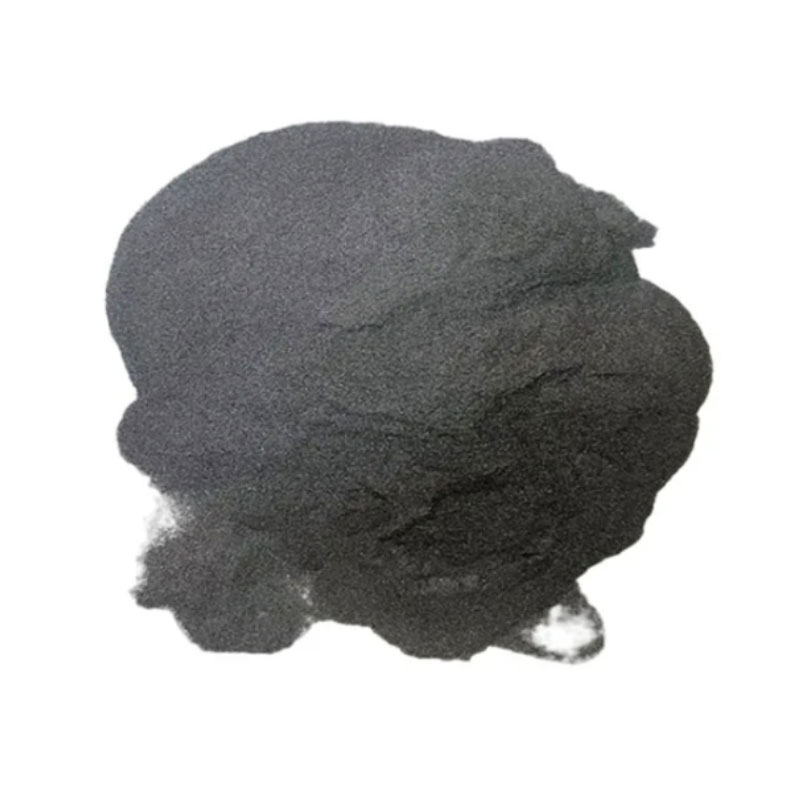
Feeding calcium silicon 60 30 requires no retrofit. It works in standard cored wire systems (Ø13–15 mm), submerged lance injectors, and even powder injection setups—if particle size distribution stays within 0.5–3.0 mm. We supply it in three physical forms: crushed granules (for ladle addition), pre-alloyed cored wire (with Fe or SiMn sheathing), and precision-packed 25 kg vacuum-sealed bags for cleanroom environments.
Key installation notes: store below 35°C and away from moisture. Exposure to humid air for >48 hours increases surface oxidation—visible as gray dust on granules. That oxide layer slows dissolution and reduces effective Ca delivery. We include desiccant packs and humidity indicators in every export shipment. For continuous casting lines running >150 tons/hour, we recommend feeding 30–60 seconds before final argon stirring—not during—to maximize residence time in the metal bulk.
Real-world feedback confirms reliability. A Tier-1 auto supplier in Chongqing ran 47 consecutive heats using our calcium silicon 60 30. Average inclusion count per mm² dropped from 8.2 to 2.7 (ASTM E45 Method A). Yield increased 3.1%—not from fewer rejects, but from fewer re-rolls due to surface defects.
Choosing the Right Supplier Means Asking the Right Questions
Ask your supplier: Do you mill and blend in-house—or just repack third-party material? Can you provide batch-specific OES and Leco data? What’s your average Ca recovery variance across 100-ton heats? Inner Mongolia Xinxin Silicon Industry Co., Ltd. answers yes to all three. We operate dedicated CaSi production lines with closed-loop temperature control, real-time melt analysis, and automated sieving calibrated to ±0.1 mm tolerance.
Our calcium silicon 60 30 supports ferroalloy strategies—not just for deoxidation, but for targeted inclusion engineering. It pairs predictably with Mg-treated ladles for improved nodularity in ductile iron, and with Ti additions for stabilized microalloyed HSLA grades. Visit xinxinsilicon.com to download our technical bulletin “CaSi 60 30 in Ladle Metallurgy: Dosage Charts, Inclusion Maps, and Failure Mode Analysis”—built from 217 production records across 14 steelworks.
Calcium silicon 60 30 isn’t a commodity. It’s a calibrated tool. Use it right, and you’ll see cleaner slags, tighter mechanical property bands, and fewer surprises at the finishing mill.