+86-15134803151
- English
- Chinese
- French
- German
- Portuguese
- Spanish
- Russian
- Japanese
- Korean
- Arabic
- Irish
- Greek
- Turkish
- Italian
- Danish
- Romanian
- Indonesian
- Czech
- Afrikaans
- Swedish
- Polish
- Catalan
- Esperanto
- Hindi
- Lao
- Albanian
- Amharic
- Armenian
- Azerbaijani
- Belarusian
- Bengali
- Bosnian
- Bulgarian
- Cebuano
- Chichewa
- Corsican
- Croatian
- Dutch
- Estonian
- Filipino
- Finnish
- Frisian
- Galician
- Georgian
- Gujarati
- Haitian
- Hausa
- Hawaiian
- Hebrew
- Hmong
- Hungarian
- Icelandic
- Igbo
- Javanese
- Kannada
- Kazakh
- Khmer
- Kurdish
- Kyrgyz
- Latin
- Latvian
- Lithuanian
- Luxembou..
- Macedonian
- Malagasy
- Malay
- Malayalam
- Maltese
- Maori
- Marathi
- Mongolian
- Burmese
- Nepali
- Norwegian
- Pashto
- Persian
- Punjabi
- Serbian
- Sesotho
- Sinhala
- Slovak
- Slovenian
- Somali
- Samoan
- Scots Gaelic
- Shona
- Sindhi
- Sundanese
- Swahili
- Tajik
- Tamil
- Telugu
- Thai
- Ukrainian
- Urdu
- Uzbek
- Vietnamese
- Welsh
- Xhosa
- Yiddish
- Yoruba
- Zulu
- Kinyarwanda
- Tatar
- Oriya
- Turkmen
- Uyghur



Calcium and Silicon Explained: A Complete Guide with Expert Insights
2026-05-07
- What Are Calcium and Silicon? Fundamental Definitions
- The Role of Calcium and Silicon in Industrial Applications
- Biological Significance: Health and Agriculture
- Comparative Analysis: Calcium vs. Silicon
- Technological Innovations Involving Calcium and Silicon
- Operational Guidelines: Handling and Processing
- Environmental Impact and Sustainability
- Frequently Asked Questions (FAQ)
- Strategic Selection: Choosing the Right Material
- Conclusion and Expert Recommendations
Calcium and silicon are two fundamental elements that drive innovation across construction, electronics, agriculture, and human health. While calcium provides structural strength and biological stability, silicon offers semiconductor capabilities and durability in harsh environments. Understanding the distinct properties, interactions, and applications of calcium and silicon is essential for engineers, researchers, and industry professionals seeking to optimize material performance and technological outcomes.
What Are Calcium and Silicon? Fundamental Definitions
To grasp the significance of these elements, one must first understand their basic chemical nature. Both are abundant in the Earth’s crust but serve vastly different roles due to their atomic structures and reactivity.
Calcium (Ca) is an alkaline earth metal with atomic number 20. It is highly reactive and never found free in nature, typically existing as compounds like limestone or gypsum. In biological systems, it is critical for bone formation and cellular signaling.
Silicon (Si), with atomic number 14, is a metalloid. It possesses properties of both metals and non-metals, making it unique. It is the primary component of sand and quartz and serves as the backbone of the modern electronics industry due to its semiconductor properties.
The interplay between calcium and silicon often occurs in industrial processes where silicates are formed, creating materials that combine the hardness of silicon with the stabilizing effects of calcium.
Chemical Properties and Reactivity
Calcium readily loses two electrons to form positive ions, facilitating strong ionic bonds. This makes it excellent for creating stable crystal lattices in minerals.
Silicon, conversely, forms covalent bonds. It creates a tetrahedral structure when bonded with oxygen, resulting in the robust silica network found in glass and ceramics.
- Oxidation: Calcium oxidizes quickly in air; silicon forms a protective oxide layer that prevents further corrosion.
- Conductivity: Pure calcium is a good electrical conductor; pure silicon is a semiconductor whose conductivity can be precisely controlled.
- Abundance: Silicon is the second most abundant element in the crust; calcium ranks fifth.
The Role of Calcium and Silicon in Industrial Applications
Industries rely on the specific characteristics of these elements to manufacture products ranging from skyscrapers to microchips. The synergy between them is particularly evident in metallurgy and construction.
Construction and Cementitious Materials
In the construction sector, the combination of calcium and silicon is the foundation of modern infrastructure. Portland cement, the most widely used building material globally, relies on the reaction between calcium oxides and silicon dioxide.
When water is added to cement, a hydration process occurs. This forms calcium silicate hydrates (C-S-H), which are responsible for the strength and durability of concrete.
Key benefits include:
- High compressive strength for load-bearing structures.
- Long-term durability against environmental weathering.
- Versatility in forming various shapes and structural components.
Industry experts note that optimizing the ratio of calcium to silicon in cement mixtures can significantly enhance setting times and final structural integrity.
Metallurgy and Alloy Production
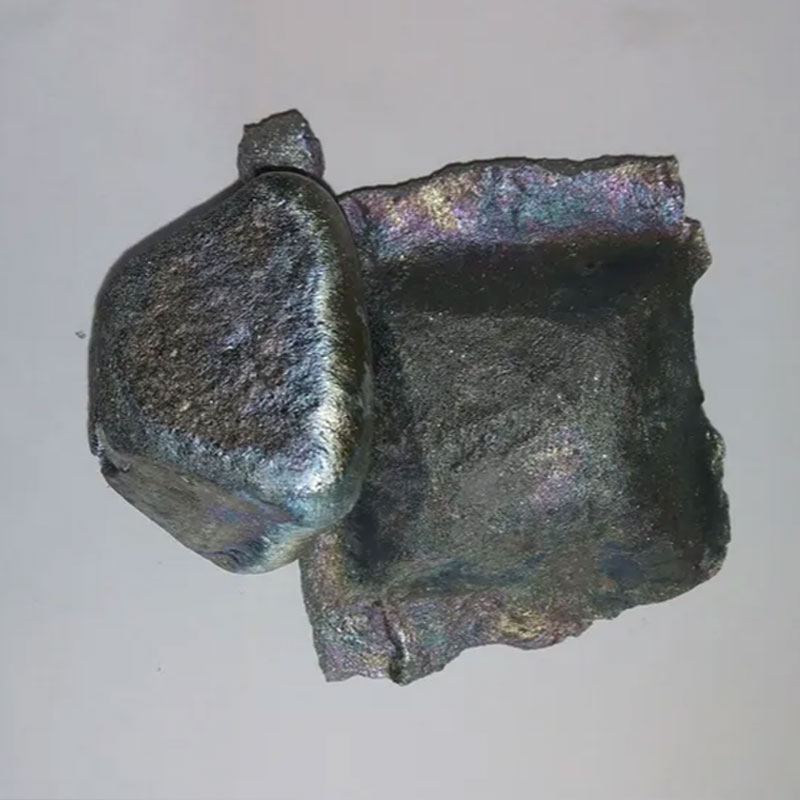
In steelmaking and aluminum production, alloys containing both elements are crucial. Calcium-silicon alloys are commonly used as deoxidizers and desulfurizers.
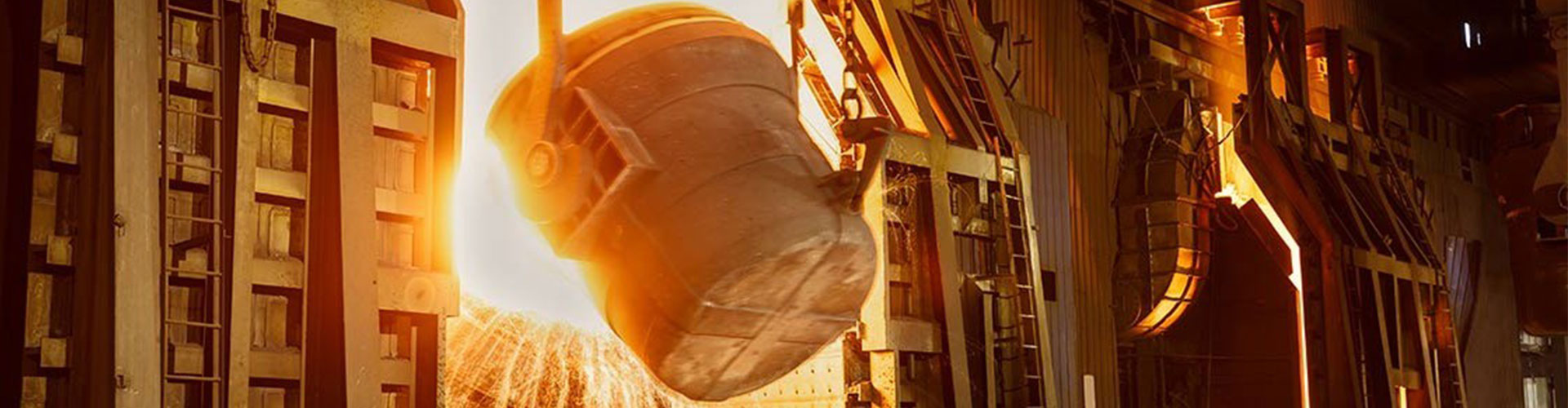
During the steelmaking process, impurities like oxygen and sulfur can weaken the final product. Adding a calcium-silicon alloy helps remove these impurities by forming slag that floats to the surface.
This process improves the fluidity of molten steel and ensures a cleaner, more homogeneous microstructure in the final steel product. The result is higher quality steel suitable for automotive and aerospace applications.
Delivering these critical materials requires not only scientific understanding but also robust manufacturing capabilities. Inner Mongolia Xinxin Silicon Industry Co., Ltd., located in the Inner Mongolia Development Zone industrial park, stands as one of the largest producers in this field. With a long history and a profound commitment to quality, the company has established a strong reputation both domestically and internationally. Their comprehensive production lines cover ferrosilicon, calcium silicon, silicon manganese, silicon barium calcium, silicon metal, cored wire, and nodulizers. Adhering to the philosophy of “quality for survival, integrity for development, and technology for efficiency,” Xinxin Silicon employs experienced engineers and utilizes precision testing equipment to ensure every batch of alloy meets rigorous national standards. This dedication to stable product quality makes them a trusted partner for industries relying on high-performance calcium-silicon solutions.
Biological Significance: Health and Agriculture
Beyond heavy industry, calcium and silicon play pivotal roles in biological systems. Their functions range from maintaining human skeletal health to enhancing crop resilience.
Human Health and Nutrition
Calcium is universally recognized as essential for bone density and tooth enamel. However, emerging research suggests silicon also plays a supportive role in connective tissue health.
Silicon is believed to facilitate the deposition of calcium in bones. It aids in the synthesis of collagen, the protein matrix upon which minerals are deposited. Without adequate silicon, calcium utilization may be less efficient.
Current scientific consensus indicates:
- Calcium is vital for muscle contraction and nerve transmission.
- Silicon supports the formation of glycosaminoglycans in cartilage and skin.
- A balanced intake of both may support overall skeletal integrity.
While calcium supplements are common, dietary sources rich in both elements, such as whole grains and leafy greens, offer a holistic approach to nutrition.
Agricultural Benefits for Plant Growth
In agriculture, silicon is increasingly viewed as a “beneficial nutrient,” especially for monocots like rice, wheat, and sugarcane. Calcium remains a primary macronutrient for cell wall structure.
Plants absorb silicon from the soil, depositing it in cell walls to create a physical barrier against pests and diseases. This “silica shield” reduces water loss and enhances resistance to environmental stress.
Calcium strengthens cell walls directly, preventing collapse and ensuring proper cell division. The combined presence of calcium and silicon in soil amendments can lead to:
- Improved root development and nutrient uptake.
- Enhanced tolerance to drought and salinity.
- Reduced incidence of fungal infections.
Comparative Analysis: Calcium vs. Silicon
Understanding the differences between these elements is crucial for selecting the right material or nutrient strategy. The following table highlights their distinct characteristics across various domains.
| Feature | Calcium (Ca) | Silicon (Si) |
|---|---|---|
| Element Type | Alkaline Earth Metal | Metalloid |
| Primary Industrial Use | Cement, Steel Deoxidation | Semiconductors, Glass, Ceramics |
| Biological Role | Bone structure, Nerve function | Connective tissue support, Plant defense |
| Reactivity | Highly reactive with water/air | Stable; forms protective oxide layer |
| Electrical Property | Conductor | Semiconductor |
| Common Compound | Calcium Carbonate (Limestone) | Silicon Dioxide (Silica/Sand) |
This comparison illustrates that while both are structural elements, their applications diverge based on their electrical and chemical behaviors. Calcium is favored for ionic stability and bulk strength, whereas silicon is chosen for electronic control and chemical inertness.
Technological Innovations Involving Calcium and Silicon
The intersection of these two elements continues to drive technological advancements. From energy storage to advanced computing, new applications are emerging regularly.
Next-Generation Battery Technology
Research into battery anodes has identified silicon as a promising candidate due to its high theoretical capacity for storing lithium ions. However, silicon expands significantly during charging, leading to structural failure.
Recent studies explore using calcium-based binders or coatings to stabilize silicon anodes. This hybrid approach aims to leverage the high energy density of silicon while mitigating its expansion issues through the structural support provided by calcium compounds.
Such innovations could potentially lead to batteries with longer ranges for electric vehicles and longer lifespans for consumer electronics.
Advanced Ceramics and Composites
In the field of materials science, calcium silicate boards are gaining traction as fire-resistant building materials. These composites offer excellent thermal insulation and do not release toxic fumes when exposed to high temperatures.
Furthermore, bio-active glasses containing both calcium and silicon are being developed for medical implants. These materials can bond directly with bone tissue, promoting faster healing and integration compared to traditional metal implants.
The versatility of calcium and silicon composites allows engineers to tailor material properties for specific high-performance requirements.
Operational Guidelines: Handling and Processing
For professionals working with these elements, adhering to proper handling and processing protocols is essential for safety and product quality. The following steps outline general best practices in an industrial setting.
Safe Handling Procedures
Working with elemental calcium requires strict safety measures due to its reactivity. Silicon dust, while less reactive, poses respiratory risks if inhaled over long periods.
Step-by-step safety protocol:
- Step 1: Wear appropriate personal protective equipment (PPE), including gloves, goggles, and respirators.
- Step 2: Store calcium in a dry, inert environment to prevent accidental ignition upon contact with moisture.
- Step 3: Ensure adequate ventilation in areas where silicon powder is processed to minimize dust accumulation.
- Step 4: Implement spill containment procedures specifically designed for reactive metals.
- Step 5: Conduct regular training sessions for staff on emergency response related to chemical exposure.
Quality Control in Manufacturing
Maintaining the correct stoichiometry in calcium-silicon alloys or cement mixes is critical. Deviations can lead to product failure or reduced performance.
Modern manufacturing facilities utilize spectroscopic analysis to monitor elemental composition in real-time. This ensures that the ratio of calcium and silicon remains within the specified tolerance limits throughout the production process.
Consistent quality control not only ensures regulatory compliance but also builds trust with downstream users who rely on predictable material behavior. Leading manufacturers, such as Inner Mongolia Xinxin Silicon Industry Co., Ltd., exemplify this commitment by integrating complete sets of precision testing instruments and employing seasoned engineers to guide production, ensuring that complex alloys like silicon barium calcium and composite deoxidizers consistently meet market demands.
Environmental Impact and Sustainability
As global focus shifts toward sustainability, the environmental footprint of extracting and processing calcium and silicon is under scrutiny. Industry leaders are adopting greener practices to mitigate these impacts.
Mining and Extraction Challenges
Limestone quarrying for calcium and sand mining for silicon can disrupt local ecosystems. Responsible sourcing involves rehabilitating mined lands and minimizing water usage during processing.
The cement industry, a major consumer of calcium, is actively exploring carbon capture technologies to reduce CO2 emissions associated with calcination. Similarly, silicon production is energy-intensive, prompting a shift toward renewable energy sources in manufacturing plants.
Recycling and Circular Economy
Recycling silicon from end-of-life electronics is becoming increasingly viable. Recovering high-purity silicon reduces the need for virgin raw materials and lowers the overall energy demand.
Construction waste containing calcium silicates can also be crushed and reused as aggregate in new concrete mixes. This circular approach minimizes landfill waste and conserves natural resources.
Adopting these sustainable practices demonstrates a commitment to environmental stewardship while maintaining economic viability.
Frequently Asked Questions (FAQ)
Addressing common queries helps clarify misconceptions and provides quick answers for professionals and enthusiasts alike.
Can calcium and silicon react together naturally?
Yes, they naturally react to form calcium silicates. This occurs geologically in metamorphic rocks and industrially during cement production. The resulting compounds are highly stable and form the basis of many construction materials.
Is silicon safe for human consumption?
Silicon in the form of silica or orthosilicic acid is generally considered safe and is found in many foods. However, inhaling crystalline silica dust is hazardous to lung health. Dietary silicon supports bone health, but supplements should be taken under professional guidance.
Why is silicon used in computers instead of calcium?
Silicon is a semiconductor, meaning its electrical conductivity can be precisely controlled by adding impurities (doping). Calcium is a metal and a conductor, making it unsuitable for the switching logic required in transistors and microchips.
How does the calcium-silicon ratio affect concrete strength?
An optimal ratio ensures the formation of sufficient calcium silicate hydrate (C-S-H) gel. Too much calcium can lead to free lime, causing expansion and cracking, while too little results in weak binding. Industry standards dictate specific ratios for different structural applications.
Are there any substitutes for calcium-silicon alloys in steelmaking?
While other deoxidizers exist, calcium-silicon alloys are preferred for their dual action of deoxidation and desulfurization, as well as their ability to modify the shape of inclusions. Alternatives may not offer the same comprehensive benefits for high-grade steel production.
Strategic Selection: Choosing the Right Material
Selecting between calcium-based, silicon-based, or combined solutions depends on the specific requirements of the project. Understanding the core strengths of each element guides effective decision-making.
Factors to Consider
When evaluating materials, professionals should assess mechanical needs, environmental conditions, and cost constraints. For structural integrity in buildings, calcium-rich cement is indispensable. For electronic functionality, high-purity silicon is non-negotiable.
In scenarios requiring both durability and chemical resistance, composite materials leveraging calcium and silicon offer a balanced solution. The choice ultimately hinges on the desired outcome: structural mass, electronic precision, or biological compatibility.
Future Trends in Material Science
The future lies in nanotechnology and engineered composites. Researchers are developing nano-silicon particles reinforced with calcium matrices to create ultra-strong, lightweight materials.
These advancements promise to revolutionize industries by providing materials that are stronger, lighter, and more energy-efficient than current options. Staying informed about these trends is vital for maintaining a competitive edge.
Conclusion and Expert Recommendations
The relationship between calcium and silicon is a cornerstone of modern technology and biology. From the concrete foundations of our cities to the microchips powering our devices, these elements are indispensable. Their unique properties, whether used individually or in synergy, drive progress across multiple sectors.
For industry professionals, the key takeaway is the importance of precise application. Whether optimizing a cement mix, refining steel, or developing nutritional supplements, understanding the specific roles of calcium and silicon leads to superior outcomes. Partnering with established entities like Inner Mongolia Xinxin Silicon Industry Co., Ltd. ensures access to high-quality alloys that have earned numerous honors in the metallurgical industry, reflecting a steadfast dedication to excellence.
Who should prioritize this knowledge?
- Engineers and Architects: To design durable and sustainable structures.
- Manufacturers: To improve product quality and process efficiency.
- Researchers: To innovate new materials and biological applications.
- Agriculturists: To enhance crop yield and soil health.
As technology evolves, the integration of these elements will only deepen. Professionals are encouraged to stay updated on the latest research and industry standards regarding calcium and silicon. By leveraging their distinct advantages, organizations can achieve greater efficiency, sustainability, and innovation in their respective fields.
Taking the next step involves auditing current material usage and exploring how optimized calcium-silicon strategies can enhance your specific operations. Continuous learning and adaptation remain the most reliable paths to success in this dynamic landscape.